Information & Resources

Find information and resources to help manage your pain.

Get Help & Support

Find the tools you need to
help you manage your pain.

Get Involved

Help make a real difference to people
in the UK living with chronic pain.

About Us

Find out about Pain Concern and how
we can help you.

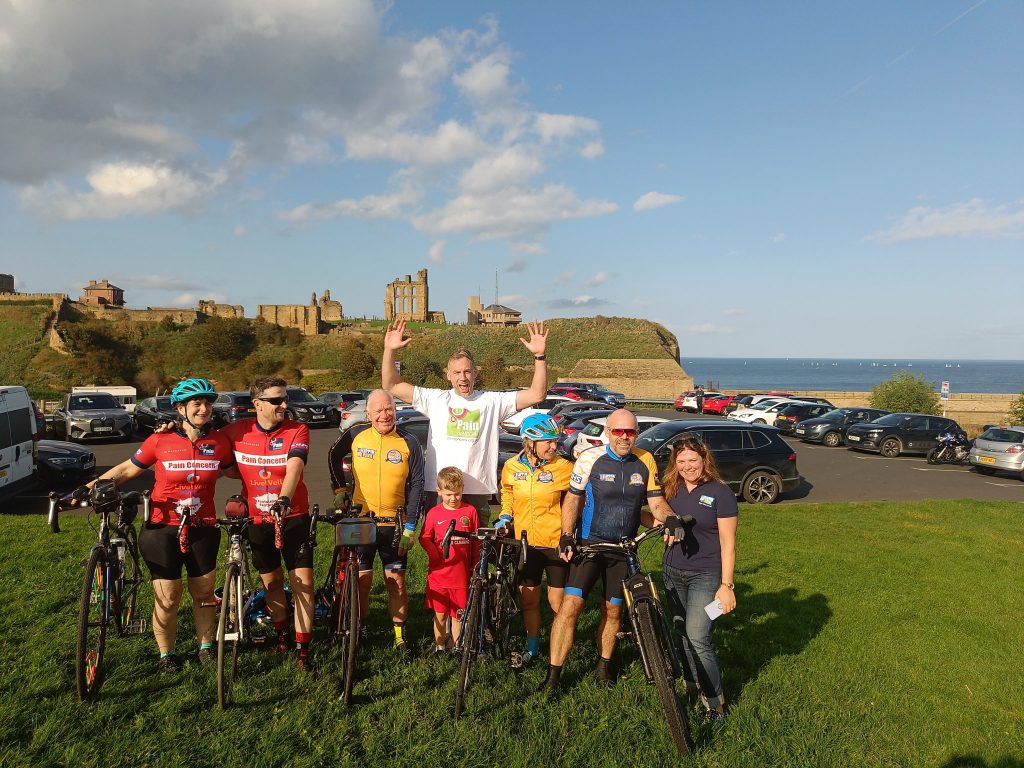
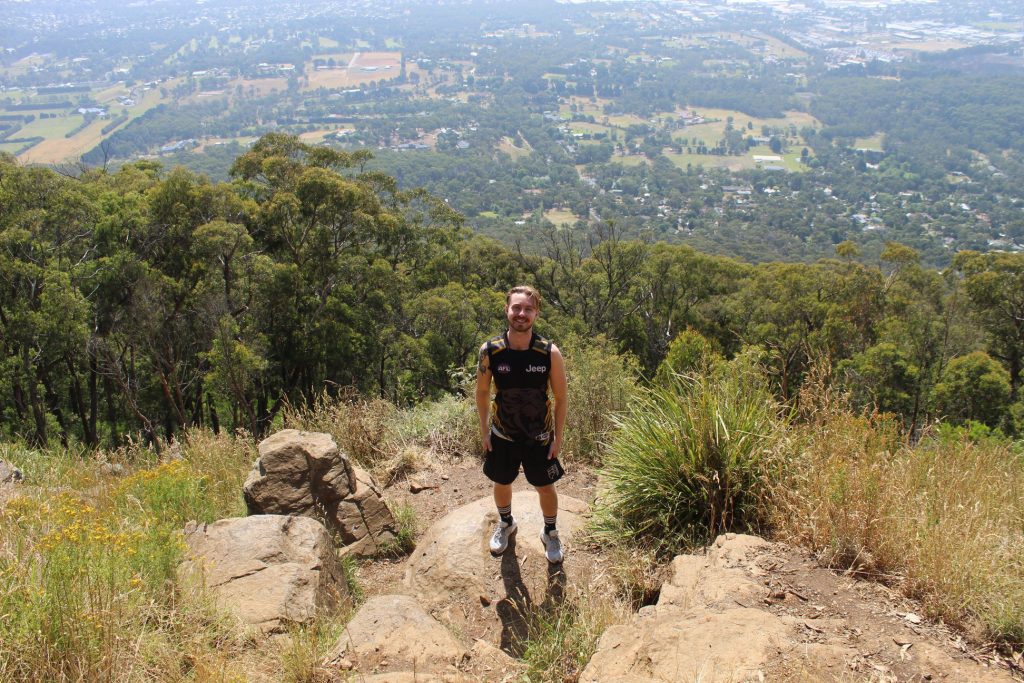
On October 15 Cameron Mckechnie completed the Amsterdam Marathon in aid of Pain Concern – we caught up with him to find out about his endeavour before the run.

1. What inspired you to participate in this fundraising marathon (and have you done anything like this before?)?

I was inspired to do this marathon as over the course of the last few years my back has gotten better through time and my prevention efforts which have allowed me to return to the gym, football and running on concrete, which I thought a few years back would be improbable.

I havent done anything like a marathon before , I haven’t even done a half marathon believe it or not ! Looking at a time of 4hrs based on my training !

2. Why did you choose to raise money for Pain Concern?

I chose Pain Concern as a charity due to the amount of people I know who have chronic pain issues. From my point of view its overlooked a lot in social society – it can affect work and relationships due to difficulty concentrating and I believe a charity that is understanding of all the issues that can stem from pain is a worthy cause.

3. How have you been preparing for the marathon?

So I started 6 weeks out from the marathon and I run the same route every Tuesday and Saturday. Due to working away I do 10 miles in Derby running round pride park and back to my hotel.

On Saturdays, I have been running 5, 10 , 14 and 18 miles with 20 miles planned this weekend before I do one final 20 mile run the following Saturday in preparation for the final race.

4. What challenges have you faced during your training and how have you overcome them?

Challenges mostly stem from time and my own chronic pain. To combat my injury, I need to do a lot of stretching + foam rolling to relax my back muscles. So, adding in pre and post foam rolling with the marathon training itself can be very time consuming. Overcoming these issues just comes down to proper planning. Making sure I complete my tasks through the week to allow me to get these long, heavy runs on the Saturday without causing any extra stress !

5. How can people support your fundraising efforts?

People can support the incredible charity I am running for by donating to my JustGiving page   and sharing your kind messages.

6. What would it mean to you to reach your fundraising goal?

I would be incredibly grateful to anyone who is willing to donate to my cause. I am really motivated to get Pain Concern more recognised around the UK because I believe the work they do is important to giving hope to people who live with pain on a regular basis.

7. Do you have any advice for others who might be considering participating in a fundraising marathon?

My advice would be to embrace. Don’t fear the running, you actually come to enjoy the bliss !

Peer Support. Join the community

“Having chronic pain is very lonely.”

Join the community

Subscribe to Pain Matters

Everything you need to know about how to live with chronic pain

Subscribe


In pain? Don’t understand what’s happening?

“Having someone to help you prepare for your life through pain”

Our Pain Education Sessions

Fundraise for Pain Concern

Help us to help others

Fundraise


NICE is the National Institute of Clinical Excellence. The Institute are developing a patient decision aid (PDA) about chronic primary pain and Pain Concern has been asked to help check that it is useful and useable.

PDAs help people take part in decision making about their care. They provide information on the options, but they do not recommend one option over another. Instead, they help people think about what matters most to them.

NICE are inviting the following people to help shape it:

  • people with personal experience of facing decisions about their chronic primary pain, or who are supporting or have supported a friend or relative facing those decisions.
  • healthcare professionals who talk to people with chronic primary pain about their options.

NICE will send out the draft patient decision aid and survey link on 12 September 2023 and would need responses by close of play 3 October 2023.

Please note that the opportunity to sign up and review to offer feedback is now closed, with those already signed up having until 3 October 2023 to respond.

When the patient decision aid is finalised it will be available from NICE.

Peer Support. Join the community

“Having chronic pain is very lonely.”

Join the community

Subscribe to Pain Matters

Everything you need to know about how to live with chronic pain

Subscribe


In pain? Don’t understand what’s happening?

“Having someone to help you prepare for your life through pain”

Our Pain Education Sessions

Fundraise for Pain Concern

Help us to help others

Fundraise


First Broadcast 30 August 2023

Miriam Brand-Spencer: This is Airing Pain, a programme brought to you by Pain Concern, the UK charity providing information and support for those living with pain, their families and supporters and the health professionals who care for them. I’m Miriam Brand-Spencer.  And those of you who listen regularly may have noticed that I am not producer Paul Evans, who is having a well-earned break.  I’ve worked behind the scenes on Airing Pain for just over a year now, and hope you enjoy this edition, which explores the complex relationships between dance, self-compassion and pain.   

Sarah Hopfinger: Welcome. Take however long you need to settle in to where you are. Throughout this experience feel free to do what is most comfortable for you. You can sit, stand, lie down, stretch, lean, move around. You can snack, drink, make noise, look away, close your eyes.  If the content of this performance becomes too much, or for any other reason, you can leave and come back.   

You do not need to be a polite audience member. You are invited to do what is most caring for your body and mind. This space shakes its head at pressure and judgement.  It wants another way.  It’s a space to rest into your body, to acknowledge yourself, however you are, and to settle in to the richness of listening to pain.  

Brand-Spencer: Sarah Hopfinger performing in ‘Pain and I’ during the Edinburgh Festival Fringe in 2022.  

This edition of Airing Pain explores a complicated relationship between pain, performance and self-compassion. Can the world of dance offer any ideas and techniques for people in pain? And do performers with pain bring something different to an audience? Here’s Paul back in 2022 at the British Pain Society Annual Scientific meeting where he spoke to Victoria Abbott-Fleming, Chair of the Patient Voice Committee at the British Pain Society and the Founder and Chair of the CRPS – that’s Complex Regional Pain Syndrome – charity – Burning Night CRPS Support.  

Abbott-Fleming: We support patients and families affected by complex regional pain syndrome. I’ve had it now for 18 years after a fall downstairs.  

Paul Evans: Tell me how it affects you.  

Abbott-Fleming: I’ve got a lot of severe debilitating pain all the time. I’ve sadly lost both my legs to CRPS because of severe ulceration and skin breakdown. I’ve got a lot of hypersensitivity, so I’ve got to be careful of what clothes I wear and how I, you know, move around and then colour changes, like I get a lot of those and temperature changes. They’re the main things that affect me.  

Evans: With all that, obviously, you have management techniques. How do you manage it?  

Abbott-Fleming:I use a lot of desensitisation/distraction techniques, so I do a lot of adult colouring and I’ve started to learn to crochet. It’s not very good, but I’m learning [laughs]. It’s just things to keep my mind active and away from thinking about pain all the time. So, I do pacing a lot – well I ‘try’ – I’ll put that in inverted commas.  Yeah, we teach it, but it’s actually doing it in person. And sometimes I don’t all the time.  

Evans: But I can tell you, as somebody who has a chronic pain condition myself, pacing is such an easy concept and it is so difficult to do.  

Abbott-Fleming: It is so true. It really is. You know, the theory behind it is sound, you know what to do and how to do it. But in practice, there are days that I think I really should do a little bit less work – and it is difficult in practice.  

Evans: Just explain what pacing is.  

Abbott-Fleming: So pacing is trying to do activities and so you don’t do a boom and bust – not all on one day – try to spread them out over several days if necessary. So, if I’m, doing a cooking, I might do a batch of cooking when it’s a good day. So, I know I’ve got something in the freezer for when it’s not so good, but it’s trying to get a steady pace of activity where you’re not doing all at once or nothing at all because it’s just as bad as doing nothing at all.  

Evans: The difficult part of pacing is that, for many of us, we have more bad days than we have good days. So, when you have a good day, you think that the sun is on your back.  You don’t think I’m better, you think this is good, this is what I want to be.  

Abbott-Fleming: Yes. And you also say, I can do it and I’m going to do it. And that’s the problem because you know that you’re going to do it. And most people do whatever their activity is. But thinking strategically a little bit more and maybe setting it out, even if you write it out on a piece of paper, split the activity up, do something, you know, to change it up, and then you may be able to carry on tomorrow.  

Evans: We both smiled when the word ‘pacing’ came up because we know how difficult it is. What strategies or techniques do you use to try and do the pacing?  

Abbott-Fleming: At first I did use a piece of paper and a grid and I put the activity that I wanted to achieve in that week. I thought at the beginning I could do all of that but then I realised as time went on, that’s too many things all at once. So, then I dropped it down to a lot less but then I added more rest breaks in to try and get through the day and what I did on those good days.  I’d know I’d say to myself, ‘Oh, I’ve got to do those three things today’. And then I try and step back and think, ‘No, hang on a minute, I can’t do that because I want to be able to go out tomorrow’. So, I do try to just do that one activity. It is very difficult.  

Evans: So, you’re actually planning, you’re looking ahead to what is coming up in the week or the month or whatever – you’re looking ahead and, in order to be able to do those things later in the week, I have to act like this now. Slow down now.  

Abbott-Fleming: Yes. And I know sometimes I think, ‘oh, no, I’ll do it now’, because Thursday/Friday might not happen. I might be too tired. But then I think, well, if that’s what my body needs, I need to rest. But it is remembering that you don’t have to get everything done in that one day. There will be other days.  

Brand-Spencer: Victoria Abbott Fleming of Burning Night CRPS Support.  

Pacing can be tricky for many people living with pain. But what if your job involves physical movement on predetermined days? How does pacing look for people who perform for a living? We spoke to Emma Meehan, a researcher from the Centre of Dance Research at Coventry University. The recording isn’t the clearest. But Emma had some fascinating revelations as to how dancers approach being in pain.  

Emma Meehan: It depends on what part of the dance industry you’re in. But often there is this idea that you should be able to push through pain. And so people then mask pain that they have or they don’t treat it seriously – an injury, for example – sometimes it’s good to keep moving, but sometimes, you need to do other things and take care of your body.  Probably there’s some learning that the dance science, for example, is looking at – dancers as athletes and doing just the same things as elite athletes would do with pacing their body.  The attitudes were more like, the show must go on type of thing [laughs]. The industry should really accommodate all these kinds of artists out there who have developed chronic pain.   People I interviewed, their performances are very caring of their bodies. One artist is called Raquel Meseguer, and she creates these horizontal performances – if you need to lie down, you can, and audiences with chronic illness can take part then as well.  

But then many of the dance artists I interviewed also felt their performances were about chronic pain and it’s really important for them to have that on stage. But they knew they would still feel pain afterwards, they might have a flare up, for example, but for them it still felt worth it. Something I read from another author as well about this idea that, you know, as long as you’re choosing the pacing, it’s not like you’re a bad person if you don’t pace right.  You sometimes say right – for me – it’s worth it to do this and know I’ll have pain afterwards. So, it’s kind of a funny place to be in that sometimes if you’re making the choice of doing something – well you’ll have to spend a week not doing what you could do if you paced yourself.  

Brand-Spencer: Emma Meehan, speaking at the British Pain Society Annual Scientific Meeting 2023.  

In 2022, we spoke to Tali Foxworthy-Bowers, a choreographer and movement director who took her physical theatre piece Monoslogue to the Edinburgh Festival Fringe.  Monoslogue was about her experience of chronic back pain. So how do performers balance their workload with their health concerns?  

Foxworthy-Bowers: Because I grew up in Edinburgh, I’ve been very lucky in that I’ve been able to stay with my grandparents at their house while I’ve been here. So that’s been a real relief because it means that I can go to what feels like quite a safe space every evening and take time out when I need to and kind of decompress. So that’s something that I’m very lucky that I have for the Edinburgh Festival because I think if I was in a share house or it was in a rental, it wouldn’t be the same. I’d really struggle, I think, to kind of feel like I’m able to completely switch off and decompress.  

Today was the first show that I did completely by myself, as in setting it up and kind of in charge of everything. And I was quite anxious about it just because everything relies on me and I worry that I can’t give the performance and the piece itself as much attention. But pre-show rituals are quite a big thing for me. I’m definitely not one that can listen to Lady Gaga beforehand and, you know, run and jump around but I’m ….  

Brand-Spencer: You’re not really getting psyched up.  

Foxworthy-Bowers: …not really getting psyched up at all. I do my physio exercises.  One in particular, you know, encompasses the kind of mindful, calming everything down as well and just being, really, on my own and kind of bringing everything back down to earth because it’s so easy to worry about stuff and especially worry that because of the conditions, like you say, of just coming and going so quickly, having such a short get in and get out of the theatre, you know, I can’t cool my body down very well, you know, muscles seizing up afterwards, carrying a heavy bag round with all my equipment in it every day –  it’s really easy to worry about things happening to your body like getting another neck spasm and all this kind of stuff. So, I’m quite lucky that my spot is in the morning. Well, lucky in some aspects [laughs] – it’s difficult to get audience members in, but it means that I can have the rest of the day to decompress if I need to. I think if it was an evening slot it would be a different story because I’d be apprehensive about the evening and building up to that and not much time to come back down. 

Brand-Spencer: Do you have to consider your body and how you might have to adapt things depending on how you feel? 

Foxworthy-Bowers: Yeah, so I talk about getting a neck spasm in the piece and being bedbound for ten days. That actually happened on the first day that I was supposed to create the movement. So, I had, three weeks rehearsal time to create a movement for the piece before my first performance of it. So that obviously took ten days out and the recovery after that added on a few days after that as well. I always have to make considerations and make things slightly smaller in terms of expansiveness and positions and flexibility and things like that. I always have to make them slightly smaller than I would ideally like, but I’m so, so happy with the fact that I can even do this, move with ease and relative pain-free movements. So, I need to keep up the physio body conditioning element of it and, especially, with quick get ins and get outs.  

So, I’ve been spending quite a lot of time in the kind of evenings and mornings really just giving my body a bit of extra TLC. I think it’s also knowing that my body is going to take care of itself. I can very easily get into a bit of an anxious spiral about my neck spasming again, especially because when it did so before I was tying my hair up, after I had taught a pilates class so it was completely out of the blue, I had no idea. So, the idea of that maybe happening again does sometimes catch up on me.  Also just knowing that this whole piece, that Monoslogue for me, is like a sense of relief and does me a lot of good, as well as pushing my body kind of closer to its limits [laughs]. I think it was my Granny, who I was staying with, also said, you know, if you do need to take a seat it’s quite fitting in the piece so …  

Brand-Spencer: You’ve a chair on the stage .. 

Foxworthy-Bowers: Yeah, exactly. So don’t worry about it too much sort of thing, which is good, although I’m a bit of a perfectionist when it comes to performing so I don’t think I could have allowed myself do that [laughs]  but, you know, I think that if a bit of that was to come out, if I was actually in pain during the performance, then I think it wouldn’t be so much of a worry – like all the audiences that I’ve had have been .. felt really, really nice and supportive. So that makes a big difference I think.  

Brand-Evans: Tali was not the only performer in the Edinburgh Fringe in 2022 who had created a show about back pain. We also spoke to Sarah Hopfinger about the creation Pain and I.  

Here is Sarah discussing pacing in a slightly noisy part of town in the middle of the world’s largest arts festival.  

Hopfinger: I feel like even the idea of pacing has been in my creative process because, well, I guess the intention of going, well, I’m going to work with my body how it is today, and that’s how I’m going to make movement – as well as then actually making the performance, fix things a bit and so I am working with, like, a piece that has a certain choreography and I’m going through that knowing that I can change it if I need to.  

As a performer, obviously there can be adrenaline and so it can feel like in my rehearsals I was maybe a little bit more kind to myself – go with my energy. And I think this probably speaks just of part of the issues of the performance world that there’s a bit of me that thinks, ‘I’m just going to go for it today’ [laughs].  A lot of the movement is very gentle and caring for myself but actually there’s some that’s a bit more vigorous and high energy and feels a bit euphoric and like letting go of my body. But I suppose I’m also doing that because I still can move like that, but not all the time – but I can [laughs]. So, it’s like the complexity of it all is kind of there.  

Brand-Spencer: And I know you talk a lot in your show about acceptance and a companionship with pain but how do you manage it at the moment on a day-to-day basis? Are there any things you do to try and ease it at all?  

Hopfinger: So, I think I’ve spent so much time getting advice about, like, what are the things that are good to do.  So, I’ve, like, had physio and I’ve done, like, acupuncture, I’ve done different, like swimming or this or that. But I suppose the things that I do to manage it are the things that I’ve discovered partly myself. So basically, like a walk [laughs]. This is when I don’t have a flare up – it’s like the day-to-day managing.   

For me it’s been moving my body in quite a simple way, just walking is key. I do pilates –  people told me to do pilates for years and I actually felt really resentful. And then I found a clinical pilates person and yeah, and now I’m quite committed to do my pilates [laughs]. Well, mostly – and I try to do that every day because it’s … even just the movements help, obviously, as well as the, like strengthening of my core, which hopefully means that that’s taking more of the stuff than my back. Yeah, that’s what’s working for me at the moment but I also am aware that it can shift what I need to do.   

People mean really well, but I think that can happen so much where it’s like people want to give advice – sometimes it’s really useful, but actually sometimes I think it’s really hard for people that live with chronic pain because we are all different as well.  And like, yeah [laughs].  

Brand-Spencer: Sarah Hopfinger at the Edinburgh Festival Fringe in 2022.  

We’d like to say thanks to everyone who has filled in our short Airing Pain survey so far. Airing Pain is brought to you free of charge, but it’s not free to make. So, it’s important for us to reflect your opinions and receive your guidance to help shape and secure the future editions of Airing Pain. Please take a few minutes to tell us what we’re doing well and not so well by visiting the link in the show description:  painconcern.org.uk/airing-pain-survey.  

Somatic practices are a mindful style of movement that require the person to focus on the movement and have awareness of their body and the movement within the environment.  That might sound a bit confusing, but you’re probably aware of some types of somatic practices, such as Alexander Technique, the Feldenkrais Method and Body Mind centering.  

Speaking again to Emma Meehan we heard about her research into somatic practices and what they could offer those living with pain.  

Meehan: The thing about arts-based research – it’s very non-linear. So, I wish I could say my finding is ‘X’ but we kind of like found out a lot of different things so I direct you to an article I co-wrote with a collaborator who’s in nursing, Professor Bernie Carter.  We found the various overlaps about the bio-psycho social dimension, this kind of movement is physical, but it also touches on emotion. So, for example, one thing might be about how you inhabit space. Some people might close themselves off when they’re in public space. Some people might take up the middle of the space. So, it’s bound up with how you see yourself. Your identity is linked to how you move.  This kind of exploration would open up possibilities for people.  The other is social dimension – so moving with other people in practice. So how do I interact with another person?  Do I hold myself in a particular way because of my gender, for example.   

We recognise there were some things in the somatic practices that would be useful and then other things that might be a problem. So often we work with touch and we recognised from some of the literature that actually, say for example, with fibromyalgia, there might be challenges around touch being painful.  

Brand-Spencer: You can find audio, video and text-based somatic practices through the links in the show description and on our site. Do let us and Emma know how you get on.  

So, some people find relief by considering how they move. But why do some dancers in chronic pain feel compelled to perform their experiences publicly? The performers that we spoke to emphasised the importance of sharing stories.  Can telling and hearing about the lives of others in pain even be a form of self-compassion?  

Here’s Paul discussing self-compassion with Jenna Gillettt, a PhD student at the Department of Psychology at the University of Warwick.  

Jenna Gillett: Self-compassion is being inwardly kind and understanding towards oneself in the face of pain or failure.  Self-compassion, particularly in the context of chronic pain – because what the research is showing is that if you apply a self-compassion intervention, so this would be perhaps a short one-off session where you get an individual who’s living with pain to undergo a procedure such as a self-compassion writing task or something like that, or it could even be 8 or 12 weeks of training in self-compassion. And what we find is that typically people who undergo these self-compassion interventions will have, as you probably imagine, improved self-compassion levels, but also their pain outcomes as well can be improved.  

Evans: How would I be taught to have compassion on myself?  

Gillett: In short, it’s quite tricky and some people will struggle more than others. Again, is self-compassion a trait or a state? This is another argument in the field. Is it something that you can easily manipulate? Is it something that you can easily induce in people?  

One technique – compassion-focused therapy, that is a whole cohort similar to acceptance and commitment therapy – that, again, is sort of really cropping up now and is becoming more readily available. A lot of people just don’t know that these types of therapies exist, let alone being available widespread.  

But in terms of the types of tasks that could help with self-compassion, there are tasks such as compassionate writing. So, one that’s frequently used is you would ask an individual if you have pain or if you don’t have pain. You ask an individual to write a letter to their best friend. So, you’re writing this letter and you’re saying all of these great things. You know, ‘you’re kind, you’re amazing, you’re funny’. You know, ‘you’re really doing well with life’, blah, blah, blah. And then you ask the individual to read back that letter and you say, okay, now I want you to write or direct the same letter, the same words to yourself. Think about, as though you’re writing that letter, how all those amazing things you’ve just said about your best friend or your mother, your brother, anybody, all of those things you’ve just said. Now direct that energy back toward yourself. Write the same letter to yourself. Because what we find is, typically as human beings, we are heavily self-critical. We like to criticise ourself and we like to think, ‘I could’ve done better in this’. ‘Oh, that was great. I really smashed that presentation, but I could have done X, Y, Z differently and improved better’. And what you find is that, yeah, typically we need to be kinder to ourselves just across the board more generally, which is why it is such a buzz word at the minute. It’s very much this idea with general mental health, but also specifically with people with pain as well. Being kind to yourself is something that’s definitely important.  

Evans: I’m thinking about being in the moment now and what is called ‘catastrophising’.  

Gillett: Yes.  

Evans: I’m with you now. I’m really enjoying your company and I’m finding it absolutely fascinating. But somewhere in my mind is the nightmare journey I had to get from South Wales to Warwick. And what it’s going to be like when I finish talking to you, having to get back. I need to show some sort of self-compassion to get over that, to enjoy this moment.  

Gillett: Yes. Catastrophising is another really interesting part of, particularly for chronic pain, that can shape the experience of someone who lives with pain. Pain catastrophising is a specific type of catastrophising. You know, ‘these thoughts that I had, that that day was really bad’. Or ‘when I went to play with my grandchildren, I really suffered for the next week so I’m going to be a bit more reluctant to do that in the future’. Catastrophising can have a massive effect on peoples’ behaviour, you know, how they feel and what they think about ‘what can I do, what can’t I do’? And that then obviously impacts their lives because, you know, you want to play with your grandchildren on the floor and you want to engage with them, but you’re worried that ‘I’m really going to suffer because of this’. But a lot of the time, you know, we again, human beings, we’re very good at projecting things into the future and looking ahead or looking in the past even. We’re not very good at living right now in this second. So catastrophising is another really important part of what can shape someone’s experiences living with pain.  

Evans: So, it’s not the same as somebody saying to you ‘Oh for goodness sake, stop feeling sorry for yourself.’  

Gillett: No, not at all. Self-compassion is not just a lack of self-criticism or high self-esteem for example, it’s different. It’s more nuanced than that. One general school of thinking in self-compassion is that it comprises of six different things.  

So, you have self-kindness rather than self-criticism. You have mindfulness rather than over-identification. So, this idea that you’re kind of living more in the present – right now what’s happening – rather than going ‘Oh, but I’ve got that big thing next week, and if I’m really rubbish in this thing this week, all that’s going to transpire into next week’. Stop doing that. Be much more present in the moment.  

And then the final component to self-compassion is common humanity versus isolation. So common humanity is this idea that everybody at some point experiences pain. Everybody at some point in their life will experience suffering of some description. Isolation is ‘I’m the only person in the world that’s feeling this, I’m the only person in the world that’s feeling really bad and this awful and this intensely’. And, instead, it’s about self-compassion, involves bringing that back to a bit more of a grounded way of thinking in that everybody experiences pain – ‘I’m not alone in this’.  

Evans: So, for instance, something I’m criticised for at home is that I can remember every time when I’ve made a mistake in my life from .. from my earliest memories through lying about who dropped the plant pot to my parents to this, that .. I can remember all of those and they all affect me. But many of the good points are fleeting – ‘yes but it only lasted a night’.  

Gillett: Yes. Exactly. ‘Oh yes but …’ da da da da  da . But it might even be a trait of people who research self-compassion that they are also like that [laughs]. Because I am, too. I can remember all of the bad things very, very vividly. And in general, as human beings, you know, negative experiences do tend to stick with us more because everything is kind of emotionally charged and we have a natural want to do well in things and to be a good person. So that could be one reason why the negative experiences tend to stick more.  

But yeah, it’s about also remembering, okay, yeah, that that one thing went wrong. Or I got that one bad review, that one bad comment on this piece of work that I did. But what about all these other things that you’ve done throughout your life that have gone really well? And again, the understanding of unconditional positive regard can come into it as well. You know – you’re worthy of love, acceptance and feeling good regardless of how well you perform or if it’s a bad pain day. If it’s a good pain day, it doesn’t matter. You are still deserving of those good experiences as well.  

Brand-Spencer: Jenna Gillett there at the University of Warwick.  

Here is Tali again on how writing the show and performing it helped her and her audience.  

Foxworthy-Bowers: The process of creating Monoslogue has helped me a lot probably mostly just the writing of it all. So, I wrote the script initially and it started off as a lot of journal entries and so that’s really helped me. But I started writing this piece because I was talking to a friend in college who had chronic hip pain and the amount of genuine pain relief that talking to her about our conditions gave me was unparalleled. So that’s why I started writing it, because I was like, if this … if a one-to-one conversation with someone else can help this much with genuine pain relief, then surely this can help so many other people – and me. 

Brand-Spencer: And how have you found that the audience has responded to your piece?  

Foxworthy-Bowers: Overall pretty amazingly. The first performance that I did a bit back in March, I was completely overwhelmed afterwards [laughs] and I wasn’t really, you know, surprised – I knew I was going to have a very physical reaction, not only like my reaction, but my reaction to the reactions if that makes sense.  Yeah, it’s .. it’s been really amazing and it’s just reinforced my thinking of this is why I’m doing it, because, you know, there’s so many people who have had or have chronic pain or illness or conditions that have come up to me and either explained what they have or just said thank you, or had that same kind of revelation that I had of ‘I’m not going crazy having these thoughts’ because it’s just so funny that no matter what you have, just the similar traits and patterns in your thinking are also similar.  

And I think I had one review from the Edinburgh performance where someone said very similarly, you know, that people who haven’t experienced any chronic condition will learn a lot from it and those who have definitely will get relief from it. And that’s just – if you could just tie it up with a ribbon then …then that’s it.  Done – you know … 

Brand-Spencer: Tali Foxworthy Bowers. I asked Sarah Hopfinger how people close to her could support her.  

Hopfinger: I think when I felt, like, really listened to – just somebody knowing that maybe they can’t understand what it is like for me, but being really willing to listen to even like the contradictions of what the experience is even if it is hard for them, they’re not trying to make it better.  And that’s felt such a relief.  I don’t like to overwhelm someone by saying how difficult it can be. So, I think it’s when I felt like really able just to express the sort of complexities of it or just talk about it.  I’ve had so many nice connections with people since I’ve been more open about having chronic pain [laughs] and that’s just been a relief both in my life and my art perspective. It’s like made me feel like the richness of it can come out more often.  

Brand-Spencer: You’ve put in a lot of messaging to the audience to be gentle with themselves.  How important was it to you to put that message in?  

Hopfinger: Like vital really, doing what’s most caring for your body and mind, like people can close their eyes or look away or like change positions or leave and come back. They’re all the things I think that I wish I was always given permission to be able to do, and where it’s really going to be okay if I do it. It’s kind of based on what I would like to feel [laughs]. Yeah. And what does it actually mean to feel welcome.  

Brand-Spencer: Sarah Hopfinger in caring for the audience, but what about the performers? How can friends and partners support them? Here’s Tali Foxworthy-Bowers,  

Foxworthy-Bowers: My partner Hugo, who helped out with lots of the audio and technical elements of it was here Sunday to Tuesday, and he’s a really strong emotional support for me. So, it was really great to have that at the beginning of my run so that I could get all the tears out while he was here [laughs]. 

Brand-Spencer: Tali Foxworthy- Bowers. Of course, it’s not only dancers in pain who require support. Here’s Paul again talking to Victoria Abbott-Fleming.  

Evans: Do you have a partner? Do you have a husband?  

Abbott-Fleming: I do, yes. I have a husband.  

Evans: How does he help or hinder pacing?  

Abbott-Fleming: Well, that’s a tough one because he sometimes does hinder me. But, generally he … he’s more of a person that will say ‘slow down, you’re doing too much’. Like you said, we both smiled when we heard ‘pacing’ and it’s very easy and I do have a plan. I know there is going to be a day that I miss that. And I know I think now I’m going to do it all. I’m going to have to do it all. And then my husband, he’ll say, ‘No, let’s stick with that plan. You’re going to have a rest this morning and let’s see this afternoon.’ Most of the time, 90% of the time he does help. It’s just that 10%, that he does hinder just a little bit because I think he’s getting in the way.  

Evans: This feels so familiar because when I’m trying to pace, when I’m working, actually and not pacing, when I’m blowing myself out, if you like, my wife will say, ‘Stop doing that, stop doing that’. And what I really want to say is ‘I manage myself.  You don’t understand’ – which is the wrong thing to say.  

Abbott-Fleming: It is.  Because they do understand. They feel it just a different way they feel.  My husband says exactly the same thing. You know, ‘just slow down. You can do it, but just you can’t do it all at once’. And I do want to turn around sometimes and say, ‘Stop. You don’t know what you’re talking about.’ But actually, he does know what he’s talking about. He probably knows it better than we do, to be honest, because he sees it on the outside. We can only see that one tunnel of what we have to do. We know that we’ve got to pace, but they see how much we actually do. You know, he does say, you know, ‘come on, you’re not going to do that’. And he will stop me. He will.  

Brand-Spencer: Victoria Abbott-Fleming. Emma Meehan presented a poster at the British Pain Society Annual Scientific Meeting 2023 on ‘Dancers in Pain: Understanding Agency with Chronic Pain’. Here she discusses the interpersonal aspect of agency with pain, how dancers she spoke to look to each other for support.  

Meehan: The poster I’m presenting is about agency with pain and the different dimensions of that. So, they were connecting with peers, but they weren’t doing it necessarily to manage their pain. They were doing it to support each other and have recognition for what they’re going through and to advocate for each other as well. And I think that was part of the problem in front of an audience as well. It’s for audiences with pain and also just the general public to understand a bit more about invisible disabilities that you can’t see and, sometimes audiences would then say, ‘Oh, that’s kind of like something else I experience. It’s not the same thing, but now I’ve a better understanding’. So yeah, at that peer dimension, that’s really important.  

Brand-Spencer: Emma Meehan on the interpersonal aspect of managing pain.  

I spoke to Sarah about how I resonated with her performance as someone who hasn’t been diagnosed with chronic pain.  

Interview with Sarah 

I definitely relate to when you were saying about can I be bothered? I was saying to you that with the pilates – that with the stretches – I get shoulder, neck and back pain – on and off – and it’s ‘can I be bothered keeping up’. All of this, all of these stretches doing all these really mundane things – can I be bothered or am I just going to live with this.    

Hopfinger: Yeah. yeah. I mean sometimes it can feel quite liberating just being like ‘I can’t be bothered…I can’t be bothered… ‘. 

Brand-Spencer: And the bit about not doing enough as well – feeling like you’ve done something with it but there’s more you should be doing. 

Hopfinger: Yeah, I know. And that’s an interesting experience of guilt because I think when I do have a flare up, I am trying to find the reason as to why I’m having this flare up. What did I do wrong? What was it that I did that I shouldn’t have done? And such a not very helpful energy in the end [laughs]. But I often go through that process even when I know it’s not helpful. It’s so easy to be like, what could I have done differently? But yeah .. 

Brand-Spencer: What kind of reaction have you had from the audiences so far?  

Hopfinger: It’s been really nice because lots of people have spoken to me afterwards, but also some people just, like, need their own space. But people have said that it’s been quite moving. I think people who do have chronic pain or something similar have said that they felt quite ‘seen’ by the work, I guess that’s what I felt like I needed. There’s quite a lot of space in the work for people to feel things at different moments or to resonate with different things. And there’s been more crying than I thought but I think it’s been quite good tears because, for some people, I think it’s quite powerful – they haven’t seen that experience of chronic pain, like, represented in art before. Maybe especially with performance and dance it hasn’t been – it has been, but rarely – and people have said that it’s felt quite honest which I hadn’t thought about …but yeah of course it is. 

Brand-Spencer: And what are you hoping the audience get out of your performance?  

Hopfinger: That’s a really good question.  Whatever people do get out of it is what they get out of it. But I want to actually be welcoming and to be caring, kind, because I guess that’s about what feelings or atmospheres do we need in order to be able to acknowledge our pain.  For me it’s been a lot about connecting to that kindness or that care, not so that then the pain goes away because I don’t know if it will or won’t.  What … what is the feeling that’s needed so that there can be a softer relationship.  It’s maybe not always just about acceptance because I also feel like the rejection of it is part of the complexity. So, I suppose I want people to feel like they can breathe with wherever they’re at [laughs

Brand-Spencer: Sarah Hopfinger. So, if self-compassion, listening and being heard are key, what can charities do to facilitate this form of support?  

Victoria Abbott- Fleming again.  

Abbott-Fleming: Charities like Pain Concern and Burning Night CRPS – I think we play an integral role in patient support and carers support. Once those patients leave the NHS, yes, they’ve still got chronic pain of whatever condition it is, but once they’ve left that appointment they go home and very often they don’t know where else to turn. So, they do use the internet and finding podcasts like this, or magazines or articles by other people can often make people realise that they’re not alone, that there are others that can help. We do offer support services – helplines, for example, live chat support. We’ve just now started counselling therapy service for patients and families because we understand that mental health is crucial, it does play a big role in pain.  

Evans: And for patients with these conditions, all conditions, sometimes they just want to talk to somebody else who’s been through it – and not just the person with the condition – it’s the husbands, it’s the wives, the partners, the parents, the children. It’s so important to have that wealth of experience to talk to.  

Abbott-Fleming: It makes a difference. It really does. It’s a big network. It’s a community network effectively.   

Pain doesn’t just affect the person with that condition. It will affect the wider group, the families, you know, the home carers, the friends even because they see it all the time and a lot of the time there’s not much they can help them do to help apart from be there, but having organisations like ours, we can support them in that role.  

Brand-Spencer: Victoria Abbott-Fleming of Burning Lights CRPF  

As in every edition of Airing Pain, I’d like to remind you of the small print – that whilst we in Pain Concern believe the information and opinions on Airing Pain are accurate and sound, based on the best judgments available, you should always consult your health professionals on any matter relating to your health and well-being. They’re the only people who know you and your circumstances and therefore the appropriate action to take on your behalf.  

Here’s Emma Meehan on acceptance and the individual aspect of living with pain and how that can be seen in the work of dancers with pain.  

Meehan: What inspires the individual aspects, that’s talked a lot more in pain literature anyway, but acceptance of pain – so you’re learning to live with it. That’s actually some way of taking control – dance artists were doing that saying, okay, this is here. How do I dance with it now.  

Foxworthy-Bowers: This pain you have, that is your pain. It is part of you now. And it’s true. It becomes part of you, whether you want it or not. But this part is like its own kind of armour, fighting an internal battle that no one else can see while going about your day-to-day life is immensely hard and exhausting.  

But of course it is. You are doing two, three times the amount of brain and body work as everyone else. Pain is exhausting. Pain is hard and stubborn. Pain is unpredictable. Pain affects relationships. But we are not our pain.  

We own it. OK occasionally it owns us and we have to give up some of our time, energy and tears to its cause. But maybe it means that every other day, every day that is okay and that the pain isn’t too bad, or perhaps, if you’re lucky, the pain isn’t there at all – maybe we see those days as a whole load more beautiful than anyone else. And maybe that’s a gift. Pain is not weakness. Pain is strength. And the way I see it, chronic pain means chronic strength. Or at least that’s what I’m trying to believe.  

[APPLAUSE] 

Brand-Spencer: The finale there of Tali Foxworthy-Bower’s Monoslogue.  

Emma Meehan’s work looked at the impact that various factors can have on the experience of dancers with chronic pain.  

The last aspect was agency in the environment. Here she is discussing how the environment can affect how we feel.  

Meehan: So, it might be your work environment, your social environment. So, the disability studies – they talk a lot about how environments themselves can be disabling to people.  It’s not just that the person has a disability – but the environment is making it impossible for them to live their lives so that a lot of the dance artists were kind of about how do I make an environment that actually works for me?  So, I really enjoyed looking at the kind of spaces they were making that made space for people with chronic illness.  I kind of liked that it was not hiding pain away but somehow celebrating themselves in public space.  

Brand-Spencer: So, the relationship between dance and pain is complicated, and both professional dancers with pain and those from the wider pain community can learn from each other’s experiences, sharing their stories and techniques, and creating wonderful art along the way.  

We’d like to thank the British Pain Society for their continuing support and all of the interviewees involved in this edition of Airing Pain. Victoria Abbott-Fleming, Tali Foxworthy-Bowers, Jenna Gillett, Emma Meehan and Sarah Hopfinger. Along with the team here at Pain Concern, producer Paul Evans and broadcast assistant Amy Jupp.  

The last word here from Sarah Hopfinger’s Pain and I.  

Hopfinger: Dear audience members. Thank you for being who you are. You may need to take your time to move from this experience into the rest of your day. This space doesn’t merely accept you. It needs you to be you for it to be itself. This space shakes its head at pressure and judgement. It wants another way. Thank you.  

[APPLAUSE] 

End 

Transcribed by Fiona Clunn 

Contact us: 

General enquiries: info@painconcern.org.uk 

Media enquiries: editorial@painconcern.org.uk 

Pain Concern Helpline Telephone: 0300 123 0789 

Pain Concern Helpline Email: help@painconcern.org.uk 

Office Telephone: 0300 102 0162 

Peer Support. Join the community

“Having chronic pain is very lonely.”

Join the community

Subscribe to Pain Matters

Everything you need to know about how to live with chronic pain

Subscribe


In pain? Don’t understand what’s happening?

“Having someone to help you prepare for your life through pain”

Our Pain Education Sessions

Fundraise for Pain Concern

Help us to help others

Fundraise


Is self-compassion a trait or a state of being? This edition is inspired by findings that suggest stronger self-compassion is associated with reduced impact of chronic pain.

Self-compassion, in this sense, is the ability to respond to pain and difficulties with kindness and openness rather than criticism. this episode we ask our artistic contributors, and ourselves, how to step towards achieving self-compassion and the importance of movement in looking after our bodies

This edition of Airing Pain was made possible by the invaluable contributions of our participating artists who showcased their works at the Edinburgh Fringe Festival in 2022, and those in the academic field. We learn the motives behind using dance as a way of treating, but also expressing and communicating pain to audiences.

Contributors:

Dr Sarah Hopfinger, Artist and Researcher (Edinburgh Fringe: “Pain and I”)

Victoria Abbott-Fleming MBE, Founder of the Burning Nights CRPS

Dr Emma Meehan, Associate Professor, Centre for Dance Research

Tali Foxworthy Bowers, Choreographer and Movement Director (Edinburgh Fringe: “Monoslogue”)

Jenna Gillett, PhD Student, Department of Psychology, University of Warwick

The music used at the beginning of this edition was an original composition for Pain & I by Alicia Jane Turner.

Imagery provided by Sarah Hopfinger

Time Stamps:

1:35 – Miriam Introduces Sarah Hopfinger’s “Pain and I” performance during Edinburgh’s Festival Fringe, and asks what techniques from the world of dance offer those living with pain?

3:41 – Pacing as a technique. Also see 13:25 for Sarah Hopfinger on pacing.

6:34 – Emma Meehan, at the British Pain Society, on how dancers living with pain approach pain.

8:34 – Introducing Tali Foxworthy-Bowers
15:54 – A huge thank you, and invitation, for filling in our survey

16:20 – Emma Meehan and research into what somatic practices in movement can offer those living with pain.

18:20 – The importance of sharing and telling stories about pain experiences as an act of self-compassion for performers, and mutual connection. See also 25:53 for a continuation of this sentiment from Tali Foxworthy Bowers.

21:25 – Pain catastrophising, how we frame pain, and techniques for being kinder to ourselves with self-love and compassion.

27:54 – Suggestions of how to support those close to you who are living with pain.

31:34 – Emma Meehan discussing agency with pain, as showcased at the British Pain Society ASM 2023.

35:10 – The role of charities in patient support, and what else can charities be doing?

37:27 – Chronic pain is chronic strength: acceptance of pain as part of the bodies we love and care for.

Additional Resources:

Burning nights

NHS Resources

Somatic Practice

Dr Meehan’s Book: Performing Process

Peer Support. Join the community

“Having chronic pain is very lonely.”

Join the community

Subscribe to Pain Matters

Everything you need to know about how to live with chronic pain

Subscribe


In pain? Don’t understand what’s happening?

“Having someone to help you prepare for your life through pain”

Our Pain Education Sessions

Fundraise for Pain Concern

Help us to help others

Fundraise


A medium profile of Lindsay Mclean looking towards the camera.

Lindsay Mclean

Pain Management Programme participant

A graduate of the pain management programme, Lindsay McLean, tells her experience of the programme and how it has transformed her relationship to pain.

‘Passion is the bridge that takes you from pain to change’

Frida Kahlo

Fed up, fatigued, frustrated and flippin’ sore beyond words is how I would describe my life before being accepted onto the pain management programme. I had already been living with chronic pain for a few years, which had become increasingly persistent and widespread. I was trying to discover any form of relief or solution and felt I had explored every treatment, medication, intervention I could possibly find – all with temporary, little or no success. Eventually I gave up and resigned myself to a very restricted, highly medicated, disappointing and painful life, all of which had begun before my 30th birthday.

My first Pain Management session

When the pain management programme was first suggested to me, I was extremely sceptical. I had been down this road many times before with little to no improvement from the many medical appointments under my belt.

However, my very first session piqued my curiosity as I had not expected to be in such a welcoming, supportive and understanding environment.

It was a group facilitated by the pain management team and comprised of a group of people who lived with chronic pain. Like myself they had endured many struggles because of it, and up until this point I had not encountered anyone who could relate to what I was going through. When I chose to share my experience to the group, I saw a lot of nodding heads, which brought me a great deal of comfort. For the first time I felt a little bit less alone with my pain and realised I was part of a much larger pain community. It was a very emotional and cathartic first session.

What the programme included

The pain management programme took a structured self-management approach, learning about pain education, goal setting, activity strategies, stress management, sleep hygiene, meditation tools, medical management and so much more. I learned about the science behind my pain, and how I could incorporate what I had learned into my daily life, and work with confidence towards important goals I thought had been permanently robbed by pain.

Finding patience and self-care

I’m only human so sometimes I would get frustrated and would want to get the hang of things as quickly as possible. I wanted to go back to ‘normal’ and I would try to rush the process.

I had to remind myself that a bit of self-care was important, to not push on when my body was telling me it was time to slow it down. I also had to remind myself to have patience and even if it felt a long way off, that my capabilities would increase over time. And you know what? They did. They really, honestly did…beyond my wildest expectations.

What I’ve learned

It’s been 12 years since I first experienced chronic pain and found how debilitating it can be, and now I say with the utmost confidence that I live a very full, purposeful, active and extremely happy life, even though I will always have pain.

I’ve learned to communicate my needs and limitations to others without guilt or frustration – which has dramatically improved relationships. I’ve found acceptance – no focus on or comparison to the person I used to be, but the person I am and still can become. I’m not cured – I still experience chronic pain, I still have flare ups and use crutches from time to time but now I have tools to manage pain with confidence, and cope with any setbacks in a positive and effective way. I’m now in control of my life, not my pain.

Returning to Pain Management Programmes

I often come back to speak to new pain management programme groups to share our journeys. I remember how daunting it can feel to show up to that first session and it is important to me to offer reassurance and answer any questions I can as a former pain management programme graduate. I feel this is vital education which can help so many who are struggling without any tangible guidance or direction to help manage a long-term condition with a long-term strategy.

I do get benefit from visiting these groups too – it is very helpful for me to remind myself of where I was and where I am now. To look at the tools I used to get there, the ones I may have forgotten, or ones that were perhaps not applicable to me years ago but could be useful now. Managing our pain is something we must do every day, but it truly becomes second nature, and it was the pain management programme that showed me how.

‘There are no mistakes in life, only lessons. There is no such thing as a negative experience, only opportunities to grow, learn and advance along the road of self-mastery. From struggle comes strength. Even pain can be a wonderful teacher’

Robin S. Sharma

The pain management programme showed me how to look towards the future without fear and not to underestimate what I can achieve. I wasn’t alone and anything is possible – for that alone, the pain management programme will for ever have my enduring appreciation. I will continue to sing its praises until someone finally tells me to shut it!

Further information on Pain Management Programmes

Peer Support. Join the community

“Having chronic pain is very lonely.”

Join the community

Subscribe to Pain Matters

Everything you need to know about how to live with chronic pain

Subscribe


In pain? Don’t understand what’s happening?

“Having someone to help you prepare for your life through pain”

Our Pain Education Sessions

Fundraise for Pain Concern

Help us to help others

Fundraise


Calderside Medical Practice in Lanarkshire has moved from treating persistent pain as a symptom that needs a drug to treating it as a long-term condition that can be managed with information and support.

Since changing their approach in 2016 they have registered around 300 patients with pain and have halved their prescribing of both opioid and gabapentinoid medicines. Patients at the practice find they need to attend GP surgeries less frequently since they have benefitted from rehabilitation through pain management consultations with access to multi-disciplinary support.

Dr Kieran Dinwoodie, one of the doctors at Calderside Medical Practice, gives his perspective on this approach.

Consultation Model

My consultation model is based on building trust. This means my patients have to feel heard, validated and supported. This helps move the conversation on from ‘what’s the matter’ through to ‘what matters to you?’

First Consultation

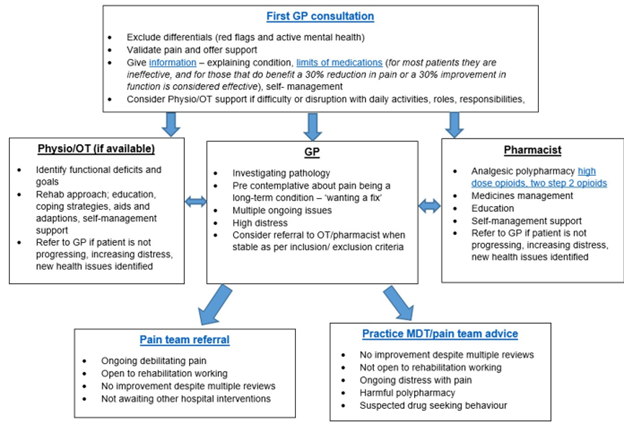
At the first consultation there are often multiple problems and high emotions. It is not possible, or fair, for the patient (or for me!) to try and manage this in ten minutes.The goal is to build a relationship, not fix a problem. I start with the biomedical assessment to make sure there are no indications of underlying problems that need to be investigated. I also check if there are active mental health problems. The next step is to be honest and let the patient know there is no magic tablet, and that this is a long-term condition in its own right. I explain that I will work with the patient to improve their quality of life. At the end of the first consultation I tell the patient about the practice website which has lots of clear, easily-accessible resources offering information and support. We then follow up in around one month.

Follow Up

At the follow up consultation, I focus on the pain management plan and especially goals for what the patient wants for themselves. At this point we also discuss medication options. This might mean screening for neuropathic pain, and ensuring any medication is appropriate. Also, if there are associated mental health problems, I discuss appropriate medication that might be helpful.

Support

Many people need more support than their GP can offer. Having access to skilled practitioners and voluntary organisations helps improve outcomes. The key is trust and for people to feel supported. Our occupational therapist helps our patients improve their daily functioning and our pharmacist helps with supported opioid and gabapentinoid reductions.

Multidisciplinary Team Flow Chart

Peer Support. Join the community

“Having chronic pain is very lonely.”

Join the community

Subscribe to Pain Matters

Everything you need to know about how to live with chronic pain

Subscribe


In pain? Don’t understand what’s happening?

“Having someone to help you prepare for your life through pain”

Our Pain Education Sessions

Fundraise for Pain Concern

Help us to help others

Fundraise


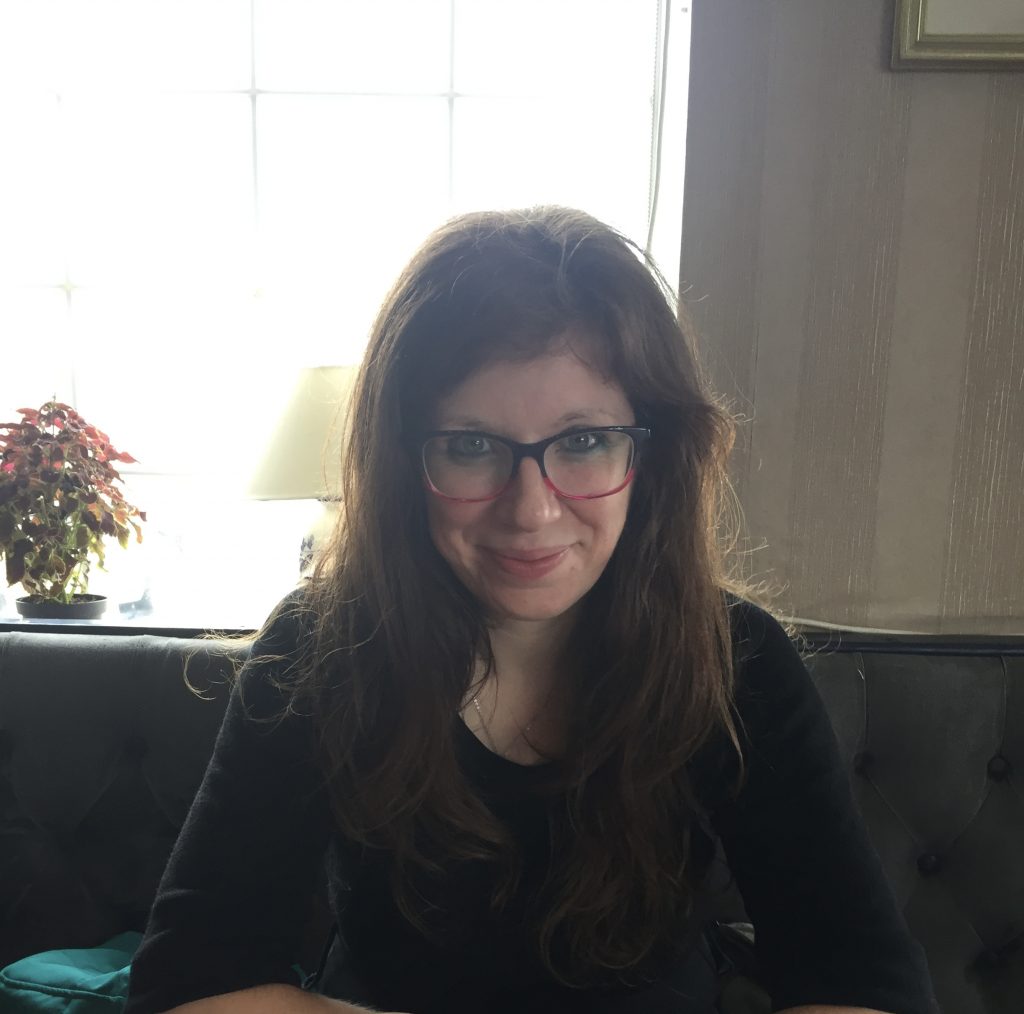
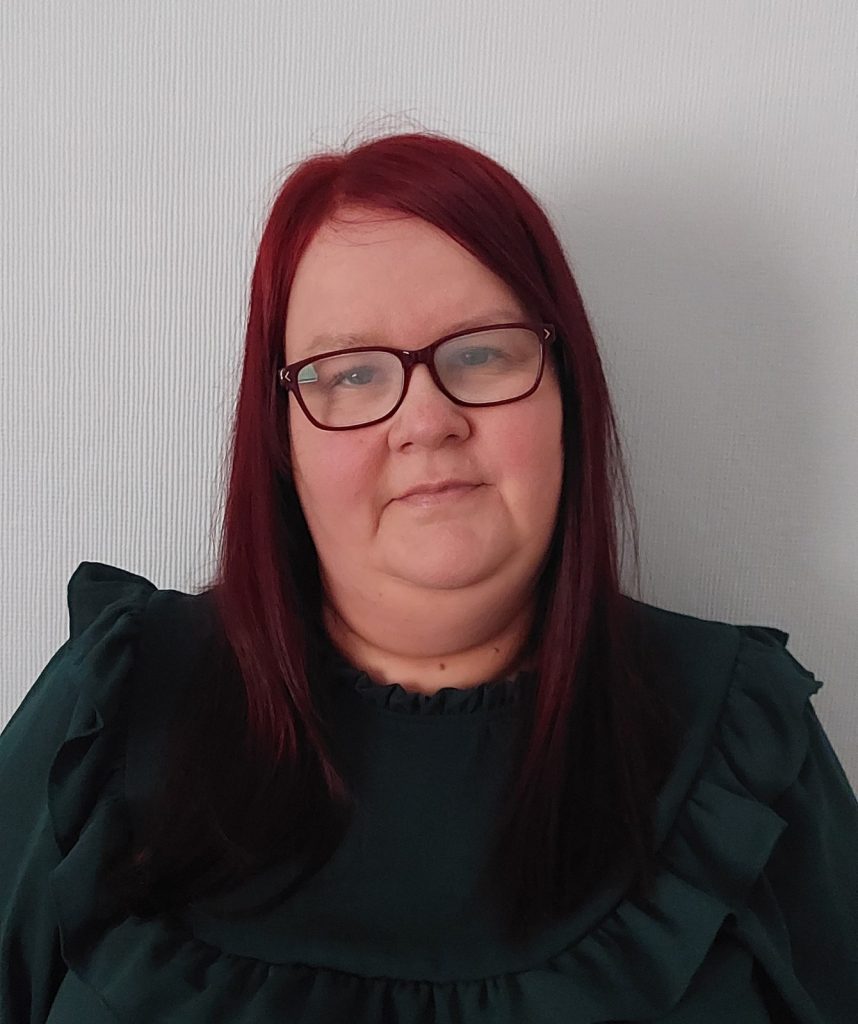
Profile of Leeanne Killen, Community Link Worker/Primary Care Development Manager. Leeanne has glasses and long dark red hair.

Author Leeanne Killen is Community Link Worker/Primary Care Development Manager, North Ayrshire Health & Social Care Partnership.


Health is impacted by a wide range of factors that are not always medical, including isolation, money worries, housing issues, self-management, work, and lifestyle. Leeanne Killen gives an insight into the workings and benefits of community link workers. 

Community link workers are based in GP practices across North Ayrshire and provide non-clinical support to people aged 16 and over who are experiencing any social, emotional or practical issues that may be impacting health and wellbeing.  

The service takes a holistic approach when working with people, which means providing support that looks at the whole person.  

Once any area of concern has been raised, the community link worker will help the person explore what opportunities are available to them. This might be a social activity group or helping get the right advice in relation to housing, money worries, getting into employment or exploring volunteering opportunities.  

The service can also help people set and achieve their goals as well as provide support with self- management of long-term conditions and mental wellbeing.  

Nicola (this is not her real name) self-referred to the community link worker service following a deterioration in her mental wellbeing that she felt was linked to having fibromyalgia.

We provided information on all available support options which included:  

• Lifestyle assessment using Mindwell MOT  

• 4 walking consultations as part of our Out and About programme  

• Anxiety-management resources on mindfulness, distraction, positive self-talk and goal setting  

• Referral to local leisure services for strength-and-balance training  
• Referral and support to access a local support group for mental health.


 We used the How am I wheel after each consultation to record scores in six key areas:  

• Mental health and wellbeing  
• Physical health  
• Ability to set goals  
• Hope for the future  
• Confidence  
• Motivation.  

Nicola noticed improvement in sleep, diet, motivation and confidence. She told us that she found the support ‘empowering. The community link worker simply provided the tools and supported me to reach my goals and start living life again.’ Six months after her first contact with the service Nicola still attended the local support group for mental health, and had made friends there who she met up with socially. She continued to access the local leisure services, but rather than needing home visits, she was able to access their community activities.  

Nicola’s Progress

Fourth Consultation
How am I wheel total score: 47/60
Distance walked: 200 metres, 1 rest  
Walking aide: not required 

Third consultation  
How am I wheel total score: 42/60 
Distance walked: 150 metres, 3 rests Walking aide: not required  

Second consultation  
How am I wheel total score: 33/60
Distance walked: 100 metres, 3 rests stops. Walking aide: walking stick used   

First consultation  
How am I wheel total score: 26/60 
Distance walked: 100 metres, 4 rests
Walking aide: walking stick used 

This article was first published in Pain Matters magazine issue 83, which covers the whole experience of living with pain, from consultations with GPs, essential information about opioids, preventing pain after surgery and managing the fear that persistent pain engenders.

Peer Support. Join the community

“Having chronic pain is very lonely.”

Join the community

Subscribe to Pain Matters

Everything you need to know about how to live with chronic pain

Subscribe


In pain? Don’t understand what’s happening?

“Having someone to help you prepare for your life through pain”

Our Pain Education Sessions

Fundraise for Pain Concern

Help us to help others

Fundraise


How to Prescribe and De-prescribe Safely

This edition of Airing Pain was prompted by the 2022 NICE Guidelines which follows a Public Health England report (2019) looking at medicines associated with dependence and withdrawal. This new legislation follows increased concerns in high levels of prescribing.

This edition discusses the challenges and opportunities of de-prescribing; and poses a shift in focus towards supported self-management and de-medicalising the management of pain for some patients. By this we mean the exploration of alternative therapies and supported self-care customised to individual needs, which come hand-in-hand with any de-prescribing of medicines.

We discuss the incredibly important role of the advanced pharmacist practitioner in adjusting the prescriptions of medicine, and the long-term regular use of pharmacists for these purposes.

Contributors:
Dr Emma Davies
, Advanced Pharmacist Practitioner specialising in Pain Management

Dr Keith Mitchell, Consultant in Pain Medicine at the Royal Cornwall Hospital

Dr Jim Huddy, GP and Clinical Lead for Chronic Pain

Special Thanks

This edition of Airing Pain was possible thanks to support from the British Pain Society.

Time Stamps:
0:49
– Paul introducing the topic NICE Guidelines 2022, following from a Public Health England report 2019 looking at medicines associated with dependence and withdrawal.

1:38 – Introducing Dr Emma Davies; advanced pharmacist practitioner in pain management, Co-Founder to Living Well With Pain, prescribing for chronic pain, and involved in setting NICE guidelines.

2:46 – Discussing risk-benefit of prescribing an increasing dose of pain management medicines.

6:23 – The problem: knowing the medicines may be harmful but a lack of correct support in place for other ways of living with pain. Reducing this type of medicine must come hand-in-hand with proper support to living well with pain.

7:24 – What does support look like? Alternative therapies and support based on their personalised circumstances.

9:15 – Talk from the Patient Group at the British Pain Society on intersectional problems and barriers to accessing care particularly for socially minoritized individuals and groups.

9:58 – The importance of personalised pain management and how to address this from the perspective of a Pharmacist Practitioner

12:00 – Discussion of possible criticisms of NICE Guidelines

13:28 – Introducing the educational resources Pain Consultants Dr Keith Mitchell and Dr Jim Huddy, at Royal Cornwall Hospital, have put together for prescribers.

14:12 – Introducing Dr Frances Cole’s 10 footstep model to pain management as another possible alternative to prescribing.

15:10 – Personalised care for each patient and supported self-management.

16:26 – Social prescribers and upskilling non-clinicians to provide the support needed towards de-medicalising the management of pain for some cases.

17:27 – Discussion on how to pose non-medical supported self-management to patients, in place of medicalised support. 

17:49 – Explaining the Pain Café in Cornwall; the benefit of belonging to a peer group outside of typically medicalised spaces, and the power of sharing challenges and experiences in a common location or setting. 

20:00 – Invitation to leave feedback.

20:45 – Advanced pharmacist practitioner, Dr Emma Davis, on the diverse and essential roles pharmacists play in pain management.

21:40 – Introducing the ‘medication review’.

24:18 – Exploring the concept of reaching the limit of helpfulness with multiple cross-over medicines. Thinking about making small reductions in prescribing.

25:52 – Dependence forming medicines as part of the structured medical review, in England.

28:48 – The ‘healing power of a good book’: escapism techniques.

More Information:

Referenced Edition 123: Dr Jim Huddy Royal Cornwall Hospital, in ‘Opioids and Chronic Pain’

The Pain Café in Cornwall

Imagine If – Social Prescribing Team

NICE Guidelines (2022) ‘Medicines associated with dependence or withdrawal symptoms’

Living Well with Pain – Ten Footsteps Programme

Peer Support. Join the community

“Having chronic pain is very lonely.”

Join the community

Subscribe to Pain Matters

Everything you need to know about how to live with chronic pain

Subscribe


In pain? Don’t understand what’s happening?

“Having someone to help you prepare for your life through pain”

Our Pain Education Sessions

Fundraise for Pain Concern

Help us to help others

Fundraise


How to prescribe and de-prescribe safely

First broadcast 7 June 2023

If you would rather listen to the podcast and watch subtitles, take a look at our Youtube video.

Jim Huddy (GP from Cornwall): There are plenty of people out there that do need doctors, they do need medications, they do need specialists and that’s absolutely fine. We don’t want to interfere with that, but there’s also plenty of people out there, that probably don’t need the medical machine, but haven’t had an alternative to the medical machine. Those people, we think, can be in a better, more wholesome, and safer place with non-clinicians.

Paul Evans (Pain Concern): And that from a clinician, intriguing, we’ll see. The NICE guidelines for safe prescribing and withdrawal of dependence-forming medicines were published in April 2022. They followed on from a Public Health England report in 2019 that looked at five groups of medicines that are associated with dependence and problems with withdrawal. Those groups are:

  • opioids
  • Z drugs, which are used to help people sleep
  • benzodiazepines
  • antidepressants which don’t actually cause dependence, but can be problematic for people to come off, and
  • gabapentinoids, now that gabapentin and pregabalin had already been reclassified to come under controlled drug legislation.

This led to concern in the pain community that it would have a detrimental impact for people relying on them to live better with their pain.

Doctor Emma Davies is an advanced pharmacist practitioner in pain management, she was involved in setting those NICE Guidelines and was co-founder to Living well with pain, prescribing for chronic pain.

Emma Davies: The scheduling of gabapentinoids was brought in ostensibly because of the concerns around misuse of those particular drugs, and there’s also been quite a significant increase in deaths associated with those medicines. Now we know that drug related deaths are not particularly associated with drugs which have been prescribed to the people who unfortunately die. The vast majority of drug related deaths are connected to substance misuse and poly-substance use. People will be using multiple different drugs, but we know that gabapentinoids are forming a larger and larger portion of those deaths now, and that was why that legislation was brought in. There was a concern that with very high levels of prescribing, we were seeing a portion being diverted and then leading to illicit use. I think for people using those medicines on prescription where they are demonstrating benefit, there should never have really been any threat to withdraw medicines from those people.

It is really important, as with all medicines, that they are regularly reviewed and that where they are not actually helping people to do more; or they’re not helping to reduce their pain; or where they are causing more problems than they’re solving for any individual, that there should be a conversation between the prescriber and patient about where that risk benefit lies, and is there some value to that person in trying to, very slowly, reduce those medicines. But that should be seen as really as a separate issue I think to the legislation side of things.

Evans: One of the issues is that people prescribe certain drugs, opioids and other drugs, the dose will go up and up and up, and they’re still with pain. So the question to the patient is, if you’re taking all these, and you’re still in pain, then, the drugs you’re taking aren’t working, we should come off them?

Davies: Yes, that would be the advice now. I think 20-30 years ago we assumed that these medicines would be helpful for the vast majority of people and that’s why we saw such a change, I suppose, in prescribing and particularly around opioids. We know that opioids are very good for acute pain and end of life, and so an assumption was made that pain is pain, and so people living with long-term pain would also derive benefit from opioids. And of course, as time has gone on, what has come to light is that for many people living with longterm pain conditions, those medicines just are not helpful. They don’t reduce their pain over time and the adverse effects of those medicines can prevent the person from living a good
life even with pain, and the same with gabapentinoids, that we understand now they are quite limited in terms of benefit.

So, where somebody isn’t showing benefit from having those medicines, and experiencing side effects, which we now understand much more, and which often manifest in similar ways to the condition that people are living with, we have a very confusing picture. But on a very basic level, if you’re taking medicines and you’ve taken them for, say, three to six months and your pain is no better and you’re not doing any more, then probably those medicines are not going to work for you and no further increases are going to be of benefit. On the other hand, they might cause substantial harm, and in those cases working with the prescribers to just slowly reduce one medicine at a time, not necessarily stopping altogether, may perhaps get you into a safer zone. So, we find a balance that starts to give some benefit without causing the level of harm that we would be concerned about. That would be generally better
for overall health and well-being, and that’s the approach that we would encourage. I certainly don’t advocate not offering medicines to people. Very often medicines form a relatively small part of management, but it can be a really vitally important part. If they do help to reduce pain, it allows people to take control of other aspects of their life to increase their movement for example, maybe to stay in work, to continue to socialize and do things that they enjoy doing. Where that is the case, we certainly shouldn’t be taking medicines away. But what we want to prevent is causing harm by either continuing medicines which aren’t helping or by just continually increasing doses into harmful ranges where we know people you know will suffer, possibly more than they would do if they were living with pain.
But that has to come hand in hand with making other support available to people, and I think one of the big problems that we have is we know the medicines are harmful and we know we have lots of people where they’re just simply not effective. But we don’t have perhaps the right support in place to give those people other ways of living effectively with their pain, so simply taking medicines away without replacing it with that support is what concerns me. I think a lot of people within pain management, people with pain and practitioners too, know that reducing medicines has to go hand in hand with support to find other ways to live well with pain.

Evans: So, just pulling the carpet away from people is wrong. What sort of things could you put in their place once you’ve reduced those medicines?

Davies: So, I think the first thing to say is there might occasionally be situations where there is such overt harm being caused to somebody, that there is some degree of urgency to make that person safe and so reducing medicine sometimes may have to be in the absence of putting the other support in place. But that should be a rarity. What we should be doing is looking at supported self-management and access to other therapies. That could be physiotherapy, occupational therapy, or movements of some sort that the person enjoys. Also, we should be supporting people to understand their pain better, to make sense of it
based on their own personal experience. So, not just a generic, ‘this is what pain is’, but ‘this is what pain is, and this is how it sits in your context’.

The most important thing normally is to support people to understand their pain and then to find ways that work for them, and that’s looking at what matters to that individual. So, what are the things in their life that they want to be able to do more of; what brings them joy; what do they want to spend their time doing and what support do they need to move towards that. For many people, it’s just encouragement – other people to speak to. Peer support groups are vitally important for that. I think sharing experience is often at least as important as having mindful practitioners to speak to.

I think learning from other people’s experience is really important, and those are the sorts of things that at the moment lots of people find very difficult to access. There was a good talk yesterday from the patient group here at the BPS about intersectional problems as well and differences in in accessing care. So, we know that certain ethnic minorities, for example, have great difficulty accessing healthcare services of any type, and we know that certainly in pain there’s large differences in cultural approaches to pain and how pain sits within a certain culture, that can then become a barrier to people accessing support as well. So, there’s a lot of work to do looking across a range of different ways that we make support more available and also increase conversations around pain. To normalize pain a little bit more, I think.

Evans: We’re at the British Pain Society Annual Scientific Meeting 2022, and from people I’ve been talking to, there seems to be a thread running through it and that thread is personalized pain management. We’re all different and different things work on different people. So, how do you as a pharmacist get around those things, I mean, you know, what is the answer?

Davies: I think it is very difficult, but what I do as a practitioner is listen to the people that come to see me and I think that’s the most important thing that any person working professionally with people with pain should do. So, that question of what matters to you is such an important question to ask, because that is going to be very different for every single person coming in. So, our approach after that has got to be focused on those things that matter to that person and how do we support them to move in that direction. I feel my job as a practitioner has changed over the years. I’ve been working in pain management for about 17 years now and I think when I started out the onus, I suppose, was on the practitioners to be telling the patients, what they needed to do. My approach has changed quite dramatically and I now see myself more in a coaching role, so I’m not here to rescue that person, I’m here
to support them to work it out for themselves. What are the things that they want to be able to do, how do they see things changing for them. It’s only once you’ve had that conversation that you can start to plan what needs to be put in place from my perspective, to help with that, and sometimes it will be medicines, and other times it will be something else. It could be having help working out their finances, for example.

So, those early conversations are absolutely the most important thing I think, it’s one of the problems I guess, with guidelines. So, it’s one of the problems with all NICE guidelines is we talk a lot in NICE guidelines about Individualized care, but how we actually put that in place in practice can be very difficult within the confines that we have to work with, and similarly, sometimes NICE guidelines get criticised for not being directive enough. But if we are individualizing care, you can’t then provide an A,B,C,D, of what you should do because that isn’t going to be the same for everyone. That is not individualized care, so NICE guidelines are very often left to interpretation, and often I find it’s not the guideline so much as the interpretation.

Evans: Or the headline?

Davies: Or the headline that comes out – absolutely! Sometimes the headline sounds really quite terrifying, and I think that’s what led to a lot of the upset, particularly around the chronic pain guideline. The headlines that came from that did not really bear a huge resemblance to the content of the guideline. We have heard of some instances where the interpretation of the guideline in practice, unfortunately, would make members of the NICE committee quite horrified, because that certainly wasn’t how the guideline was intended to be used. We’ve heard about people having medicines stopped. If you actually read the guideline, there’s nothing in the guideline that suggests that that should ever happen.

Evans: That’s Dr Emma Davies, advanced pharmacist practitioner in pain management. Back in 2019, I spoke to Dr Jim Huddy, a GP in Cornwall, about an innovative approach to reducing the high levels of opioids some patients were taking, which would lead to, in his words, higher levels of misery. That’s Airing Pain, edition 123, still available to download from Pain Concern’s website which is: painconcern.org.uk. Since then, he and pain consultant at the Royal Cornwall Hospital, Dr Keith Mitchell, have put together educational resources for prescribers on how to prescribe, and how to de-prescribe safely.

Jim Huddy: A very common question for us from prescribers is that, if I don’t prescribe, what do I do? There’s plenty that can be done, but prescribers aren’t very aware of what can be done. So, we’ve just started a five-year plan to make people more aware of them and make them more available.

Evans: So, what are the alternatives?

Huddy: Well, the model that we are following is Dr Francis Cole’s 10 footstep model. Francis is a retired GP and her life’s work has been to do with the self-management of chronic pain, and she’s distilled her work down to these 10 footsteps, and what that means is that if you research and analyse the things that patients need when they’re in long-term pain. They are things like being more active, sleeping better, understanding what pain is and what it isn’t, acceptance, goal setting, pacing yourself, jobs, relationships. So, what we are aiming towards is having those important patient outcomes available for people to kind of pick and choose as they wish, so it certainly ticks the personalized care box in the respect that one
patient might need lots of footsteps 4,5 and 6. But another patient might need footsteps 8, 9 and 10, and we’re hoping that if this five year plan goes well, that they’ll be able to find access to their particular footstep of interest in their locality, close to home, and live a better life. That’s the hope.

Evans: This sounds like supported self-management. Supported Self-management is not you as a GP saying alright, you’re on your own, it’s how you help that person to self manage?

Huddy: Exactly, and we’re aiming for a time when in fact, it’s not medics who do this, because you know as well as I do that, GP’s and medics in all spheres are completely maxed out at the moment. They don’t have capacity to spend time with people who’ve got sometimes very challenging lives, and that does take time to gain trust and give the support that you describe. So, in our core team, we’ve got two social prescribers, Nikki and Kevin, who run the community interest company called Imagine if, which provides social prescribers to our primary care network and another one close by. And so what we are aiming towards is upskilling non-clinicians into giving the support that people need and thereby achieving de-medicalisation of chronic pain for those who can de-medicalise. There are plenty of people out there that do need doctors, they do need medications, they do need specialists and that’s absolutely fine. We don’t want to interfere with that. But there’s also plenty of people out there that probably don’t need the medical machine but haven’t had an alternative to the medical machine. So, those people we think can be in a better, more wholesome and safer place with non-clinicians.

Evans: How do you get that over to a patient? He or she might want drugs because they think that drugs are the way forward. How do you get over to somebody who’s in that frame of mind that, well, actually, gardening through social prescribing or exercise will do more than the medication?

Huddy: Well, we’ve formed what we’re calling a ‘Pain Café’ in Perranporth in Cornwall. So that’s my GP surgery. Our social prescribers run virtual events, so an online Teams or Zoom meeting every six weeks or so, and the idea of this is that patients dial in electronically to a one-and-a-half or a two-hour session. The idea is this to be a non-clinically led group by our social prescribers and Sean Jennings, who’s our expert patient, and we invite patients to dial into this online meeting where they can talk about their own experience and understand each other’s experience. This is this is under the realm of peer support. But I think what’s really powerful about this approach, and we’re going to hopefully replicate this throughout Cornwall, is that rather than a peer group which is based at the local hospital, which might be forty miles away from where you live, this is a peer group of people that live in the same village or town as yourself. They’ve got a WhatsApp group. I sent them a photo this morning, actually showing them that I’m at the British Pain Society and everyone’s really interested in what the group is doing and we’re finding that they’re arranging to go for a walk on the beach together or have a coffee with each other and the power of peer support is knowing that there’s people around who are sharing the same problems and challenges that you’ve got in your life and that’s very helpful and powerful to people to know that they’re not on their own. It’s a very non-threatening zone where people can come, and we try and arrange speakers each time we have a meeting. So, the next meeting, we’re going to concentrate on Footstep five, which is about moving more or activity or exercise or whatever you want to call it. So, we’re going get our activity specialist, Jamie, to come and talk to the group and explain, even if they can’t do much activity, how they can do a bit more and get a bit fitter.

Evans: Dr Jim Huddy. Earlier we heard from advanced pharmacist practitioner in pain management, Dr Emma Davies. Now, it’s my shame I didn’t know until speaking with her about the diverse and essential roles pharmacists have in pain management. After all, doctors prescribe and pharmacists hand the medicines over the counter. Don’t they? Davies: There are huge array of pharmacists working in lots of different specialty areas who people do not know about. So, most people, when they think of pharmacists, they think of a community pharmacist working in a shop, dispensing medicines and offering advice around acute illnesses and minor illnesses. But pharmacists have a wide array of roles across all sectors of healthcare. I think people are probably becoming much more familiar with seeing a GP-based pharmacist. So, pharmacists are doing a lot of the medication reviews in practices now, and consequently, are starting to take on that medication review of those more complex medicines such as opioids and gabapentinoids. A lot more pharmacists are therefore working much more closely with people with pain. So, it is a burgeoning area of pharmacist development at the moment.

Evans: Explain to me what a medicines review is and how important it is.

Davies: Medication review should really be an ongoing process for lots of people. They might be more familiar with perhaps being called in once a year by their practice, or maybe having a phone call over the last couple of years, often from the practice pharmacist, but sometimes it’s the GP, or practice nurse. The idea of medication review really is to go through all the medicines that you might be taking for any condition and just checking that firstly, you understand why you’re taking it, that you understand the doses that you’re taking and checking that that you are taking the prescribed dose. We check for any problems that you’re encountering, such as side effects, or other problems that you’re experiencing that
you might not realise are a result of your medicines, and also checking to make sure that that medicine is still needed. So, that’s particularly pertinent in pain I think. So that is an opportunity, if you are taking medicines, to raise the fact that you still have pain or that your pain has improved actually and maybe you want to think about reducing your medicines. Perhaps something was working, but no longer seems to be working as well and it’s an opportunity to see, whether there is room to make a dose alteration or is there
something else that could be offered, such as another medicine, an alternative therapy, or an appropriate referral or other support from somewhere else.

Evans: And it could be, especially as we get older and I include myself in that, and for people with chronic pain that different medicines are prescribed at different points. So, you could be stacking up medicines over and over again, you know, I’m constipated, right well we’ll give you a medicine for that. I can’t sleep, right, we’ll give you a medicine for that. A pharmacist could look at that and say, well, actually this prescription is doing that, that is doing something else. If we took out that, or juggled those around, we’d stop the conflicting problems with it, and a pharmacist can do that?

Davies: Absolutely, that is such an important role for pharmacists. So, internationally pharmacists are recognised as being medicines experts and we are the only profession who have specific training and education around medicines and how they fit with disease management.

And you’re absolutely right that very often people end up on, say, six medicines for conditions and another six medicines to manage the side effects of the first six, and as you say, sometimes when you see different specialists, they focus on their particular area. So, you might see a cardiologist, they just look at your cardiac drugs, you see the pain specialists, they just look at the analgesics and they don’t perhaps always know or understand how those medicines work with each other or against each other in lots of cases. But that is the pharmacist’s job to unpick that with the patient. So by having a really good
conversation about how the person is, how they’re managing symptoms, the pharmacist should be able to work backwards to the medicines and work out are any of these problems being described actually caused by the medicines. In the case of pain, have we actually reached the limit of the helpfulness of these medicines, and they’re now starting to crossover and become unhelpful for this person, and that’s where we might have conversations then about, is it worth thinking about making some small reductions to your medicines to see if some of these problems are alleviated, pharmacists are absolutely brilliant for having those conversations, and that’s a big part of the job now.

In England they’ve introduced structured medication reviews, and one of the topics is dependence forming medicines. So that does become an opportunity for people living with pain, who perhaps have been on medicines, such as opioids or gabapentinoids for some time, to actually have a really good, thorough review of those medicines and perhaps work with the pharmacist to make some changes to see if things can be improved for them. We have similar schemes in Scotland, Northern Ireland and Wales, and also I think it’s important for people to realize that this isn’t a one off thing, so the medication review might highlight several things which need to be discussed or where changes need to be made, but those changes need to be made in a way that’s manageable for the individual, so it’s absolutely not about stopping everything. It’s not about getting people off by next Friday. It’s about working with the person and adapting and making small changes over possibly long period of time to get that individual into a better place overall.

Evans: So, the message has to be, use your pharmacist, go for your medicines review, it’s
free and you should do it regularly?

Davies: So, most people on long-term medicines should be offered a yearly medication review through their GP practice. Community pharmacists also have the facility to do some medication reviews, but of course if you have any problems with your medicines and you’re just not sure who to ask, your community pharmacist is always a really good first place to go to, and as you say, they’re a free service. You just turn up and they see you, no appointment necessary, and it’s the beauty of community pharmacists and why we really need to value them, and there’s a number of schemes now to increase the knowledge and skills and confidence of community pharmacists to support people living with pain. It could be someone with an acute pain that’s come on over the weekend, who pops into their community
pharmacy during the week to get some advice, or people on long- term medicines. So there’s a lot of work between GP practices, medicines management units, clinical commissioning groups and community pharmacists to try to increase the opportunity for people to have those discussions about their medicines in whatever setting suits them best.

Evans: Pharmacist Dr Emma Davies. As in every edition of Airing Pain, I’d like to remind you of the small print that whilst we in Pain Concern believe the information and opinions on Airing Pain are accurate and sound based on the best judgments available, you should always consult your health professional on any matter relating to your health and well-being.


Peer Support. Join the community

“Having chronic pain is very lonely.”

Join the community

Subscribe to Pain Matters

Everything you need to know about how to live with chronic pain

Subscribe


In pain? Don’t understand what’s happening?

“Having someone to help you prepare for your life through pain”

Our Pain Education Sessions

Fundraise for Pain Concern

Help us to help others

Fundraise


2023 marks the 39th year of Volunteers’ Week (1-7 June), and Pain Concern joins thousands of charities and voluntary organisations in recognising the contribution volunteers make across the UK.

Celebrate and Inspire

With this year’s theme of ‘Celebrate and Inspire’ we hope to encourage people to be the change that we want to see and get involved in volunteering in whatever way works for them. 

The contribution of volunteers is often unseen and unrecognised by many, visible only through the incredible impact of their volunteering, so taking the time during Volunteers’ Week to celebrate their efforts and all they contribute to our local communities, the voluntary sector and society as a whole has never been more important. 

Pain Concern’s celebrations

This Volunteers’ Week Pain Concern will be celebrating our 50+ volunteers by holding volunteer social meets online and in person, sharing volunteers’ stories and attending a community event.  

‘We are so very fortunate to have the support of our volunteers, many of whom have been with us for a number of years.  Thanks to each and everyone of them, over 90,000 people each year with chronic pain have benefited from our resources, including leaflets, podcasts, transcripts, magazines, social media posts and website analytics. Not to mention our Helpline volunteers, who provide emotional support and a listening ear to all our Helpline service users, who very much value this service.  Thank You, Thank You, Thank You!!! You really are amazing!’

Sam Mason, People, Project & Operations Manager. 

The Volunteer Experience

This Volunteers’ Week we’ve asked for a few of them to tell us about how they find volunteering at the charity: 

Tim Atkinson looks towards the camera.
Tim, Pain Concern Volunteer

Being a Volunteer Listener & Reader Panel Member

I help Pain Concern continue to produce high-quality content of all kinds both for people living with pain, their carers, and the health professionals involved in treatment and pain management. I also contribute to both the Flippin’ Pain community outreach campaign, and the Live Well With Pain training programme. All three allow me to help continue the conversation about pain management, communicating directly with both patients and clinicians about what my own experience of chronic pain means and what I’ve learnt.

The benefits, in terms of the importance of being able to talk and learn about pain and pain self-management, are huge. I get great satisfaction knowing that some small part of what I do might help someone, somewhere, as well as contribute to the wider discussion. And I benefit personally from keeping abreast of new developments and encountering new ideas and approaches. I’d recommend it to anybody. ’

Tim A, Listener & Reader Panel Member

Transcribing for good

‘I am a volunteer transcriber with Pain Concern. I have been in this role for about two and half years now. I decided to apply to be a volunteer with Pain Concern due to my own experience with managing pain, and I have an interest in transcribing and so I thought I could learn how to transcribe under the guidance of other transcribers and contribute something positive to a great charity.

I have very much enjoyed my time volunteering and learnt new skills along the way, and worked with some warm and kind people, so I would certainly recommend volunteering without any hesitation.’

Owen, Transcriber

The experience of a Helpline Volunteer

Fiona, Helpline Volunteer

‘I started training in 2022 after feeling unfulfilled in my paid employment. I had a 21 year career as a registered nurse and left due to health reasons but always missed the interaction with different people and the feeling of satisfaction when I’d been able to make a difference to someone.  

Later I volunteered for another charity, teaching nursing and medical students about my own experience of persistent pain. I found this so rewarding but I felt like I wanted to make a direct impact on people suffering with chronic pain. 

The thing I enjoy most about volunteering at Pain Concern is being there for callers who are often desperate for someone to listen and many times it’s the first time they’ve felt heard and understood. Personally I have contacted Pain Concern in the past and found it to be an amazing source of support. 

I found that the training I received has benefitted me enormously in terms of learning lots of new skills, in particular IT which I’m still getting to grips with! But mostly it has given me so much confidence in being able to deal with whatever comes my way. 

I would 100% recommend volunteering to anyone who has a spare few hours to give. I’d say just think about what your interests are and go for it. There are so many opportunities and you will be so appreciated. You’ll also be supported throughout your volunteer journey and you’ll meet lots of really nice people too!’ 

Fiona B, Helpline Volunteer

Volunteering at an event

‘Having the chance to volunteer at the British Pain Society Annual Scientific Meeting (ASM) was such a fruitful experience for me. Surrounded by thought-leaders paving the way for new therapies and techniques for pain management, and being able to directly hear them talk and interact with them about their research was an eye-opening, thought-provoking, and positive experience. I knew our podcast was delivering great things to our various audiences but witnessing the inception point of that, at somewhere as exciting as the British Pain Society ASM, was truly inspiring. I learned so much working alongside the amazing Broadcast Team and the members of Pain Concern who pulled together and engaged so many great contributors to make it happen.’

Amy J, Broadcast Assistant 

A Research Assistant’s view

‘My name is Katie, I’m 24 years old and I am a Research Assistant and Helpline Volunteer for Pain Concern. I have been volunteering with Pain Concern for a year and 4 months and decided to start volunteering after completing my Master’s dissertation on pain management amongst people with Endometriosis. This research really helped me to understand the difficulties people in pain face when trying to get support with their pain management and I wanted to be able to help in any way I could.

I have really enjoyed my time volunteering and being able to provide people with access to different types of support that they may not have tried before and being part of a range of projects supporting people on waiting lists has made me see that I can really help to make a difference.

My volunteering has also given me the opportunity to improve my communication skills and gain valuable experience working directly with service users which has been really beneficial when looking for jobs. The support I have received from Pain Concern throughout my time has been amazing, there is always someone to ask if you are unsure of anything, if you ever need someone to talk to and they help me in any way they can towards my career aspirations.

I would highly recommend volunteering to everyone, it has been a great way to help others while improving my own skills and abilities and even if it is only a small amount of time that you can give, it will make a difference to so many people.’

Katie, Research Assistant and Helpline Volunteer

Peer Support. Join the community

“Having chronic pain is very lonely.”

Join the community

Subscribe to Pain Matters

Everything you need to know about how to live with chronic pain

Subscribe


In pain? Don’t understand what’s happening?

“Having someone to help you prepare for your life through pain”

Our Pain Education Sessions

Fundraise for Pain Concern

Help us to help others

Fundraise


A headshot of Dr Mick Serpell.

Dr Mick Serpell, Consultant in Anaesthesia & Pain Medicine for Greater Glasgow & Clyde NHS

Let me explain, I work with patients who have chronic pain. My journey as a novice in the triathlon world required me to make changes in my beliefs and behaviours.

Changes very similar to those required by patients with chronic pain, who wish to regain some form of ‘normal’ life after all available treatments have been tried and failed. This rehabilitation is usually done through a process called a ‘pain management program’

It all started with my first ever triathlon event, just off Oban in August 2013. The ‘Craggy Island’ triathlon involves a small swim (550m) from the mainland to Kerrera Island, then a 14K mountain bike ride, followed by an 8K cross-country hill run. The short swim distance was what attracted me, as I could not swim more than two lengths of a pool without gasping for air. Swim training started six weeks before race day. Slowly I built up my tolerance to twenty-two pool lengths. I was ready, right?

Wrong! A sea swim is completely different from a pool swim. Cold and choppy is the water, and you can’t see what lurks below! It was a memorable introduction for me to the world of open triathlon – nearly drowning on three occasions.

However, I made it to shore and crawled into the transition area for the bike phase. As I warmed up and established a rhythm in the running section, I clawed my way up (literally on some of those hills!) to finish in just over 2 hours.

Contemplation

I had survived! Feelings of immense satisfaction and disbelief hit me at the same time. And, rather strangely, I had enjoyed myself. If I were to do this again, though, I would need to be much, much better prepared .

Making plans

Over the next two months I pondered. I read a book on triathlon training (Be Iron Fit by Don Fink), focusing particularly on time management (Preparation). Could I devote the time required? I decided to bite the bullet and booked a triathlon event as late in the 2014 season as possible (Goal setting) in order to avoid starting the 30-week training programme until well after the Christmas holidays – I enjoy my food and drink a little too much (Boom and bust).

Training

Training started in January 2014 with the ‘5K challenge’, which a group of friends were doing after the festive indulgences (Action). The challenge is to run 5K every day for the whole of the month. It is a real test of commitment to do it every single day, for 31 consecutive days, especially during that dark and miserable month. On some days the run was done at 4 AM before going to the airport or at 11:30 PM after a busy day on call. But I completed the challenge and knew then that the task was possible.

Goals

I had never intended to do a full Ironman. I booked it as there was no other triathlon event late enough in the season that didn’t clash with holiday or business trips. I naïvely thought that doing the training for a full Ironman couldn’t be much more effort than training for a half! My 30-week schedule factored in practice events such as a Standard (Olympic) distance triathlon. These revealed my weaknesses (fitness, technique and equipment) and gave me specific areas to focus on (how to fix a flat tyre mid-race, how not to forget to bring a wetsuit and have to borrow one two sizes too small!). Completing these events also gave me confidence that the big race was achievable.

Taking Part in Ironman Wales

Sea swim (2.4 miles), bike ride (112 miles) and marathon (26 miles) all in one day!

So the big day finally arrived, much quicker than expected. I would like to share what I think are two important lessons from my Iron Man.

Lesson 1 – Preparation

The closer I got to the event, the more I realized that mental preparation was absolutely essential before the race. So, I drove down straight from work (4 hours sleep in Cardiff) to arrive in Tenby on the Friday morning for the first practice swim.

There was a sea swell of up to two feet. I spent the next two mornings just getting familiar with the conditions. Thanks to my practice sessions in Scottish waters, cold water temperature was not an issue. On race day (Sunday) the swell did not look so bad when we started at 7 AM. It soon picked up – many were seasick and vomiting, over a hundred swimmers were pulled out and the swim stage was very nearly cancelled.

I was not ignorant of these facts as I was either being tossed up in the air by waves or buried under them in an avalanche of water. I didn’t try to fight the conditions; I was relaxed and calm and accepted them (mindfulness). The next day in my hotel, I met a seasoned Ironman who said he had never experienced such rough waves and did not finish the swim. I strongly believe that without those two preparation days, I would not be writing this story in quite the same way.

Lesson 2 – ‘Pace and Graze’

This is common knowledge amongst competitors, but putting it into practice can be difficult. The temptation is to fire off and chase the others in the bike section. If you do, then it’s more than likely you will hit the ‘wall’ towards the end, as you may not have enough fuel in the tank. The bike section is where you do most of your eating and drinking because it’s harder whilst running.

Usually, it is a matter of getting into a steady bike pace and start consuming! But, after THAT SWIM, the nausea put paid to oral intake for nearly an hour. It is hard holding back on the pace, but it returns dividends later when you can gradually increase momentum and reel in those riders who went off too soon.

To the end

To reach the marathon section was a relief – barring an accident, I would complete. I knew that I could jog, shuffle, walk or even crawl a full marathon if I had to. I ran the first 10K, then did a mix of walking uphill and shuffling on the flats and downhill. All the while the enthusiastic crowds lining the streets kept us all going. Their encouragement and genuine support was immense. It can never be overstated just how much it means to have people recognize and acknowledge the pain and effort you are struggling with.

Summing Up

After completion those same feelings of immense satisfaction and disbelief which I had experienced at Craggy Island hit me again. Tenby was a fantastic experience, which I will remember forever, and one that I would recommend everyone to try. I will definitely repeat it again, but for now I’m enjoying the rest. This is a luxury that pain patients don’t have. Will I relapse? Who knows? I’m only human. But I have a program, which I can now follow. It’s up to me and it’s my choice whether I reach termination.

If you would like to find out more about raising money for Pain Concern (not necessarily involving extreme physical exertion!), visit our fundraising page.

This is an excerpt from Pain Matters 61

Peer Support. Join the community

“Having chronic pain is very lonely.”

Join the community

Subscribe to Pain Matters

Everything you need to know about how to live with chronic pain

Subscribe


In pain? Don’t understand what’s happening?

“Having someone to help you prepare for your life through pain”

Our Pain Education Sessions

Fundraise for Pain Concern

Help us to help others

Fundraise


Pain Concern presented the poster ‘Impact of a Patient-led Helpline on NHS Services‘ at the British Pain Society Annual Scientific Meeting 2023.

Read below, or download the poster.

The poster was created by Dr. Martin Dunbar, Dr. Cathy Price and Pain Concern’s People, Project and Operations Manager Sam Mason.

Peer Support. Join the community

“Having chronic pain is very lonely.”

Join the community

Subscribe to Pain Matters

Everything you need to know about how to live with chronic pain

Subscribe


In pain? Don’t understand what’s happening?

“Having someone to help you prepare for your life through pain”

Our Pain Education Sessions

Fundraise for Pain Concern

Help us to help others

Fundraise


1 7 8 9 10 11 49