


We are delighted to announce that we have been awarded funding by the People’s Postcode Lottery. This will go towards our core costs which helps us with our activities to support people living with chronic pain.

We are delighted to announce that we have been awarded funding by the People’s Postcode Lottery. This will go towards our core costs which helps us with our activities to support people living with chronic pain.

Sam Mason from Pain Concern discusses NHS Fife’s Chronic Pain Management Initiative on BBC Scotland’s The Nine
One of August’s highlights was the appearance of our very own Sam Mason on BBC Scotland’s news program The Nine. She offered insights into NHS Fife’s Chronic Pain Management Initiative to reduce the use of strong painkillers.
NHS Fife’s approach focuses on educating patients about the limited effectiveness of strong painkillers and promoting alternative pain management techniques. The initiative encourages collaboration between patients and healthcare professionals, such as physiotherapists and occupational therapists, to explore non-drug interventions that can help manage pain more effectively and sustainably.
In the second clip, Sam discusses the broader implications of NHS Fife’s initiative. She emphasises that while painkillers have a role, they are only one part of a comprehensive pain management strategy. Sam highlights the benefits of alternative therapies like mindfulness, breathing exercises, and movement activities. She also touches on the importance of community support, sharing how peer-support groups can provide invaluable emotional and social benefits to those living with chronic pain.
This discussion on BBC Scotland underscores the need for a holistic approach to chronic pain management. NHS Fife’s initiative serves as a model for reducing dependency on strong painkillers and encouraging the use of alternative therapies that can lead to more sustainable and effective pain management. By educating and empowering patients, initiatives like this can significantly improve the lives of those living with chronic pain.
Pain Concern provides many free, high-quality resources to educate and empower individuals with chronic pain.
Explore over 130 Airing Pain Podcasts to help you learn more about managing chronic pain:
Find out about our Pain Education Sessions
Explore how the Pain Navigator Tool can improve communication with health professionals

Professor Andrew Rice Appointed President of IASP
We are thrilled to announce the appointment of Professor Andrew Rice as the new President of IASP (International Association for the Study of Pain).
A renowned world expert in neuropathic pain, Professor Rice brings a wealth of experience and knowledge to this important role. Based at Imperial College London, he becomes the first English based President in IASP’s 50-year history.
Professor Rice’s work is widely recognized and funded by notable organisations, including the European Commission and the Wellcome Trust.
His election to the IASP presidency follows a two-year term as President-Elect. During this period he played a significant role in shaping the association’s priorities and initiatives.
At the 2024 World Congress on Pain, he announced that the 2025 Global Year theme will be Pain Management, Research and Education in Low- and Middle-income Settings. His other key initiatives as President include:
We congratulate Professor Rice on this prestigious appointment!

A joyous John Finch receiving his award for Trustee of the Year as part of Volunteers’ Week 2024
June was a month of celebration here at Pain Concern, as we’ve had the privilege of recognising some of our incredible volunteers and staff during Volunteers’ Week 2024. Their dedication and hard work have made a lasting impact on our community, and we couldn’t be more proud.
We are thrilled to announce that John Finch, one of our remarkable team members, has won the Trustee of the Year award for his exceptional contributions to Pain Concern.
In addition, the Inspiring Volunteer Awards at Edinburgh City Chambers honored Marjorie Fisher and Samantha Mason. A special highlight of the event was our founder and chief executive, Heather Wallace, receiving the Lord Provost’s Inspiring Volunteer of the Year award.
“Heather’s inspiring engagement with health professionals has helped improve understanding and appreciation of the impacts of pain and related conditions and has had a profound impact on the latest Pain Education project.”
Lord Provost Robert Aldridge
At Pain Concern, our work would not be possible without the dedication of incredible individuals like Heather, Samantha, John, and Marjorie. We are endlessly proud of our volunteers and staff. They offer their support in so many ways. Their efforts continue to forge a meaningful difference in the pain community.

Paul Evans, Airing Pain Host, receives his Honorary Membership to the BPS from Heather Wallace, Pain Concern’s CEO
We are proud to announce that Paul Evans, host of Pain Concern’s Airing Pain podcast, has been appointed as an Honorary Member of the BPS (British Pain Society). This recognition celebrates Paul’s exceptional work in pain education, advocacy, and support for people with chronic pain.
Key Highlights:
“We’re immensely proud of Paul’s achievement and grateful for his tireless efforts in improving the lives of people affected by chronic pain,”
Heather Wallace, Founder & CEO of Pain Concern
Paul’s volunteer work, including attending BPS Annual Scientific Meetings, has greatly impacted the pain community. His efforts have made Airing Pain a trusted platform for sharing pain research and connecting healthcare providers with those living with pain.
Watch this short video to learn about our free 2-hour Pain Education sessions.
Want a deeper explanation? Watch the full 10-minute Pain Education video.
The Pain Education Session is for anyone who has had pain for more than 12 weeks. The session will give you a better understanding of your pain to help you manage your condition more effectively in the long term.
We cover the following topics:
The session is an introduction to help you develop a way of dealing with your pain and should allow you to:
Two trainers, who have chronic pain themselves, and a small group of people who have long-term pain.
The session is 2 hours long with a short break in the middle.
Online: You will need access to a smart phone, tablet or computer, connected to the internet. We will email you joining instructions before the session starts.
In-person: We also offer some in-person sessions at selected locations. These can be be prebooked on Eventbrite too when available.
“An excellent help. I loved the whole session”
Participant
“It gave an insight into pain and many ideas for coping strategies”
Participant
“Offering a patient hope, support and education”
Link Worker, Edinburgh

“Pain Concern’s Community Education Sessions are a fantastic resource, delivered by people with lived experience presenting evidenced based information, supported by NHS staff working in Pain Services. A great example of collaborative working with people experiencing persistent pain at its centre.“
Lyn Watson, Ayrshire and Arran’s Pain Service Clinical Lead, Chair of the North British Pain Association and Pain Concern’s Pain Education Steering Group
Pain Concern operates a zero-tolerance policy towards any discrimination, harassment, physical or verbal abuse directed at our colleagues or volunteers.
The Pain Education Sessions were developed by NHS Greater Glasgow and Clyde and are used by the NHS.
The Pain Education Sessions are funded by:
We thank them for their generous contributions.


If you’re looking for pain support groups near you, we have a directory on our Community Support page.
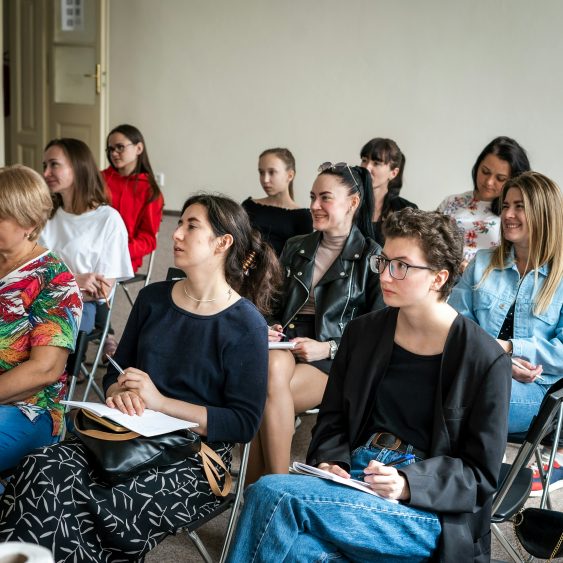
Photo by Timur Shakerzianov on Unsplash

Charles Patterson is Digital Facilitator at Powys Living Well Service
The Powys Living Well Service supports individuals across the rural county of Powys. Charles Patterson explains the importance of providing consistent, high-quality care and support as close to home as possible
Care and support close to home enables individuals to live well independently for as long as possible. Most of our care is now delivered using digital solutions, with some people requiring additional support to get connected. Our support is delivered by our own digital facilitators who consistently receive great feedback with service users commenting that they have felt looked after and understood. This is especially when they felt worried or uncertain when faced with digital options to connect.
As digital facilitators, we meet people from many walks of life. A North Powys sheep farmer provides a good example having been referred by his GP to help with his chronic conditions. He had an initial telephone consultation with a clinician and was introduced to digital support that allowed him to attend online consultations and virtual group programmes. He was automatically emailed a link to an online appointment.
As he did not appear in the virtual waiting room, we gave him a call. It was clear he was very frustrated and stressed. He had been struggling to connect using his phone, being plagued by persistent pain. His sheep were in the middle of lambing, which added extra pressure to an already tense situation.
We took some time to gently engage and put him at ease before attempting to resolve his connection issues. He really appreciated the opportunity to chat and became calmer and more open to trying something new after discussing life as an isolated farmer, and the stresses and strains of modern life.
Our approach is to spend some time talking through the process and ensuring the service user feels ready to have a go. The user is guided through each step carefully and concisely. Once online, we walk through the functionality and ensure they understand how to get online for their future consultations. In this situation the user felt more comfortable and was very grateful for the opportunity to have a good chat.
Another example involves a lady who has lived in and around Brecon in south Powys all her life. Since her husband of many years died, she had been struggling to manage life on her own and with persistent conditions. She completed her initial one-to-one appointments over the phone and was referred by her clinician for digital support to help her join a virtual programme of learning.
During her appointment with our digital facilitator, she advised us that she wanted to use her late husband’s laptop but had no personal email address. She was unsure how to get started; she told us that she was not confident with technology. As the appointment proceeded it became clear that she would need additional support, and the laptop was rather out of date.
A joint project with Powys County Council’s library service allows people to borrow iPads to connect to their appointments. She attended the library to collect an iPad and receive a detailed briefing.

She was very nervous and needed reassurance to overcome her fear of the technology. We arranged for two further briefing sessions with the experienced team at the library. These sessions were one of the first times she had been out of the house since the pandemic, and she was delighted with the social contact.
Following completion of her briefing sessions she felt confident enough to proceed with her online programme. She successfully completed the whole programme of learning. Nowadays, she meets up with her daughter online, does her banking via an app, and orders her groceries online.
Delivering digital support early in the process has allowed people to access a much wider range of information and this can lead to better shared decision-making. Making sure that people can join virtual group programmes has accelerated their access to support and negates the need to re-establish face-to-face programmes post pandemic.”
Across our services, digital support has been key to scaling up our provision. Virtual appointments and clinical programmes have allowed us to help more people, achieve a better outcome, and clearly contribute to living well.
This is an excerpt from our magazine Pain Matters 86.
Living with chronic pain can be a heavy burden. Indeed, people with chronic pain face double the risk of death by suicide compared to individuals without pain. And so it is vitally important to identify those at risk in order to get them the right help and support.
Warwick University, one of our partners, is a key contributor to chronic pain research. They’ve explored factors contributing to suicide risk in chronic pain patients and pinpointed “mental defeat” as a potential predictor.
Mental defeat can occur when individuals with chronic pain view their pain as an ‘enemy’ which takes over their life and removes their autonomy and identity. By identifying it as a prospective predictor of suicide risk, it can enable health professionals to intervene before a crisis occurs.
The downloadable poster below outlines the findings from this research, if you have been affected by this topic, help is available from the NHS.
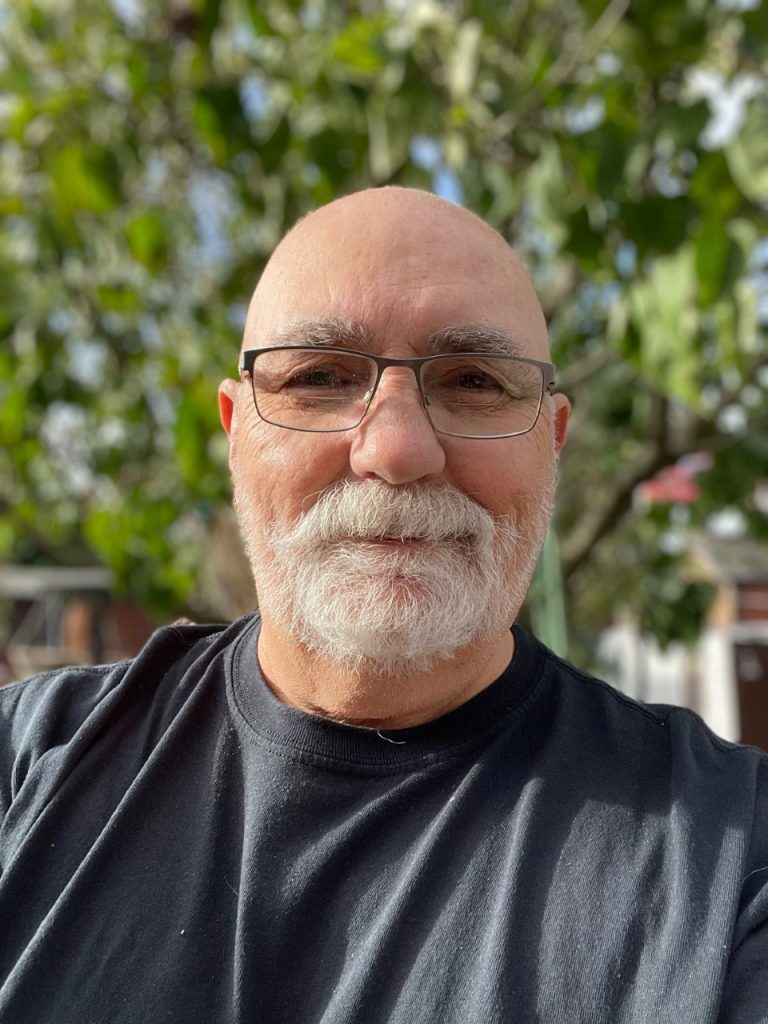
Pete Moore
Senior Trainer in the NHS Expert Patient Programme and Pain Champion
A free interactive resource developed using cutting-edge technology to help millions living with persistent pain has been launched in collaboration with Teesside University.
Academics from Teesside University’s Centre for Rehabilitation worked alongside artificial intelligence (AI) specialist StoryFile to develop a fully interactive digital version of internationally renowned pain management expert Pete Moore.
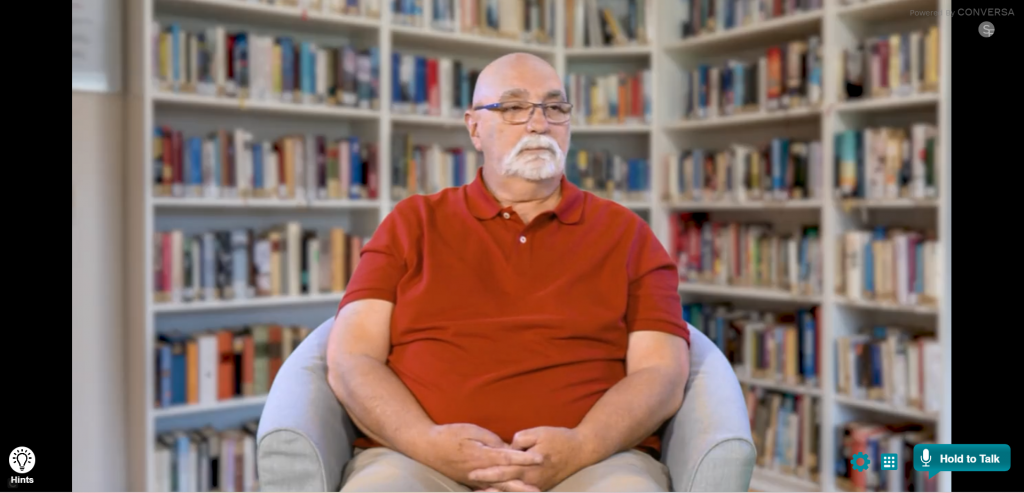
Described by StoryFile as a ‘conversational video,’ AI Pete can interact with viewers, answer questions about persistent pain and how it can be managed, and share his first-hand experiences of living with it.
“Living with persistent pain can feel very isolating, but this resource provides around-the-clock access to information, advice and support whenever it is needed, and that is a game changer.“
Pete Moore
Pete was filmed answering over 300 questions in the rigorous interview stage of the development process. The AI recognizes questions from viewers and plays the relevant response in real time, as in an ordinary discussion.
It has the potential to help millions of people living with persistent pain to access support, discover new pain management techniques, and improve their quality of life.
Pete, 69, from Essex, worked as a Senior Trainer in the NHS Expert Patient Programme. He has been living with persistent pain for more than 20 years and was named a Pain Champion UK in recognition of his efforts to drive positive change.
“I’m fed up with talking about my pain,” Pete smiled. “Now AI Pete can do it for me. Living with persistent pain can feel very isolating, but this resource provides around-the-clock access to information, advice and support whenever it is needed, and that is a game changer. I know how much a tool like this would have helped me back in the day, so I’m incredibly proud of what we have achieved.”
Pete joins Star Trek’s William Shatner, a NASA astronaut, and Holocaust survivors, who have all used StoryFile to record their experiences and leave a legacy.
The project has been incorporated into the Pain Toolkit, a resource developed by Pete with useful guidance around persistent pain and self-management used worldwide by patients and medical professionals alike.
People can ask AI Pete to explain more about the different tools in the Pain Toolkit, which include patience, planning, relaxation, and exercise.
Denis Martin, Professor of Rehabilitation and Director of the Centre for Rehabilitation at Teesside University, who led the project, said:
“Teesside University is committed to transforming lives and leads by example when it comes to showing how innovative technologies can be applied to tackling real-world issues.”
“That is exactly what we are doing through this groundbreaking project. There are millions of people out there with persistent pain who will be able to take control of that aspect of their lives by engaging in a conversation like never before. “
“It would be lovely for each and every one of them to have personal contact with Pete, but it is not feasible. So, we’re using cutting-edge technology to find a way to bring Pete and his expert advice on self-management techniques to them.”
“While it is very important for patients to get guidance and information from medical professionals, we acknowledge the undeniable benefits which they get from hearing from those with lived experiences of persistent pain as well. That’s where AI Pete comes in.”
Pete added: “Self-management is a partnership between a healthcare worker and patient, and it can be hugely beneficial. “But healthcare professionals aren’t often given the opportunity to focus on the idea of self-management during their training. This new resource and the Pain Toolkit are raising awareness around the positive potential of self-management in all aspects of healthcare. “The University has been incredibly supportive in the development of this project and the enhancement of the Pain Toolkit. I’ve never had so much support from any other institution.”
Professor Martin worked with fellow Teesside University academics Professor Cormac Ryan, Dr Sophie Suri and Dr Andrew Graham on the project.
Last year some of our members kindly contributed to a study carried out by the University of Strathclyde on behalf of HIS (Healthcare Improvement Scotland). This study aimed to explore the advice and support offered to patients by pharmacists taking common painkillers known as NSAIDs (Non-Steroidal Anti-Inflammatory Drugs eg. ibuprofen, naproxen). They were particularly wanting to find out if a newly developed NSAID toolkit provided to community pharmacists had made any impact on the advisory practices. The overall aim is to improve patient safety.
The study is now complete and here are some of the their findings:

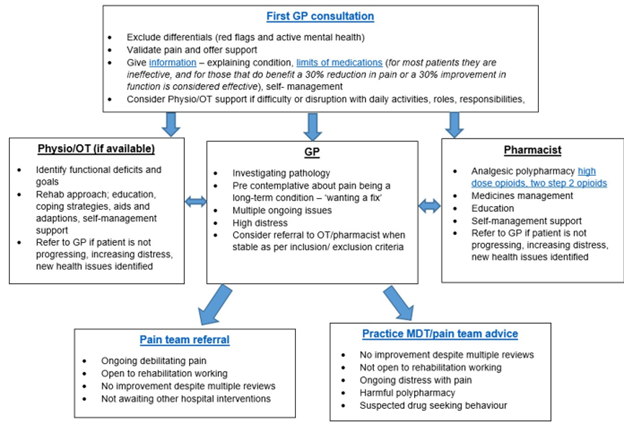
Calderside Medical Practice in Lanarkshire has moved from treating persistent pain as a symptom that needs a drug to treating it as a long-term condition that can be managed with information and support.
Since changing their approach in 2016 they have registered around 300 patients with pain and have halved their prescribing of both opioid and gabapentinoid medicines. Patients at the practice find they need to attend GP surgeries less frequently since they have benefitted from rehabilitation through pain management consultations with access to multi-disciplinary support.
Dr Kieran Dinwoodie, one of the doctors at Calderside Medical Practice, gives his perspective on this approach.
My consultation model is based on building trust. This means my patients have to feel heard, validated and supported. This helps move the conversation on from ‘what’s the matter’ through to ‘what matters to you?’
At the first consultation there are often multiple problems and high emotions. It is not possible, or fair, for the patient (or for me!) to try and manage this in ten minutes.The goal is to build a relationship, not fix a problem. I start with the biomedical assessment to make sure there are no indications of underlying problems that need to be investigated. I also check if there are active mental health problems. The next step is to be honest and let the patient know there is no magic tablet, and that this is a long-term condition in its own right. I explain that I will work with the patient to improve their quality of life. At the end of the first consultation I tell the patient about the practice website which has lots of clear, easily-accessible resources offering information and support. We then follow up in around one month.
At the follow up consultation, I focus on the pain management plan and especially goals for what the patient wants for themselves. At this point we also discuss medication options. This might mean screening for neuropathic pain, and ensuring any medication is appropriate. Also, if there are associated mental health problems, I discuss appropriate medication that might be helpful.
Many people need more support than their GP can offer. Having access to skilled practitioners and voluntary organisations helps improve outcomes. The key is trust and for people to feel supported. Our occupational therapist helps our patients improve their daily functioning and our pharmacist helps with supported opioid and gabapentinoid reductions.
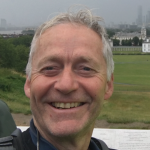
Dr Mick Serpell, Consultant in Anaesthesia & Pain Medicine for Greater Glasgow & Clyde NHS
Let me explain, I work with patients who have chronic pain. My journey as a novice in the triathlon world required me to make changes in my beliefs and behaviours.
Changes very similar to those required by patients with chronic pain, who wish to regain some form of ‘normal’ life after all available treatments have been tried and failed. This rehabilitation is usually done through a process called a ‘pain management program’
It all started with my first ever triathlon event, just off Oban in August 2013. The ‘Craggy Island’ triathlon involves a small swim (550m) from the mainland to Kerrera Island, then a 14K mountain bike ride, followed by an 8K cross-country hill run. The short swim distance was what attracted me, as I could not swim more than two lengths of a pool without gasping for air. Swim training started six weeks before race day. Slowly I built up my tolerance to twenty-two pool lengths. I was ready, right?
Wrong! A sea swim is completely different from a pool swim. Cold and choppy is the water, and you can’t see what lurks below! It was a memorable introduction for me to the world of open triathlon – nearly drowning on three occasions.
However, I made it to shore and crawled into the transition area for the bike phase. As I warmed up and established a rhythm in the running section, I clawed my way up (literally on some of those hills!) to finish in just over 2 hours.
I had survived! Feelings of immense satisfaction and disbelief hit me at the same time. And, rather strangely, I had enjoyed myself. If I were to do this again, though, I would need to be much, much better prepared .
Over the next two months I pondered. I read a book on triathlon training (Be Iron Fit by Don Fink), focusing particularly on time management (Preparation). Could I devote the time required? I decided to bite the bullet and booked a triathlon event as late in the 2014 season as possible (Goal setting) in order to avoid starting the 30-week training programme until well after the Christmas holidays – I enjoy my food and drink a little too much (Boom and bust).
Training started in January 2014 with the ‘5K challenge’, which a group of friends were doing after the festive indulgences (Action). The challenge is to run 5K every day for the whole of the month. It is a real test of commitment to do it every single day, for 31 consecutive days, especially during that dark and miserable month. On some days the run was done at 4 AM before going to the airport or at 11:30 PM after a busy day on call. But I completed the challenge and knew then that the task was possible.
I had never intended to do a full Ironman. I booked it as there was no other triathlon event late enough in the season that didn’t clash with holiday or business trips. I naïvely thought that doing the training for a full Ironman couldn’t be much more effort than training for a half! My 30-week schedule factored in practice events such as a Standard (Olympic) distance triathlon. These revealed my weaknesses (fitness, technique and equipment) and gave me specific areas to focus on (how to fix a flat tyre mid-race, how not to forget to bring a wetsuit and have to borrow one two sizes too small!). Completing these events also gave me confidence that the big race was achievable.
Sea swim (2.4 miles), bike ride (112 miles) and marathon (26 miles) all in one day!
So the big day finally arrived, much quicker than expected. I would like to share what I think are two important lessons from my Iron Man.
The closer I got to the event, the more I realized that mental preparation was absolutely essential before the race. So, I drove down straight from work (4 hours sleep in Cardiff) to arrive in Tenby on the Friday morning for the first practice swim.
There was a sea swell of up to two feet. I spent the next two mornings just getting familiar with the conditions. Thanks to my practice sessions in Scottish waters, cold water temperature was not an issue. On race day (Sunday) the swell did not look so bad when we started at 7 AM. It soon picked up – many were seasick and vomiting, over a hundred swimmers were pulled out and the swim stage was very nearly cancelled.
I was not ignorant of these facts as I was either being tossed up in the air by waves or buried under them in an avalanche of water. I didn’t try to fight the conditions; I was relaxed and calm and accepted them (mindfulness). The next day in my hotel, I met a seasoned Ironman who said he had never experienced such rough waves and did not finish the swim. I strongly believe that without those two preparation days, I would not be writing this story in quite the same way.
This is common knowledge amongst competitors, but putting it into practice can be difficult. The temptation is to fire off and chase the others in the bike section. If you do, then it’s more than likely you will hit the ‘wall’ towards the end, as you may not have enough fuel in the tank. The bike section is where you do most of your eating and drinking because it’s harder whilst running.
Usually, it is a matter of getting into a steady bike pace and start consuming! But, after THAT SWIM, the nausea put paid to oral intake for nearly an hour. It is hard holding back on the pace, but it returns dividends later when you can gradually increase momentum and reel in those riders who went off too soon.
To reach the marathon section was a relief – barring an accident, I would complete. I knew that I could jog, shuffle, walk or even crawl a full marathon if I had to. I ran the first 10K, then did a mix of walking uphill and shuffling on the flats and downhill. All the while the enthusiastic crowds lining the streets kept us all going. Their encouragement and genuine support was immense. It can never be overstated just how much it means to have people recognize and acknowledge the pain and effort you are struggling with.
After completion those same feelings of immense satisfaction and disbelief which I had experienced at Craggy Island hit me again. Tenby was a fantastic experience, which I will remember forever, and one that I would recommend everyone to try. I will definitely repeat it again, but for now I’m enjoying the rest. This is a luxury that pain patients don’t have. Will I relapse? Who knows? I’m only human. But I have a program, which I can now follow. It’s up to me and it’s my choice whether I reach termination.
If you would like to find out more about raising money for Pain Concern (not necessarily involving extreme physical exertion!), visit our fundraising page.
This is an excerpt from Pain Matters 61