Information & Resources

Find information and resources to help manage your pain.

Get Help & Support

Find the tools you need to
help you manage your pain.

Get Involved

Help make a real difference to people
in the UK living with chronic pain.

About Us

Find out about Pain Concern and how
we can help you.

Investigating the diagnoses of headaches, and the benefits of topical and placebo treatments for chronic pain

To listen to this programme, please click here.

Paul Evans meets Dr Paul Davies, a Consultant Neurologist from Northampton General Hospital, who explains that whilst most headaches are benign and can be self-medicated, some headaches – those that are frequent and very painful – require medical attention. He outlines the different types of headaches, including migraines, tension headaches and cluster headaches, and says that each kind requires a specific treatment. Dr Davies admits that GPs have a long way to go in diagnosing and treating chronic headaches effectively. 

Issues covered in this programme include: Migraine, headaches, topical treatment, tension headache, cluster headache, side effects, placebo, psychology, self-medication, gel, cream, plaster, neuropathic pain, blood stream, HIV neuropathy, post-herpetic neuralgia, brain signals and medication.

Dr Mick Serpell, a consultant in anaesthesia and pain medicine in Glasgow, gives us an introduction to topical medicine – medication applied to the surface of the body rather than introduced into it. The medication is applied to the painful area and the drug has a painkilling effect at a local level. Topical medicines can take the form of a cream, a gel or a plaster impregnated with a drug. We hear about two types which are usually used to treat neuropathic conditions – lidocaine and a chilli pepper plaster. One benefit of topical treatments is that they have very few side-effects and can usually be used alongside other analgesics. 

Finally, Paul meets Dr Michael Lee, a Research Associate at Oxford Centre for the Functional Magnetic Resonance Imaging of the Brain, who carries out extensive research into placebos – treatments given purely for psychological effect. In defiance of those sceptical of the placebo effect, Dr Lee’s brain imaging research shows that placebo medications can have a visible effect on the way that pain is transmitted to the brain. Dr Lee also highlights the importance of psychological context in treatment, saying that what a patient believes about their doctor, their medication and the therapeutic process as a whole affects their response to medication.

Paul Evans: Hello and welcome to another edition of Airing Pain, a programme brought to you by Pain Concern. A UK based charity working to help support and inform people living with pain and health care professionals. This edition’s been supported by a grant from the Scottish Government.

We all, I presume, get headaches. But when should we be seeking treatment from our GP? And will he or she be equipped with the right knowledge to help us? Doctor Paul Davis is a consultant neurologist at Northampton General Hospital. He also runs a headache clinic at the John Radcliffe Hospital in Oxford. He addressed health professionals at the Welsh Pain Society Annual Scientific Meeting on this very issue.

Dr. Paul Davis: The problem is that there are all sorts of different headaches, and some headaches are very serious and life threatening, but most of them are just very painful and we have many patients who are totally disabled with chronic headache. Although most people have just intermittent problems which they may adequately treat with analgesics, but there is a proportion of headache suffers that really do need medical attention that they don’t always get.

Patients, when they first develop headache often think they have got something serious, but those are relatively rare and usually fairly easy to diagnose. The vast majority of headaches are benign and there are a variety of them, but the most common would be migraine which is a recurrent severe headache – it comes in various shapes and sizes. There’s a tension type headache, which is just as common and again effects people with varying frequency and duration. And then there are some rarer but indeed very painful headaches, like cluster headache. This is a benign headache and it affects men more than women. It affects about one in a thousand people and it is often called “suicide headache” because it is so painful.

Evans: Are there problems with diagnosis?

Davis: Yes. The headache of course is just a symptom and we are trying to diagnose the cause of that symptom. There may not be a particular cause as such, like in migraine, or there may be a serious cause that you need to discover. But all headache diagnoses are firmly based on taking a good history from the patient; asking the patient about how long they have had the headaches, how often they occur, what they are like. And time spent taking the history will lead to a good idea as to the type of headache that patient has got.

The examination in most people will be normal, but of course in people with serious causes it may be vital to the diagnosis. Tests are often done but we seldom find results on tests like scans that we were not expecting, so the history is the key to the diagnosis.

Evans: So people who will be worried that they have got a brain tumour or anything, should they really be worried when they have a headache?

Davis: No. If headache is the only symptom, it is almost unheard of that they will end up having a brain tumour. Indeed, brains tumours tend not to give headache until they are really quite big, so they tend to present with people having seizures, or people having paralysis, or sensory problems. So really, it is pretty obvious when someone has got a brain tumour. They are so rare that in the vast majority of people you do not need any tests to prove that they do not have a brain tumour.

Evans: In your talk to the Welsh Pain Society, you talked about episodic headaches and chronic headaches. I presume an episodic headache is something that I or other people might have occasionally?

Davies: We take chronic headache to mean a headache that occurs on fifteen or more days in the month. In other words, it occurs most days: it may be all the time; it certainly must be most of the time. We need to diagnose the type of chronic headache, even though the patient may say, ‘I have got a pain in my head every day’.

So there are several diagnoses where the pain is chronic: chronic migraine, chronic tension type headache, medication overuse headache, things like that. They are treated differently, so we must make a diagnosis even though they have got a pain all the time.

Evans: Do the same drugs that work for chronic pain work for chronic headache?

Davies: Not necessarily. Some do. So, for example, amitriptyline is used a lot in pain clinics for chronic pain; it is also used a lot as a migraine prevention pill, so it could be used for chronic migraine. Yet there are other drugs that are used a lot in chronic pain, chronic back pain, like pregabalin or gabapentin, which really are rather ineffective in the prevention of chronic migraine. So it is important to diagnose the type of chronic headache because it will influence the type of treatment you give patients.

Evans: It seems to me as a layman that there are different mechanisms working with chronic pain and chronic headache.

Davies: There must be a fair bit of overlap, but the fact that different drugs have different effects in these different pains and different headache syndromes does, I think, imply that there are  different mechanisms. But I think also there are lots of similarities. If you have got a chronic migraine and it is different from a chronic pain in the head, it may still make you anxious or depressed and bring on a lot of those comorbidities that people who work in pain clinics see in patients with chronic back pain, for example.

Evans: Can we self-medicate our headaches?

Davies: Yes – and indeed most people do and for many people it is entirely safe and works satisfactorily so they do not need to seek medical help. I’m talking largely about the more benign end of the spectrum: people who maybe get migraine once a month or something like that.

The difficulty with self-medication comes if the headaches are very frequent. Then patients will want to take analgesics frequently or they may use them in the wrong way like, ‘I’m going out tonight, I don’t want a headache, I’ll take two aspirin.’

And if they take analgesics too frequently, then they can lead to a disorder that has been increasingly recognised where the headache is a result of taking all this analgesia – medication overuse headache. There is no test for that and the only treatment is to withdraw the offending analgesics. And it is a huge problem.

Evans: What’s your advice to people who suffer headaches?

Davies: It’s important to have a diagnosis and often people know they have got migraine because the symptoms are so typical or maybe their mother had migraine and the mum says, ‘Oh that’s just a migraine.’ But if they have troublesome headache and they don’t know what is causing it, then they need to see a medical practitioner. They need a diagnosis so that they will receive the right treatment.

Evans: So are GPs particularly good at diagnosing headache?

Davies: Well, I think we know from studies that they are not particularly good. We know that if you have a headache and you go along to your general practitioner, the odds are you won’t be diagnosed with your headache. As a result you will be given some analgesic, which, if it does not work, you will want something a bit stronger. And, you know, the last thing one wants to do is give strong analgesics to headache suffers, as it just tends to make the problem worse. I think GPs are improving, but there is still a fair way to go in getting the right diagnosis.

Evans: Consultant neurologist Dr Paul Davies. I will just remind you that whilst we at Pain Concern believe the information and opinions on Airing Pain are accurate and sound, based on the best judgments available, you should always consult your health professional on any matter relating to your health and well-being. He or she is the only person who knows you and your circumstances and therefore the appropriate action to take on your behalf.

Now, a topical medicine is one that is applied to surface areas of the body as opposed to those which are delivered into the body, say by tablet or injection. They are an emerging area of interest for patients and physicians, so why is that? Dr Mick Serpell is a consultant in anaesthesia and pain medicine in Glasgow.

Dr Mick Serpell: I think it is important for us to distinguish what we mean by topical medicines. A lot of people will think, you know, a patch on the skin is a topical medicine and examples of that would be some of the opioid patches, you know, fentanyl or the buprenorphine patches, but also hormone replacement therapy and anti-sickness drugs – they can be given by patches. But they are tools that deliver drugs through the skin into the blood stream, so they are not topical. They are applied on the skin but they are working generally around the body by being absorbed into the blood.

Evans: So what does topical mean in this context?

Serpell: Topical means the medication is applied to the area that is painful and that predominately the drug is concentrated into that tissue and has an effect at that local level. Some of it will be absorbed into the blood but tiny amounts, and that won’t be contributing to the pain relieving effect of the medication.

Evans: I am thinking now of people trying to give up smoking, if they put a nicotine patch on that goes into the bloodstream. But what we are talking about now is as if I have a pain in my leg I put a patch on there, and that just affects the pain on my leg, locally.

Serpell: That’s right yes. So patch often means the drug is working, you know, systemically by being absorbed in the blood stream. It might be better to call all these topical therapies ‘a plaster’. And, for example, the lidocaine plaster is something which works topically at the area that it is supplied to. Most people can associate the idea of a plaster, a bandage that you put on a sore bit, you know, a cut, and it is just over that local area. So ‘a plaster’ would be a better term because it is applied to the painful area and it works purely in that painful area. There may be overspill secondary benefits which we see with successful treatment but it is working predominantly at the local sight of application.

Evans: Can you explain to me what these patches, or let’s call them plasters if you like, what they are used for?

Serpell: Perhaps first it might be worthwhile just saying what topical therapy is, that most people may be more familiar with, that are out there in terms of pain killing treatments – and the anti-inflammatory gel,  you can buy that from the chemists, that’s just a cream, you rub that on a sore joint. And there is also the chilli pepper cream that has been out for 30-40 years – again that’s a cream that you rub all over the painful area.

What’s happened more recently is the development of plasters (as we are going to call them) which are a preformed material with the drug impregnated and you apply this to the skin and the drug has its effect. The two main used ones are the lidocaine plaster, which has been out for over five years, and more recently the chilli pepper plaster. They are quite different drugs, they work in different ways and they work for different types of pain.

So the lidocaine plaster contains lidocaine which is a local anaesthetic that most people may be familiar with, getting from the dentists, a very old drug, about 60 years old. When it’s concentrated into the plaster, and applied over the painful area it can have an analgesic benefit. It’s used primarily for neuropathic pain conditions: that’s nerve pain conditions. And, predominantly it’s used for postherpetic neuralgia, but also sometimes diabetic neuropathy, but also postoperative wound, scar pains, if there is a neuropathic or nerve component to that. Some people have used it in some other conditions which it’s not actually licensed for, but in palliative medicine, clinicians sometimes use it for, for example, bone metastatic pain deposits – it does have some benefit in some cases there.

Evans: Are there any down sides to using these medications?

Serpell: Well administering them topically has big advantages in general. Very little drug is absorbed into the blood stream. So therefore systemic side effects are much less common. But the drugs can have, you know, some minor effects. But, as a general rule, topical therapies have much lower side effects.

They predominantly have problems with local side effects, and that may be skin irritation, if the patient is allergic to the adhesive that is used to stick the plaster to the skin, or allergic to the actual ingredients, the drug ingredient. Some people are allergic to light local anaesthetics or to chilli pepper. But normally side effects are contained to the local tissues, so it’s skin rash or redness. But there is a small number that do get systematic side effects of nausea, but you get that with any type of treatment, you know, placebo also has side effects like that. But they are much, much less than taking a systemic therapy.

Evans: Should you be aware of taking other pain killers, or other medicines when using these?

Serpell: Generally not because very little of the drug is taken into the blood stream so it should not really interfere or interact with other drugs that the patient may be on. And if you do get good effect, good pain relief by using a topical therapy that often allows you to reduce the dose and maybe even stop some of the drugs that you are taking for pain relief.

Evans: You mentioned chilli pepper. Now that’s something that’s used to induce pain, so how does it work as a pain relief?

Serpell: Yes, it’s an interesting phenomenon. The actual proper name for the ingredient is ‘capsicum’ and when it is applied to the skin, you are quite right, it actually activates pain and certainly there are experimental pain models where you inject chilli pepper to induce an acute pain in order to sort of study it. So when you apply these creams or the chilli plaster patients often do get some pain. The more dilute creams, it tends to be more of a burning sensation; the stronger patch, which is about over 100 times stronger than the strongest cream, is quite a strong reaction: it can be actually painful during the application – but that will subside after a few hours or sometimes days.

But, you are quite right – what they do is stimulate the nervous system to begin with, so patients will get pain, and then it causes changes within the nerves, it’s actually a neurotoxin, so it actually causes the nerves to, as it were, die at the peripheries and then retract into the skin. So there is some degradation. But this is reversible when the medication stops, the nerves will slowly grow back after a few weeks and the pain relief is induced by that mechanism.

Evans: So it’s kicking the pain relief into action, basically?

Serpell: Yes. Nerve pain is induced by nerves that are acting abnormally, they are hyper excitable and throwing off electrical impulses which is continually giving the patient sensation of pain. The chilli pepper plaster will actually knock out the nerves and temporarily degrade them, so they are not functioning anymore and the pain settles down. But as the nerves regrow back – which all the evidence suggests at the moment that they grow back normally – then eventually pain most commonly returns again. And then a second application can be done and so on.

Evans: Do you become more immune to effects, the more you use?

Serpell: There is no evidence for that. Clinical trials are being done with patients getting repeat applications over a year and there is no evidence that you know, a third, fourth patch is any less effective than the first one. But as clinical experience, you know, accumulates as we have real patients who have actually have these plasters applied over several years, then we will get the true answer for that. But at the moment there is no suggestion that tolerance develops.

Evans: I take it that these aren’t over-the-counter drugs?

Serpell: No. Both of them are prescription-only medicines. So in the first case, the lidocaine plaster your GP can prescribe them and the patient can apply them themselves. And usually with the lidocaine plaster it’s put over the painful area for 12 hours and then taken off for 12, so it’s a once a day or once a night application, but done every day.

The chilli pepper plaster is quite different. It’s quite concentrated, quite potent, so the patient can’t apply it to themselves. If you get it on your eyes, it can cause some serious damage. So it’s actually applied by a trained individual, most commonly a nurse who has gone through a formal training process. And she will be wearing gloves at least, and often they have a mask on and eye protection and it is done in a well-ventilated room, because they do give off some fumes, chilli pepper fumes, and that can induce some coughing, airway irritation, sometimes runny eyes, if the concentration of vapour is too high. So that’s why it is done in a proper setting, in a good well-ventilated room with a trained individual. And it’s applied for one hour and then taken off.

A good responder will have pain relief lasting for three months or longer. So it’s as it were a treatment that the patient will come in, get done and then they go away and they can forget about medication – hopefully forget about their pain, if they have had a good result – for many weeks, maybe months.

Evans: So who would be offered the chilli pepper patches?

Serpell: These would be patients who have neuropathic pain. It’s licensed for postherpetic neuralgia pain. There are other nerve pains which it has been used for – it is also licensed for HIV-induced neuropathy and actually very few treatments work in HIV neuropathy, so this is the one of the few effective medications. So those two groups – HIV neuropathy and postherpetic neuralgia – but we know there are many other type of neuropathic pain patients out there and although clinical trials haven’t been completed to warrant a granting of a licence indication, we as clinicians have used it in these off label conditions, like post-operative scar pain, and found good results in some patients. So I think the important thing is that patients get a proper assessment of their pain and are well informed of what their treatment options are. And drugs form a part of that treatment, but it’s not the only part, and sometimes has very little, or sometimes even no role. I think it’s important to look at the non-drug therapies, the physiotherapy, the psychology…

But if we’re using drugs, we try and get a sensible combination of drugs that are going to be the most effective for the patient and have the least side effects. Particularly with resistant pain, you often have to combine drugs and maybe use two, three, four, sometimes five different drugs. So the more drugs you use, the more chance of side effects. So we are trying to sort of minimise that and one way of doing that would be the use of topical therapy where systemic side effects are, you know, generally much, much reduced.

Evans: Consultant in Anaesthesia and Pain Medicine, Dr Mick Serpell.

Well, what if the tablet you’re taking could in terms of its chemical make-up have absolutely no side effects at all – indeed, no effect of any kind at all. In fact, unbeknown to you, you’re only taking it because the doctor thinks the psychological benefits of taking it will far outweigh those of not taking it. The term ‘placebo’ – that pill or medicine given purely for psychological effects – actually comes from the Latin, ‘I shall please’.

Michael Lee is a research associate at the Oxford Centre for Functional Magnetic Resonance Imaging of the Brain. He’s involved in extensive research into the so-called ‘Placebo effect’. So is it correct to say that a placebo doesn’t do anything?

Micheal Lee: It is, but there is a little bit more to that. The tablet itself is inert and as far as the patient knows, and maybe the prescriber knows, it’s biologically inactive. And that’s not the same as it doesn’t do anything; clearly it does something, because you have what’s called a ‘placebo effect’ or response, in that some patients do improve with this seemingly inert compound that they’ve just taken.

Evans: So do people actually give patients with pain conditions little white tablets that outwardly will not do anything to them?

Lee: If you are talking about current practice, then the answer is probably not. In fact, in a recent 2013 survey of GPs only 7 per cent would say that they have ever, ever prescribed a – what they call – a pure placebo, i.e.: a tablet that they know does absolutely nothing biologically. Most placebos are actually impure, so they have some action, but not necessarily for the condition that‘s being treated. So an example of that – and that’s been of concern – would be prescribing antibiotics, which obviously have a biological effect, but for common cold which is a viral infection, because there is a strong belief by the patient, or perhaps by their GP, that this is going to be useful. But obviously this is not best practice. So that would be called an ‘impure placebo’.

Evans: So that is purely to fool the patient?

Lee: Not purely to fool the patient, but perhaps to reassure. In fact, in the 1950s, placebo prescription was considered actually quite acceptable, in fact benevolent and kind. But that’s really because we were at that time, in an era where we didn’t have specific treatments for diseases, we only had very general panaceas.

Evans: With your study on placebo, are there actually any benefits?

Lee: Well, the thing about placebo is that it relies on the belief of the patient and also the interaction between a doctor and a patient as to how effective this tablet is going to be. Even if you take a tablet that is really quite effective you can always make it more effective by the way you present it, for example, its packaging, its cost and all that. So what brain imaging tries to do is to find out is this really related to a true pain-killing effect, or is it more related to what they call a report bias. So, if I treat you very well as a person, and I give you a tablet and even though the tablet isn’t doing what you want it to do, but because I am really nice to you, you might come back to me to say, ‘well Doctor Lee, I think it’s really working.’ Now for me that – you’re better, but in reality you’re not — there’s a report bias that’s happening. So what brain imaging wants to do is capture objectively the actual brain response to pain that happens during placebo to see that there’s an actual change in the way pain is being transmitted to the brain.

Evans: So can there be a response?

Lee: Absolutely, and that what brain imaging has shown, that in certain circumstances placebo has a very real response in terms of the way pain is being transmitted from the periphery to the brain.

Evans: How does that work, if there is no active ingredient?

Lee: It works really by the ways our brain has in terms of actually controlling pain. For example, you may in the heat of sports or vigorous exercise, you have not noticed being injured and therefore we have what’s called an ‘endogenous system’ for control for pain, and this is the very same system that placebo utilizes. So our beliefs can actually activate this endogenous system and produce a very real effect in terms of pain transmission.

What we have shown in a brain imaging study of healthy volunteers given remifentanil, which is a very powerful intravenous morphine – simply by telling them or making them believe that is going to work, or it’s not going to work, and keeping a drop on all the time changes the way they perceive pain. So if they didn’t think that the morphine is going to work, even though it was on, they just didn’t get any benefit from it.

Evans: From personal experience – I have fibromyalgia, and I bought an electrical stimulation machine. When I bought it, it was absolutely fantastic [laughs]….like taking marijuana, and I said ‘well, I have never taken marijuana, but if this is what it’s like then, yes, it just relaxes me.’ After three months I found that I hadn’t plugged it in.

Lee: [laughs] Oh…. and what do you think about that?

Evans: Have I fooled myself? Does it matter? Because I was getting good relaxation out of it. In actual fact, since I have plugged it in it has been better, but now it hurts!

Lee: [Laughs] I think that just underlies how malleable the pain experiences are to, you know, what we believe of it and the treatment effects as well. You know, there is always something that can be improved from biological treatments where it’s just delivered, the best practice, and, you know, the psychological contexts are important. So, yes I would say continue to believe in the device. Like they say, you know, there are many things and the specific effects of treatment is quite small, and generally quite specific to the individual. But there’s general incidental effects that what people call ‘placebo’ is just overwhelmingly quite important.

Evans: Michael Lee, of the Oxford Centre for Functional Magnetic Resonance Imaging of the Brain. Before he has the last word, don’t forget that you can still download all editions of Airing Pain from painconcern.org.uk. Or you can obtain CD copies direct from Pain Concern. Please do visit the website where you can find all sorts of essential information about pain management, including details of Pain Matters, our magazine that compliments and expands on issues covered in Airing Pain. As well as in paper form, Pain Matters is now available as a digital download and for those who use media on computers, tablets and smart phones the digital editions are not only a more convenient way of receiving your copy of Pain Matters, but they offer an enhanced user experience with links to audio and other relevant information. So please do check it out at the Pain Concern website, and once again that’s painconcern.org.uk.

The last word on the placebo effect:

Evans: If I have aches and pains, you’re a doctor prescribing me a tablet, and I thought that was a tablet designed to help me, my brain would say, ‘this is good.’

Lee: Absolutely. Yeah, what you believe about your medication is very important. Even if it has biological effects, you know, your interaction with a doctor, you are trusting him, your trusting the medicine and trusting the whole therapeutic process is very important. I can’t emphasise how important it is to have a really good relationship with your prescriber. It’s not just about the medicine: it’s always more than that. In pain we always talk about the psychosocial model and even in prescribing in drugs that comes into play as well.


Contributors:

  • Dr Paul Davies, Consultant Neurologist at Northampton General Hospital and John Radcliffe Hospital, Oxford
  • Dr Mick Serpell, Consultant in Anaesthesia and Pain Medicine, Glasgow
  • Dr Michael Lee, Research Associate, Oxford Centre for the Functional Magnetic Resonance Imaging of the Brain.

Peer Support. Join the community

“Having chronic pain is very lonely.”

Join the community

Subscribe to Pain Matters

Everything you need to know about how to live with chronic pain

Subscribe


In pain? Don’t understand what’s happening?

“Having someone to help you prepare for your life through pain”

Our Pain Education Sessions

Fundraise for Pain Concern

Help us to help others

Fundraise


Investigating the diagnoses of headaches, and the benefits of topical and placebo treatments for chronic pain

This edition has been funded by a grant from the Scottish Government.

Paul Evans meets Dr Paul Davies, a Consultant Neurologist from Northampton General Hospital, who explains that whilst most headaches are benign and can be self-medicated, some headaches – those that are frequent and very painful – require medical attention. He outlines the different types of headaches, including migraines, tension headaches and cluster headaches, and says that each kind requires a specific treatment. Dr Davies admits that GPs have a long way to go in diagnosing and treating chronic headaches effectively.

Dr Mick Serpell, a Consultant in Anaesthesia and Pain Medicine in Glasgow, gives us an introduction to topical medicine – medication applied to the surface of the body rather than introduced into it. The medication is applied to the painful area and the drug has a painkilling effect at a local level. Topical medicines can take the form of a cream, a gel or a plaster impregnated with a drug. We hear about two types which are usually used to treat neuropathic conditions – lidocaine and a chilli pepper plaster. One benefit of topical treatments is that they have very few side-effects and can usually be used alongside other analgesics.

Finally, Paul meets Dr Michael Lee, a Research Associate at Oxford Centre for the Functional Magnetic Resonance Imaging of the Brain, who carries out extensive research into placebos ­– treatments given purely for psychological effect. In defiance of those sceptical of the placebo effect, Dr Lee’s brain imaging research shows that placebo medications can have a visible effect on the way that pain is transmitted to the brain. Dr Lee also highlights the importance of psychological context in treatment, saying that what a patient believes about their doctor, their medication and the therapeutic process as a whole affects their response to medication.

Issues covered in this programme include: Migraine, headaches, topical treatment, tension headache, cluster headache, side effects, placebo, psychology, self-medication, gel, cream, plaster, neuropathic pain, blood stream, HIV neuropathy, post-herpetic neuralgia, brain signals and medication.


Contributors:

  • Dr Paul Davies, Consultant Neurologist at Northampton General Hospital and runs headache clinic at John Radcliffe Hospital in Oxford
  • Dr Mick Serpell, Consultant in Anaesthesia and Pain Medicine in Glasgow
  • Dr Michael Lee, Research Associate at Oxford Centre for the Functional Magnetic Resonance Imaging of the Brain.

Peer Support. Join the community

“Having chronic pain is very lonely.”

Join the community

Subscribe to Pain Matters

Everything you need to know about how to live with chronic pain

Subscribe


In pain? Don’t understand what’s happening?

“Having someone to help you prepare for your life through pain”

Our Pain Education Sessions

Fundraise for Pain Concern

Help us to help others

Fundraise


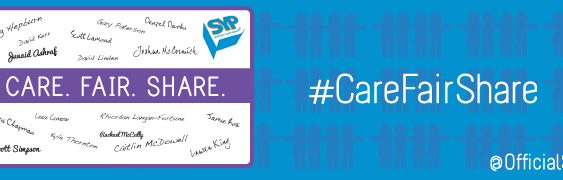
Pain Concern was at the launch of a really important campaign to support young carers on January 23. Care. Fair. Share. aims to get a fairer deal for Scotland’s estimated 100,000 young carers – equal to ten percent of the school-age population. As the annual National Campaign supported by the Scottish Youth Parliament (SYP), the initiative is in a strong position to affect positive change for this vulnerable group.

The campaign targets three areas:

  1. The Educational Maintenance Allowance which many carers lose because of problems with maintaining attendance due to care commitments;
  2. Getting more financial support for young carers struggling to afford further education;
  3. Alleviating the cost of travel for young carers who often have to make repeated journeys each day between home and their place of work or education to keep up with their care commitments.

To find out more about Care. Fair. Share. visit: syp.org.uk/care-fair-share-W21page-476-

Pain Concern is interested to hear from young carers looking after people in pain as we seek to raise awareness of this neglected issue. Please contact us on facebook, twitter or by email: comment@painconcern.org.uk

Peer Support. Join the community

“Having chronic pain is very lonely.”

Join the community

Subscribe to Pain Matters

Everything you need to know about how to live with chronic pain

Subscribe


In pain? Don’t understand what’s happening?

“Having someone to help you prepare for your life through pain”

Our Pain Education Sessions

Fundraise for Pain Concern

Help us to help others

Fundraise


How to ensure people in pain get the best treatment: a new guideline for chronic pain in Scotland

This edition has been funded by a grant from the Scottish Government.

At the launch of a new guideline on treatment of chronic pain in Scotland, Paul Evans speaks to patients and healthcare professionals about how to raise awareness and improve care.

Marion Beatson and Susan Scott describe the struggles they both endured in trying to get appropriate care after developing chronic pain. They both hope that the new guideline will help people in pain get the support they need in future by setting out clearly the treatment they can expect to receive. Marion’s daughter Chloe talks movingly about how her own life and her relationship with her mum have been affected by Marion’s chronic pain.

Norma Turvill believes the guidelines could raise awareness of the under-recognised issue of chronic pain which is still not understood by some healthcare professionals and Steve Gilbert explains how they could help transform treatment in primary care. Paul Cameron discusses the guideline’s advice on exercise and the different ways in which patients can access exercise therapies.’

Issues covered in this programme include: Raising awareness, policy, family, relationships, educating healthcare professionals, primary care, back pain, chronic primary pain, neuropathic pain, exercise therapies, physiotherapy, patient experience, young carers, voluntary organisations, employment and exercise.


Contributors:

  • Dr Steve Gilbert, National Lead Clinician for Chronic Pain, Healthcare Improvement Scotland
  • Norma Turvill, Physiotherapist and Chronic Pain Services Facilitator
  • Marion Beatson, Patient representative
  • Lesley Colvin, Chair of SIGN Guideline Group
  • Susan Scott, Patient representative
  • Paul Cameron, Pain Specialist Physiotherapist.

Peer Support. Join the community

“Having chronic pain is very lonely.”

Join the community

Subscribe to Pain Matters

Everything you need to know about how to live with chronic pain

Subscribe


In pain? Don’t understand what’s happening?

“Having someone to help you prepare for your life through pain”

Our Pain Education Sessions

Fundraise for Pain Concern

Help us to help others

Fundraise


How to ensure people in pain get the best treatment: a new guideline for chronic pain in Scotland

To listen to this programme, please click here.

At the launch of a new guideline on treatment of chronic pain in Scotland, Paul Evans speaks to patients and healthcare professionals about how to raise awareness and improve care.

Marion Beatson and Susan Scott describe the struggles they both endured in trying to get appropriate care after developing chronic pain. They both hope that the new guideline will help people in pain get the support they need in future by setting out clearly the treatment they can expect to receive. Marion’s daughter Chloe talks movingly about how her own life and her relationship with her mum have been affected by Marion’s chronic pain.

Norma Turvill believes the guidelines could raise awareness of the under-recognised issue of chronic pain which is still not understood by some healthcare professionals and Steve Gilbert explains how they could help transform treatment in primary care. Paul Cameron discusses the guideline’s advice on exercise and the different ways in which patients can access exercise therapies.

Issues covered in this programme include: Raising awareness, policy, family, relationships, educating healthcare professionals, primary care, back pain, chronic primary pain, neuropathic pain, exercise therapies, physiotherapy, patient experience, young carers, voluntary organisations, employment and exercise.

Paul Evans: Hello and welcome to Airing Pain, a programme brought to you by Pain Concern, a UK-based charity working to help, support and inform people living with pain and healthcare professionals. This edition’s been funded by a grant from the Scottish Government.

Now, the Scottish Intercollegiate Guidelines Network (SIGN) writes guidelines for people who work in the health service and patients about the best tests and treatments that are available. From 1995 to the start of 2014 136 such guidelines have been written or updated, giving advice on an extensive list of conditions. You can see the full list at the SIGN website, which is sign.ac.uk.

So, number 136, launched just a month ago in December 2013, was on the management of chronic pain. I went along to a packed event in Edinburgh and I spoke to Dr Steve Gilbert, a pain specialist in Fife, and, for the last 3 years or so, National Lead Clinician on Chronic Pain in Scotland. So, what is SIGN all about?

Dr Steve Gilbert: It’s an organization that sits within Healthcare Improvement Scotland and brings together people who have a research background, people who’ve got a clinical background, and also patients and voluntary organisations. And over the last 3 and a bit years we’ve been involved in looking at all the evidence for pain management, and this guideline is mainly to do with pain management in a non-specialist setting, so that’s in the community and primary care. And, as far as I’m aware, it’s the first national guideline on the management of chronic pain.

Paul Evans: You’ve obviously been involved in this as Clinical Lead for Pain in Scotland from the very start. How long did it take you?

Dr Steve Gilbert: Well, it all started off as a recommendation from the GRIPS report in 2007…

Paul Evans: Which was?

Dr Steve Gilbert: The GRIPS report was getting integrated with chronic pain services in Scotland, which was the fourth consecutive report into the state of pain services in Scotland. So one of the recommendations was the production of a SIGN guideline.

Paul Evans: Reports and guidelines are fantastic things, and they sit in lovely glossy brochures on desks in posh hotels in Edinburgh. How will they be used?

Dr Steve Gilbert: Well, I think that’s where we’ve got to take the information that’s in the report, and it does show that there’s quite a lack of evidence, and there’s lots of research that needs to be done. We need to take that out to practitioners in clinics. We’ve managed to establish service improvement groups, which are people from the specialist pain management services, but also from primary care, and from voluntary organizations with patient representatives and representatives from the boards, so that everybody’s got a buy-in to making sure that there’s a reliable service model for chronic pain.

And what we’ve recognized is that only a minority of patients will actually go to a specialist pain clinic, so less than 5% of people who have got a chronic pain problem will be going to see a pain specialist. And, as I often say to GPs, ‘I’m a pain specialist. Isn’t that dreadful? Everybody should know something about it!’ And so this is really our mission: it’s to make sure that there’s improvement in knowledge and skills in pain management in the whole level – so in the community, in primary care and in the pain clinics – so that the patient gets the right care when they need it.

Norma Turvill: My name’s Norma Turvill. I’m a physiotherapist, and at the moment I have a secondment with Healthcare Improvement Scotland working as a chronic pain facilitator helping the team to roll out the service development for chronic pain.

Paul Evans: So what is Healthcare Improvement Scotland?

Norma Turvill: Healthcare Improvement Scotland is a team who are tasked with looking after the health of the Scottish population, looking at every aspect of healthcare and identifying the needs, and what needs to be done, and hopefully providing it.

Paul Evans: So we’re at the launch of the SIGN guidelines today. What do people with chronic pain in Scotland need?

Norma Turvill: Guidance and help, and the profile raised – absolutely. Chronic pain is underrecognised, it’s a big problem for many people, and it isn’t given the same credence as other medical problems like diabetes, epilepsy… It’s a long term condition which many healthcare professionals aren’t aware of, comfortable managing, talking about, so this SIGN guideline today is a perfect way of raising the profile and giving people a platform to work from.

Marion Beatson: I’m Marion Beatson, and I’m a patient representative and a volunteer for Pain Concern.

Paul Evans: And we’re at the launch of the SIGN guidelines, and you’re speaking to all these professionals about it. What are you going to say?

Marion Beatson: I’m going to tell them what happened to me, and what didn’t happen to me, and being concerned with doctors not doing what they should’ve done.

Paul Evans: Right, let me start from the beginning. What did happen to you?

Marion Beatson: I was at work, and the dishwasher was broken, and I went to walk down to the other side of the kitchen, and it had flooded the whole area, and I happened to walk in it and went up into the air and came back down and landed on my back. I finished my shift half an hour earlier, and as I was walking home, it got to the stage that I couldn’t walk. That’s when it hit me, what I’d done, and what the damage – there must be something wrong.

Paul Evans: What didn’t happen?

Marion Beatson: I never got the right response from my doctor at that time. He just gave me brufen and co-codamol and says, ‘everything’s ok. It’s your back. Give it 6 to 8 weeks, and you’ll be fine.’ After 6 weeks he sent me back to work. When I said, ‘no, something is wrong’, but he didn’t listen to me, and I ended up taking more medication than I should’ve to help cope with the pain. And it took a year of me trying to work, but I couldn’t. So I ended up going on a sick.

And after a year I moved home. And it wasn’t till I went to my original doctor’s when I was growing up that he took me off everything and told me that I was overdosing and that I could’ve easily have not woke up again. So that scared me; that frightened me. And it was then that I started the process of getting information and seeing the right doctors and finding out what was wrong with me.

Paul Evans: Do you blame the medical profession that was dealing with you?

Marion Beatson: I did.

Paul Evans: Do you now?

Marion Beatson: No.

Paul Evans: Why?

Marion Beatson: I was angry for many, many years of what had happened to me, and – why me? But it took patience from the doctors and psychologists and all the nurses and everybody that helped me to realise: ‘It’s happened, there’s nothing I can do about it, and I have to accept it’.

And accepting what is wrong with you is one of the hardest things to do because you want answers. I couldn’t get answers because I had no definition of what was wrong with me. Nothing showed up on X-rays or MRIs, so it was just a case of ‘injured back’.

But it wasn’t till I had seen a neurologist that he told me about the nerve damage that I’d sustained, and that is why down my left side is not fully functioning properly. The nerves are not getting the right sensations. So because I had learned what was wrong, I accepted it a wee bit more and that was the start of the process of learning to get on with it.

Paul Evans: When you speak to these doctors and health professionals and health administrators today, do you think they’ll be surprised with your story?

Marion Beatson: Yes, because a lot of them are, as in ‘I don’t want to hear what is going on’. They want to help, the information’s there for them to do it, but all it takes is getting to know somebody with pain to make them realise: ‘Hold on a minute, right, now the process has to start of me learning what to do and how to recognise it.’

Paul Evans: You’ve brought Chloe, your daughter, and David, your husband, along with you. Why have you done that?

Marion Beatson: Because I want them involved in what is wrong – going on with me, and for them to learn that it’s affected them as much as it’s affected me. They’ve got a right to say how it’s affected them.

Paul Evans: Are they aware that it’s affected them?

Marion Beatson: My husband isn’t. My daughter is, yes.

Paul Evans: Why not your husband?

Marion Beatson: He sees it as being, as long as I’m alright, he’s ok.

Paul Evans: You’re all in this together.

Marion Beatson: Yeah. He’s my carer, but he’s not classed, as in, legally, as my carer.

Paul Evans: And Chloe, she’s 14?

Marion Beatson: She’s 14, yes.

Paul Evans: Is she your carer?

Marion Beatson: I try not to class her as that, because I don’t want her to be classed as a carer.

Paul Evans: But is she?

Marion Beatson: She says she is, but I keep saying she needs to do more housework. (laughs)

Paul Evans: But that’s just mums and 14-year-olds…

Marion Beatson: Yes, that’s mums and 14-year-olds, yes, yes. She actually does look after me, yes. She’s very thoughtful when it comes to things – and plus she is – she was 2 years old when I had my accident. So, she hasn’t known me any other way. And when other people talk about me as in being the ‘old Marion’, the one that was fun-loving and dancing all the time, and never in, it’s a case of ‘you don’t know – your mum used to do this, your mum used to do that’, and she gives it, ‘well, I don’t know’. She is hearing another side of me but she’s never seen that side of me. And she can’t imagine it.

Paul Evans: She sees the mums of her friends…

Marion Beatson: Yeah.

Paul Evans: …who can do these things…

Marion Beatson: Yeah, she really notices that. That upsets me more than anything else. It’s because I can’t do what they do. And she accepts it. She’s like ‘It’s ok, mum. I don’t need that; I don’t need to do that.’

But there is a time that I would love to say, ‘somebody’s gonna come pick her up’, and just take her. I actually went to a JLS concert with her one Saturday night, and it was for her birthday, and I say ‘take anyone you want to’, and she says, ‘mum, I want you to come with me.’ And I had a ball! I loved every minute of it. And she… because I was there and I was integrating with her, she just went in a wee world of her own. It was wonderful to see. It was the happiest I’ve seen her in a long, long time. So I enjoyed it because it made her happy.

Paul Evans: Marion Beatson. And we’ll get Chloe’s response after mum has addressed those at this launch. But here is Dr Lesley Colvin. She’s a pain consultant and chaired the development group for these SIGN guidelines.

Dr Lesley Colvin: To give you a little bit of the history of why we’re here, when this chronic pain steering group was first set up by Pete Mackenzie, oh, 7 or 8 years ago, one of the aims of that was to make sure that services nationally were providing equitive access to good chronic pain services. As part of that, there was a recognition that we actually weren’t quite sure what good chronic pain services consisted of, and what we should be providing, because, there was no good overall review of the current evidence.

There was a huge amount of literature out there, and it’s going through and it was assessing what the quality is, and producing a guideline using the very strict SIGN methodology which is internationally recognised as producing quality guidelines. And I think that will be very useful for all health boards. And I think we’re in a unique position that we’re not… haven’t just produced the SIGN guideline, it’s number 136, there’s lots of SIGN guidelines, but we’ve also produced it at the same time that every health board in Scotland has central funding to set up the service improvement group. And there’s a huge amount of enthusiasm from the healthcare professionals involved in chronic pain services to improve the service and provide the best practice in their local area.

However, having said that, you know, if you don’t know what best practice is, it’s difficult to do it, so I think the SIGN guideline will help to underpin that. And looking at the key recommendations and breaking it down into delivering those key recommendations at health board level through the service improvement groups should help to move a step towards, perhaps not perfection, but certainly a step towards providing good quality care throughout Scotland in all the health boards, regardless of where you happen to live.

Dr Steve Gilbert: Patients have been brought in to help and to design this service model, so that’s mainly been, in this service improvement group, trying to recruit somebody who’s been in the specialist pain service and has some experience of pain management approach. But we’ve also had a lot of assistance from yourselves in Pain Concern and Pain Association Scotland, so voluntary organisations have obviously got a lot of fair patient user involvement. And in Scotland, we’ve got the Alliance which is a coalition of the voluntary organisations in Scotland, and that’s been really helpful in getting the patient voice in there.

Paul Evans: In what way?

Dr Steve Gilbert: When we’re working in pain management, we can be very focused on trying to get more services, so we want more time to see our patients, we want more staff in the clinics, and we want proper funding, and so on. And what we’ve realised, in fact, is that to manage most people’s pain, what we need is just the right knowledge and advice.

If we just took it from a service pain specialist point of view, we would have lovely shiny clinics with only a few people coming to see us, and the majority of people would still be wandering around with their chronic pain, not knowing what to do.

Susan Scott: My name’s Susan Scott. I suffer from chronic pain and I have done for 18 years, but I also – in my other life, I’m a community dental officer, working in Cumbernauld, part-time now.

Paul Evans: Now, you were addressing the launch of the SIGN guidelines in Edinburgh today. What were you telling them?

Susan Scott: I was telling them about my story, which started 18 years ago, what happened and what my experiences have been in the NHS with the pain service. Eighteen years ago it was quite difficult, because there wasn’t a lot of pain services in Scotland. I had an operation on my spine, which was successful, but left me in pain, and you were just left to get on with it.

It was about 5 years before I found out about a pain management programme, and it just was by chance. It was the year 2000, I was having a bad flare-up, and my brother-in-law looked online to find out if he could do something to help me, and he spoke to a man online from down South who mentioned pain management programmes, and mentioned there was one in Scotland, in the Astley Ainslie in Edinburgh. We got the details, and I took it to my GP. He didn’t even know anything about the course, but he quite happily referred me.

And I went to the course, learned about pain management techniques, pacing, goal setting, relaxation, met a lot of people in similar circumstances, and that sort of changed my outlook of the whole thing, and improved my life greatly, and really has made me stay as active and stayed at work as I possibly can.

Paul Evans: Did you have to give up work at one point?

Susan Scott: I did. When I first prolapsed my disc, I was working for a health board as a dentist, working with children in special needs. And I had to give up clinical dentistry for two years.

Luckily, my bosses in NHS Lanarkshire have been absolutely brilliant to me. And after I had my operation, it was about a year since I had been off work. They couldn’t give me my dental job back. But one of the doctors at the hospital suggested to them: ‘could they keep me on in some other way?’

So for a year I did dental health education: going to schools and talking to pupils in primary schools, which was quite daunting: I was used to talking one-to-one. When you’re facing a class full of primary sevens, I didn’t know what terminology to speak to – so I learned quite a few new skills.

And I did that for a year, and after that the neurosurgeon okayed it for me to try clinical dentistry, my work allowed me to try and very kindly found a couple of half-day sessions for me to start with, and then I got back into dentistry that way.

Paul Evans: So this is good employers valuing you and finding a way of getting you back to work.

Susan Scott: Yes.

Paul Evans: Susan Scott.

Paul Cameron is the clinical lead specialist physiotherapist for the pain service in Fife. He’s also a researcher at the medical research unit at Dundee University and, as one of the members of the SIGN guideline development group, he looked specifically at the relevance of physical therapies in the management of chronic pain.

Paul Cameron: The question was looking at whether physical therapies were recommended or useful in the treatment of chronic pain, and what type of physical therapies there were, and did they give up to 50% pain relief. And the answer was largely yes, that they did help, particularly exercise, use of some manual therapies in certain circumstances.

Looking at the evidence of course, it’s like anything with guidelines: we have to stick to a certain level of evidence and one of the things that was recognised I think throughout the guidelines was that a lot of work has been done, but often doesn’t quite reach the standard of scientific evidence that’s required to get into a guideline. So as other key questions found, there was evidence found, we were able to make some recommendations, but also recognised that some work still needs to be done.

Paul Evans: But you’re a physio, did you really need the academic proof that physical activity is good for people with chronic pain?

Paul Cameron: I think, like anyone who’s a clinician in any area, you have got instincts, but sometimes, particularly in a world now where evidence-based medicine is really the driver for many services, it’s important to do that work, not only to find out what evidence is available, but also to find out what evidence isn’t available, and equally to make sure that research and work is done into those areas.

So yes, as a physiotherapist, I’m obviously thinking, of course, physical activity is useful, but, as an academic, I’d like to see the evidence for that a bit more robustly. And the physical therapies section wasn’t about physiotherapy, which is a profession, it was about physical therapies, and it’s not just physiotherapists who deliver that.

Paul Evans: Who else delivers it?

Paul Cameron: Well, a number of professionals: exercise therapists, sports therapists… I mean, when you’re talking about a guideline with a recommendation about exercise, that would include going down to your local gym. And part of it is around the evidence as what type of exercise, but equally it’s about encouraging those clinicians that are going to be using these guidelines to encourage their patients.

Paul Evans: I mean, certainly where I come from in South Wales, I was prescribed, if you like, exercise in my local authority leisure centre. I had a personal trainer, and I could go to the gym for 6 months. I would have loved to have been supervised by a physio, but is that the sort of thing you’re talking about?

Paul Cameron: It’s a bit of a mixture. When you look at the span of chronic pain and patients who have chronic pain, you have those that can manage quite well actually without any professional help, equally you’ll have those at the other end of the spectrum that need quite a lot of help, and when I say help, I mean actual support. A lot of the time there’s people that are scared as to what might happen when they carry on exercise, and in many cases the physiotherapist’s role is to, as you say, prescribe exercises that are a little bit more specific. And that might be taking it to count other comorbidities and other problems that patients may have.

But equally for those patients at the end of the spectrum where they can manage quite well, those people are encouraged to do more exercise in their local health centre. Where the difficulties may lie are the exercise therapists or the gym instructors being wary themselves about giving the wrong exercise and that… I hope that some of these guidelines will help with that as well.

Paul Evans: How will you get it into their hands, do you think?

Paul Cameron: Obviously, dissemination, it’s one of these things that it requires a lot of people to be involved. Today is a good example of that. If you look at the list of the delegates at the event, it’s not just clinicians, it’s also patients, it’s patient interest groups, it’s charities, like yourselves, and we’re hoping that everybody is involved in passing these guidelines out.

Paul Evans: Paul Cameron.

There are full details of the SIGN guidelines for the management of chronic pain at the website sign.ac.uk. But also launched at this event was a new website at chronicpainscotland.org, that’s one word, chronicpainscotland.org. And that’s a central resource for people with pain, service user groups, and for other healthcare professionals not directly associated with the management of pain. Both sites are a mine of information, not just for people living in Scotland, but for everyone associated with the pain community wherever you are.

Pain Concern’s usual small print is that whilst we believe the information and opinions on Airing Pain are accurate and sound, based on the best judgements available, you should always consult your health professional on any matter relating to your health and wellbeing: he or she in the only person who knows you and your circumstances and therefore the appropriate action to take on your behalf.

Now don’t forget that you can still download all 52 editions of Airing Pain from painconcern.org.uk or you can obtain CD copies direct from Pain Concern. Please do visit the website, where you can find all sorts of essential information about pain management, including details of Pain Matters, our magazine that complements and expands on issues covered in Airing Pain. As well as in paper form, Pain Matters is now available as a digital download. For those who use media on computers, tablets, smartphones, the digital editions are not only a more convenient way of receiving your copy of Pain Matters, but they also offer an enhanced user experience with links to audio and other relevant information. So please, do check it out at the Pain Concern website: once again, it’s painconcern.org.uk.

Now, earlier we heard from Marion Beatson who’s lived with chronic pain for many years as she was about to address the delegates at the launch of the SIGN guidelines for the management of chronic pain. And I promised I would get 14-year-old daughter Chloe’s response.

Chloe…

Chloe Beatson: Hello.

Paul Evans: We’ve just heard mum speak. What did you think?

Chloe Beatson: I thought she was absolutely fantastic.

Paul Evans: What was the best thing she said?

Chloe Beatson: The bit where she said I used to run my finger down her back and set her nerve’s off, ‘cause that’s very true.

Paul Evans: So, how do you help her?

Chloe Beatson: Well if she’s sore, I’ll sometimes rub her back. If not, I’ll try and do anything to help her, like I’ll make her a cup of coffee or whatever.

Paul Evans: Do you do the housework for her?

Chloe Beatson: Sometimes.

Paul Evans: But you just told me you don’t clean your room!

Chloe Beatson: My room’s normally tidy, but it’s more, I do the hoovering, and sometimes I do the dishes.

Paul Evans: So do you think you’re one of mum’s carers?

Chloe Beatson: I’d say my dad’s more my mum’s carer, but I still help, ‘cause I’m still having to try and go through school as well, and it’s being young and still having a life, if you know what I mean. But, no, I still like to help my mum, because if I don’t help her, I know she’s in much more pain which makes me feel worried whenever I see her.

When I was really young – like, I understand now that I’m older – but I used to look at my friends, and they’d all be going on holidays with, like, the rock climbing and the cycling and big pools, and I’ve never been able to experience that because my mum’s in pain. And I understand now why not, but it still doesn’t take away the fact of, I’d still like to do it. Even though I can’t do it, though there’s some other things we can do, but it’s not as good with my age, if you know what I mean. It’s kinda more my mum and dad, but I still love her.

Paul Evans: I can tell that. You went to see JLS last Saturday, didn’t you?

Chloe Beatson: Yes, how did you tell? (laughs)

Paul Evans: And you took your mum.

Chloe Beatson: Uh-huh.

Paul Evans: I know when I was 14, I…

Chloe Beatson: It was uncool.

Paul Evans: Uncool didn’t come into it. If I played, then they wanted to come… mum said she had an absolute ball of it.

Chloe Beatson: Uh-huh. We had a great time. We had to get moved seats, because there were so many stairs, but the people in the Hydro were very nice and moved us down to the disabled bit, and my mum had a chair if she needed it, and we had the whole floor to ourselves, had an absolute ball.

Paul Evans: You obviously feel very comfortable with mum.

Chloe Beatson: Uh-huh. I wouldn’t be able to cope without her.

Paul Evans: Do you think you have such a good relationship with mum because of her pain?

Chloe Beatson: I think so, ‘cause if she didn’t have her pain, she’d be at work. But now that my mum’s in, if I’d had a bad day at school, I’ve got someone there right away, I can tell my mum all my problems and stuff. But I worry whenever she takes a flare-up or something, because I don’t know how she feels, it’s kinda scary now when I see her.

Paul Evans: And when was the last time she had a flare-up?

Chloe Beatson: About 2-3 weeks ago.

Paul Evans: What did it look like to you?

Chloe Beatson: It was like she was taking spasms, but now I understand where it’s coming from, and the fact of, she just can’t stop it. It makes you feel as if, why can’t I take some of that away? But she has to live with it and she deals with it quite well.

Paul Evans: She is a very impressive lady.

Chloe Beatson: Yes.

Paul Evans: With all the educational stuff, and spreading the good message about proper pain management, are you proud of her?

Chloe Beatson: I’m very proud of her. She’s out of the house, like, a lot now. I don’t see her much, but I’m very proud of her when I hear that she’s on the radio, or she’s like – today, she’s done her speech, and I’ve had the opportunity to see her, and she’s just made me so proud.

Paul Evans: Now, I know that she asked you to write something about what the pain means to you, and what your relationship with mum’s pain is. What did you say?

Chloe Beatson: I kinda said stuff like, when I was young, I never understood, but seeing her now, I know that it’s made her a better person, and I don’t know what life would be like without my mum having the pain. I know it sounds kinda cruel, but I think life would be completely different, and I’m starting to get to grips with the fact that my mum’s got this ‘till the day she dies. And I hope to be there with her to help her through it.

Paul Evans: Do you think it’s made you a better person?

Chloe Beatson: Yes, as I’ve got older. Like, all my other friends get whatever they want from their mums, or their mums will take them wherever, but with my mum, I just go out on a walk with her. Makes me feel as if I’ve got more time with her, makes me feel special. Like, the JLS concert was the best night I’ve had in years, and to be able to spend that with my mum’s fantastic.

I think I see things a bit better, if you know what I mean, like, the bright side of things, ‘cause I’ve always been told I’m an optimistic one, because whenever I see my mum, and I see that she’s having, like, a bad day, I’ll try whatever to make her day better. So whenever one of my friends are having a bad day, I’ll do whatever I can to try and cheer them up or cheer them on for whatever they’ve got, ‘cause it’s not fair, if you feel bad, you need to have an optimistic mind to make the day better.

Paul Evans: What’s the best thing about mum?

Chloe Beatson: That I can tell her everything. She’s, like, my wee person that I throw everything upon. And she’ll always make me feel better and give me a cuddle when I need it.

Paul Evans: That’s Chloe Beatson. Later in the year, Pain Concern will be running a campaign of support for young adult carers like Chloe. But the last words from this launch of the SIGN guidelines for the management of chronic pain go to mum, Marion. Will the guidelines change things for the better?

Marion Beatson: I hope so, maybe not right away. It is going to take time. But we have to look to the future and the people that we can help in the future, starting now. And the more information we have and we pass on to them, especially patients, patients have to be involved, because we are the ones that know exactly what is going on with their bodies, in their minds, and everything else. And if we all work together, hopefully, cross fingers, people will get the help that they need, and they won’t have the long-term psychological damage that it can do to a person.


Contributors:

  • Dr Steve Gilbert, National Lead Clinician for Chronic Pain, Healthcare Improvement Scotland
  • Norma Turvill, Physiotherapist and Chronic Pain Services Facilitator
  • Marion Beatson, Patient representative
  • Lesley Colvin, Chair of SIGN Guideline Group
  • Susan Scott, Patient representative
  • Paul Cameron, Pain Specialist Physiotherapist.

Peer Support. Join the community

“Having chronic pain is very lonely.”

Join the community

Subscribe to Pain Matters

Everything you need to know about how to live with chronic pain

Subscribe


In pain? Don’t understand what’s happening?

“Having someone to help you prepare for your life through pain”

Our Pain Education Sessions

Fundraise for Pain Concern

Help us to help others

Fundraise


Ruth Tickner describes how pain ‘crept up on her’ over the course of several years and the blind alleys and frustrations she had to face before beginning to rebuild confidence in her body and faith in her future

Pain crept up on me. I have a significant mobility impairment and a curved spine, but I had only experienced the random aches and pains of walking with an abnormal gait. However, about 5 years ago I had the office winter cough and cold and while I was ill began to notice that my thumb joints had started to hurt. I assumed this would stop once I got better but it didn’t and in fact got worse.

 After many months I followed this up with the GP and a physiotherapist and had acupuncture regularly to relieve the symptoms. Looking back it seemed to be from that time onward I began to ‘chase’ short lived inflammation sites around my body. Eventually it settled into stiffness in the lower back which progressed slowly but surely over the next two years into a persistent and increasing pain in my left hip.

I tried physiotherapy and took anti-inflammatory tablets for longer and longer periods of time, which made little difference to the pain, but had troubling side effects. I found it particularly difficult in the morning as it hurt more then and I started to go to bed later and get up earlier to try to keep on top of the discomfort. I felt ever more frantic about my ability to continue normal day to day activities at work and at home. I became over-tired, very grumpy and lost weight.

 Each medical appointment and referral process with the GP and hospital took weeks and resulted in hardly any useful information and no positive improvement in my condition. Finally, through contact with an orthopaedic surgeon – a friend of a friend – I was referred to a musculoskeletal specialist. He explained Myofascial Pain Syndrome to me and somehow managed to convince me that I could someday be well again.

It certainly has not been a smooth ride over the last 18 months. I decided that relentlessly keeping going hadn’t helped me in any way and I took extended sick leave from my job – something I had hoped never to have to do. Slowly, over the months, the pain and my absolute terror has subsided and I have regained some confidence in my body and faith in my future.

 Thankfully I have managed this with minimal medical procedures and my musculoskeletal doctor has set me a challenge for 2014 – I am to learn to breathe using my diaphragm and not my chest muscles. Shallow breathing, he says, will have contributed to my thumbs hurting in the first place!

My GP has always been supportive but in general I have found interacting with the NHS frustrating. In fairness, I don’t think I was ever sufficiently clear about either the effect of the pain on me or what I would like to see done about it. I am sure I would approach the same situation very differently next time. I understand pain to be a complex condition but I am certain that my experience would have been less distressing and probably resolved more satisfactorily if there were specialist pain consultants available to offer support from an early stage.

Peer Support. Join the community

“Having chronic pain is very lonely.”

Join the community

Subscribe to Pain Matters

Everything you need to know about how to live with chronic pain

Subscribe


In pain? Don’t understand what’s happening?

“Having someone to help you prepare for your life through pain”

Our Pain Education Sessions

Fundraise for Pain Concern

Help us to help others

Fundraise


Mewnwelediadau ymarferol a phrofiadau newid bywyd ar gwrs rheolaeth poen yn y gymuned

Cefnogwyd y prosiect darlledu a chyfieithu hwn gan Ymddiriedolaeth Oakdale.

To listen to the programme, click here.

Yn rhaglen flaenorol Airing Pain buom yn archwilio manteision ac anfanteision cymryd rheolaeth poen i mewn i’r gymuned. Y tro hwn mae Paul Evans yn teithio i Bowys – y sir gyda’r boblogaeth leiaf yng Nghymru – i weld sut mae rheolaeth poen cymunedol yn gweithio’n ymarferol yn y rhaglen sy’n cael ei rhedeg gan Ysbyty Gymunedol Ystradgynlais.

Bydd arweinydd y cwrs, Gethin Kemp yn esbonio bod y dull cymunedol yn caniatáu i dechnegau rheolaeth poen fod ar gael i bobl sydd methu mynd ar y rhaglen breswyl. I bobl lle mae poen wedi cymryd drosodd eu bywydau mae’r cwrs yn cynnig strategaethau i ymdopi â phroblemau emosiynol, yn cynyddu eu lefelau gweithredu trwy gymryd pethau’n araf a thrwy gael noson dda o gwsg.

Mae’r rhai sy’n cymryd rhan ar y rhaglen, Toni a Nia, yn esbonio beth maen nhw’n obeithio ei gael ohono. Byddwn yn clywed oddi wrthyn nhw eto ar ddiwedd y cwrs wyth wythnos pan fyddan nhw’n adlewyrchu ar y datblygiad maen nhw wedi ei wneud – o ddysgu cyfathrebu’n fwy effeithiol i ailddarganfod cariad at arlunio.

Paul Evans: Rydych chi’n gwrando ar Airing Pain (Sôn am Boen), yn dod atoch dan nawdd Pain Concern, elusen yn y DU sy’n gweithio i helpu, cefnogi a rhoi gwybodaeth i bobl sy’n byw mewn poen, ac i weithwyr iechyd proffesiynol. Paul Evans ydw i, ac arianwyd y darllediad hwn gan grant Gwobrau i Bawb (Awards for All) o Gronfa’r Loteri Fawr yng Nghymru.

Yn rhaglen flaenorol Airing Pain, clywsom drafodaeth o Gyfarfod Gwyddonol Blynyddol Cymdeithas Poen Cymru. Roedd yn archwilio manteision ac anfanteision o ddod â gwasanaethau poen i’r gymuned ble mae’r cleifion yn byw. Wrth gwrs, yng Nghymru, fel yn Lloegr, Iwerddon a’r Alban, mae ardaloedd gwledig enfawr ble mae’n anodd, neu’n amhosibl, i gleifion deithio i brif ganolfan. Felly’n dilyn y drafodaeth yna, ymwelais i â rhaglen rheolaeth poen yn Ysbyty Gymunedol Ystradgynlais. Roedd Ystradgynlais yn bentref glofaol yn sir enfawr gwledig Powys. Dyma un o’r deunaw rhaglen rheolaeth poen i bobl â phoen cronig a/neu llesgedd sy’n cael eu rhedeg bob blwyddyn gan ganolfan rheolaeth poen a llesgedd yn Ysbyty Bronllys yng nghanolbarth Cymru. Rhoddodd Pain Concern sylw i’w rhaglen breswyl tair wythnos ar Airing Pain (rhaglen 5). Gallwch lawrlwytho honno o wefan Pain Concern, sef painconcern.org.uk. Felly ar ôl gadael i’r cyfranogwyr setlo i lawr yn yr wythnos gyntaf, ymunais i â nhw ar ddechrau eu hail wythnos allan o wyth, ond cyn eu cyfarfod, gofynnais i’r ffisiotherapydd Gethin Kemp, un o arweinwyr y rhaglen, pa mor bwysig ydy cael y cyrsiau rheolaeth poen a llesgedd hyn o fewn y gymuned.

Dr Gethin Kemp: Fel rydych chi’n ymwybodol, rydyn ni’n rhedeg rhaglen rheolaeth poen a llesgedd ym Mronllys, ar gyfer pobl sy’n dod i aros gyda ni. Ond mae llawer iawn o bobl sydd â bywydau prysur sydd methu, neu ddim yn fodlon, rhoi’r amser, am ba bynnag rheswm, i fod oddi cartref ar y mathau hynny o gyrsiau eithaf dwys. Mae hyn yn galluogi pobl i, alla i ddim dweud ei fod ar stepen eu drws, i gael mynediad i gwrs sy’n weddol agos, ble gallan nhw ryngweithredu a chael rhyw lefel o strategaethau rheoli er mwyn parhau i gael ansawdd bywyd da. Ond pan na allan nhw gymryd yr amser, neu’n methu cymryd yr amser, i ddod ar raglen breswyl, mae hefyd yn bwysig bod gweithwyr iechyd proffesiynol yn gallu cyfeirio at hwnnw oherwydd mae pobl ar goll ynghylch beth i’w wneud, oherwydd mae cydrannau seico-gymdeithasol, mae cydrannau straen, mae’r holl gydrannau eraill hyn yn effeithio ar bobl mewn poen cronig a llesgedd cronig. A’n harbenigedd ni ydy helpu pobl gyda’r problemau penodol hynny: pan fo eu hwyliau yn effeithio arnyn nhw, pan fo eu rhyngweithredu cymdeithasol yn effeithio arnyn nhw, yr holl bethau yna. A does gan therapïau eraill ddim yr amser, neu efallai’r sgil i allu rheoli’r rheiny yn y modd rydyn ni’n gallu gwneud.

Evans: Peth pwysig arall i bobl ei gofio ydy, i’r rhai sydd ddim yn gyfarwydd â daearyddiaeth Cymru cystal â chi a fi, mai Powys ydy’r sir fwyaf yn ddaearyddol yng Nghymru.

Kemp: [yn chwerthin] Ydy, mae hi.

Evans: Gyda’r boblogaeth leiaf. Alla’i ddim cofio beth yw’r ystadegau, na’r nifer o ddefaid i bobl [Kemp yn chwerthin], ond mae’n uchel iawn. Felly mae’n rhaid i bobl deithio pellteroedd maith gyda chydig iawn o drafnidiaeth gyhoeddus, er mwyn cael help.

Kemp: Ie, ie. Ac wrth gwrs mae arian yn fater pwysig i bobl oherwydd yn aml mae pobl â phoen cronig a llesgedd cronig wedi gorfod rhoi’r gorau i weithio neu’n bendant mae potensial ennill arian wedi ei gyfyngu, iddyn nhw.

Evans: Dyna Gethin Kemp, un o arweinwyr y rhaglen rheolaeth poen a llesgedd yn y gymuned yn Ystradgynlais yng nghanolbarth Cymru. Un o’r cyfranogwyr oedd Toni Williams.

Toni Williams: Mae gen i syndrom cydymdeimladol dystroffi atblygiad, sydd fel rhyw fath o sglerosis ymledol (MS – multiple sclerosis). Mae gen i sbondylitis pelfig. Mae gen i tenosynofitis yn y droed dde, ac nid yw’r pedwerydd a’r pumed disc yn fy nghefn yn gyflawn sy’n achosi clunwst (sciatica) ac eitha lot o boen cefn hefyd.

Evans: Mae hynny’n eitha rhestr. Am faint ydych chi wedi cael y cyflyrau hyn?

Williams: Ers 1996, dyna pryd ddechreuodd e.

Evans: Nawr mae hynny’n ddwy flynedd ar bymtheg. Felly dwy flynedd ar bymtheg yn ddiweddarach rydych chi’n dod ar raglen rheolaeth poen.

Williams: Ydw. Ces gynnig hwn, i ddweud y gwir, ym Mronllys ond roedd yn rhaid i chi aros am bum diwrnod ac yna dod gartref dros y penwythnos. Gyda phlant bach, er na allwn i wneud llawer gyda nhw, roeddwn i’n dal yno. Redden nhw angen mami, roedd mami yno. Felly pan oedd y rhaglen yma ar gael oedd yn caniatáu i mi fynd gartref, cymerais y cyfle a meddwl ‘Wel, pam lai? Rydw i wedi byw gyda hwn yn ddigon hir.  Mae angen cael rhywun arna i i ddysgu i mi sut i fyw gyda hwn am amser hir oherwydd dydy e ddim yn mynd i ffwrdd.’

Evans: Mae hynny’n ddiddorol. Rydych chi wedi dysgu sut i fyw gydag e, heb gael gwellhad.

Williams: Pe bai gwellhad, pe bai tabled neu ddull neu lawdriniaeth ble gallwn i fynd i gael gwellhad o bopeth a mynd yn ôl i weithio, a byw’r hyn a edrychir arno fel bywyd normal, yna mi faswn i, oherwydd amgyffred pobl eraill; pan rydych chi’n edrych arna i, dydw i ddim yn edrych fel bod dim byd o’i le arna i.

Evans: Ni fydd pobl sydd heb boen cronig yn deall yn iawn sut mae poen yn effeithio ar eu bywyd cyfan, a’r bobl o’u hamgylch, yn hytrach na dim ond cael cefn drwg.

Kemp: Mae’n debyg y gallech ei gyffelybu i rywun yn swnian yn ddiderfyn, mewn ffordd sy’n cnoi. Ac eto, gyda llesgedd, byth yn teimlo bod gennych chi, neu’r gallu, i gynhyrchu’r egni i wneud beth bynnag rydych chi’n dymuno ei wneud. Ac mae’r math yna o gnoi a swnian yn gysylltiedig hefyd â cholli’r hyn yr hoffech ei wneud ac mae’n gysylltiedig ag ofn o’r hyn mae’r boen yna yn ei olygu, oherwydd fel arfer, mae poen a llesgedd, fel mae’n digwydd, yn arwyddion argyfwng i ddweud bod rhywbeth o’i le.

Felly rydyn ni wedi’n dylunio, os hoffech chi, i ymateb yn ofnus i boen ac i ymateb i boen mewn modd argyfyngus, golau glas yn fflachio. A phan mae hynny’n digwydd, wrth gwrs, mae popeth yn dod i stop, mae bywyd yn stopio wrth i ni geisio cael gwared â’r boen, wrth i ni geisio cael gwared â’r llesgedd. Ac felly mae pobl wedi eu carcharu yn y cylch parhaus hwn. Mae wedi cymryd drosodd eu bywyd. Mae wedi cymryd drosodd eu meddwl. Does dim, byd mwy i’w bodolaeth oherwydd poen yw ei bywyd. Dydw i ddim yn golygu hynny mewn ffordd feirniadol – ond ei fod yn ymddangos fod poen wedi cymryd drosodd.

Williams: Mae wedi effeithio ar fy mywyd yn fawr iawn. Tasgau bob dydd; codi o’r gwely yn y bore, i bethau normal bob dydd fel codi yn y bore gyda chur pen a pharhau gyda threfn arferol dyddiol y tŷ – i mi mae hynny’n faich, dim ond meddwl amdano.

Mae’n effeithio ar eich meddwl hefyd. Mae’n chwarae triciau ar eich meddwl. Ceisio cofio rhywbeth syml fel rheiddiadur – dim ond ceisio cofio. Rydych chi’n edrych ar y peth yna a dydych chi ddim yn gwybod beth yw’r gair amdano. Dydych chi ddim yn gallu rhoi yn eich meddwl mai rheiddiadur ydy hwnna ac mae’n rhaid i chi gael hynny allan. Mae mor rhwystredig.

Evans: Mae’n llawn embaras hefyd?

Williams: Ydy, mae e.

Evans: Yn enwedig gydag enwau.

Williams: Ydy mae e. Rydych chi’n gweld cymydog; mae ffrind i’r cymydog wedi galw. Rydych chi’n gwybod pwy ydyn nhw, rydych chi’n gwybod eu henw, ac rydych chi’n gwybod ble maen nhw’n byw. Ond dydych chi ddim yn gwybod sut i’w ddweud, dydych chi ddim yn gallu.  Dydy’ch ymennydd chi ddim yn dweud wrthych chi beth rydych chi angen ei ddweud.

Evans: Beth mae pobl o’ch amgylch chi – eich ffrindiau a’ch teulu – yn meddwl o’ch cyflwr?

Williams: Dydw i ddim yn hoffi’r tosturi. Maen nhw’n trio helpu, maen nhw’n trio deall ond gall neb ddeall sut beth ydy’r boen, sut fath o deimlad ydy e, pa mor unig rydych chi’n teimlo ambell waith. Dydyn nhw ddim yn deall. Gallan nhw ddim deall oherwydd dydyn nhw ddim yn byw gyda’r boen, dydyn nhw ddim yn byw yn eich corff chi, felly mae hwnna’n gwestiwn anodd.

Evans: Ymhen chwech wythnos, beth hoffech chi fod wedi ddigwydd?

Williams: Baswn i’n hoffi cael gwell amgyffred o’r hyn rydw i’n gallu ei wneud. Mae heddiw wedi bod yn ddiwrnod o gymryd pethau’n araf. Ond ambell waith rydw i wedi meddwl, ‘Fe wna’ i bopeth mewn un diwrnod ac yna fory mi wna’i orffwys’ – nawr rydw i’n sylweddoli fy mod i wedi bod yn gwneud y peth anghywir. Felly, bob tro rydyn ni’n dod yma, rydyn ni’n dysgu rhywbeth newydd, sydd, mewn gwirionedd, pe baech chi’n meddwl am y peth, yn synnwyr cyffredin. Pan rydych chi mewn poen parhaus, dydy e ddim yn bosibl i ganolbwyntio. Y cwbl rydych chi am ei wneud yw gorffen y dasg rydych chi wedi ei dechrau y gorau gallwch chi a gorffwys. Ond heddiw maen nhw wedi dweud wrthyn ni bod gwneud chydig yn aml yn rhoi deuddydd neu dri i chi o eistedd i lawr a siarad gyda’r plant, siarad gyda’ch cymydog, mynd am dro bach yn yr ardd. Dyna’r hyn rydw i’n obeithio amdano ar ddiwedd y chwech wythnos; ansawdd bywyd gwell i mi.

Evans: Mi siarada i efo chi eto mewn chwech wythnos.

Williams: Diolch yn fawr iawn.

Kemp: Mae’n bwysig bod pobl yn teimlo eu bod yn gallu dechrau symud eto, a symud mewn ffordd maen nhw’n teimlo y gallan nhw symud. Yn aml iawn bydd pobl yn dechrau gwneud ymarfer corff a bydd eu symtomau’n cynyddu a byddan nhw’n cael amser diflas iawn, mewn gwirionedd. Felly fy mhrif rôl i ydy helpu pobl i symud mewn ffordd sy’n rhywbeth i’w fwynhau, yn ymlaciol a, choeliwch chi neu beidio, yn rhoi pleser, fel bod ymarfer corff yn hwyl eto ac yn rhyw fath o ddefnyddiol. Fy rôl i ydy dechrau cael pobl i symud. Bydden ni hefyd, o safbwynt galwedigaethol, yn edrych ar roi caniatâd i bobl i allu dechrau proses o wneud yr hyn maen nhw’n ei ddymuno. Pethau fel gwneud gweithgaredd bob yn dipyn, gwneud yn siwr bod pobl yn cymryd hoe, neu’n cyfnewid rhwng gweithgareddau yn y ffordd gywir, fel nad ydyn nhw’n gorwneud. Mae hynny hefyd yn cynnwys faint o fewnbwn synhwyredd mae pobl yn ei gael ac ati, oherwydd yn aml gyda phethau sy’n achosi blinder, nid yr agwedd gorfforol ond y straen feddyliol a’r synau a’r twrw a’r agweddau eraill, felly rydyn ni’n cael pobl sy’n symud yn eu hamser eu hun, yn rheoli eu gweithgareddau, fel nad ydyn nhw’n mynd ffwl pelt ac yna wedi ymlâdd.Gwneud popeth ac yna wedi ymlâdd ydy’r syniad tu ôl i’r ddihareb cael y cynhaeaf i mewn tra bo’r haul yn tywynnu, ond bod hyn yn cael ei ddilyn gan dri neu bedwar diwrnod o lesgedd llwyr. Pan mae pobl yn gwneud hyn mae ganddyn nhw fywyd anhrefnus tu hwnt a dydyn nhw ddim yn gallu cynllunio unrhywbeth.  Felly mae gwneud pethau yn eu hamser eu hun yn rhan bwysig iawn.  Mae’n un o’r strategaethau ymarferol cryfaf.

Evans: Ac yn un o’r rhai mwyaf anodd.

Kemp: Mae cymryd eich amser yn un o’r rhai mwyaf anodd un. Yn rhannol oherwydd “Rydw i wedi dechrau, felly fe wna i orffen”, mae’r math yna o yriant yn anodd iawn…. Mae’n ffordd wahanol iawn o redeg eich bywyd. Mae’n golygu gadael tasgau heb eu cwblhau, mae’n golygu seilio tasgau ar safleoedd a gweithgaredd corfforol penodol yn hytrach na chwblhau llwyth gwaith sydd wedi ei osod, sef y ffordd rydyn ni’n hoffi bod oherwydd mae’n fwy taclus, os ydych chi’n deall be sy gen i.

Evans: Mae’n canolbwyntio ar y dasg, onid ydy?

Kemp: Ydy, ydy, hollol gywir, ydy.

Evans: Gair y foment.

Kemp: Yna rydyn ni’n edrych ar elfennau ymlacio. Os ydy pobl mewn stâd o ymladd neu ddianc trwy’r amser, bydd eu system straen yn gweithredu ar y botwm uchaf, ac yn yr hir dymor, sy’n theori llesgedd cronig – nid yr unig theori o bell ffordd – ond mae’n theori sy’n pwysleisio bod ymateb i straen yn lleihau dros gyfnod o amser, felly nid yw lefel cortisol pobl yn cydfynd â gweithgaredd mwyach. Felly, yn effeithiol, rydych chi’n teimlo’n effro pan does dim rhaid i chi, a phan fo hi’n amser i baratoi ar gyfer gweithgaredd, does gennych chi ddim egni oherwydd bod systemau amseru eich corff ddim yn cydfynd â hynny. Ac mae hyn i gyd braidd yn ddiflas hefyd, y math yna o lefel o sut mae eich corff yn cael ei ysgogi neu beidio. Dydy e ddim yn cydfynd â sut y dylai fod oherwydd mae wedi mynd braidd yn simsan, yn sylfaenol.

Evans: Felly dyna llesgedd. Beth ydyn ni wedi ei adael allan?

Kemp: Elfennau cael ansawdd dda o gwsg. Mae cwsg yn bwysig iawn, fel mae unrhywun sydd ddim yn ei gael yn gwybod. Mae gwybod am, a deall cwsg, deall cylchdroeon, deall sut i ymlacio, y mathau hynny o faterion yn eich galluogi chi i gael gwell cyfle i gael cwsg o ansawdd da, sy’n un o’r pethau mewn gwirionedd….. Rydw i’n meddwl pe bae pobl yn mesur ansawdd bywyd [mae’n chwerthin], ansawdd eu cysgu fyddai e, mewn rhai agweddau. Agwedd bwysig iawn wrth gwrs, sy’n tanategu’r egwyddor hwn; mae iddo bersbectif seicolegol cryf iawn. Y ffordd mae bioleg yr ymennydd yn gweithio, y ffordd mae bioleg poen yn gweithio, yn sylfaenol os hoffech chi, mae ein arwyddion poen yn teithio i fyny’r cefn ac yn mynd ar eu hunion i’r ardaloedd yna sy’n gysylltiedig â sut rydyn ni’n teimlo, yn gysylltieidig â bygythiad, ac hefyd gydag emosiwn. Ac os nad ydyn ni ar ben hyn i gyd, i ddefnyddio hen derminoleg, mae’r drysau ar agor i boen i ddod i mewn. Mae hynny’n derminoleg eitha hen ond yn sylfaenol, os ydy pobl yn teimlo’n ddigalon, bydd natur amhleserus y boen yn effeithio’n fwy arnyn nhw. Os ydyn nhw yn teimlo bygythiad ac yn canolbwyntio ar y boen, bydd y dwyster yn cynyddu dros gyfnod o amser. Felly mae llawer o’r hyn rydyn nhi’n edrych arno yn ymwneud â sut – y busnes derbyn yma eto – sut ei fod yn iawn i fod â’r cyflwr, ond hefyd llawer o ffyrdd o sut i weithio ar hwyliau fel bod peth gwytnwch gennych chi. Y derminoleg ydy gwytnwch emosiynol, felly pan ddaw pethau amhleserus ar eich traws mae gennych allu i neidio’n ôl o anawsterau.

Nia: Nia ydw i.

Evans: Ac rydych chi ar y rhaglen rheolaeth poen cronig yn Ystradgynlais ym Mhowys.

Nia: Ydw.

Evans: Ga i ofyn i chi pa gyflwr sydd arnoch chi?

Nia: Mae gen i boen cronig yn fy nghefn.

Evans: Ac am ba hyd ydych chi wedi cael hynny?

Nia: Dros bedair blynedd nawr.

Evans: Sut mae hynny wedi effeithio arnoch chi?

Nia: Mae wedi newid fy mywyd yn gyfangwbl.  Roeddwn i arfer â bod yn berson hyderus, yn gwneud yr hyn fyddai unrhywun ifanc yn ei wneud, mynd i glybiau, i bartïon ac yn gwneud llawer o ymarfer corff. Cyn gynted ag y digwyddodd, dechreuodd pethau waethygu nes bod fy nith chwech oed yn fy helpu i wisgo oherwydd doeddwn i ddim yn gallu gwisgo fy sannau a sgidiau mwyach, methu mynd i’r gwaith, methu gyrru, ar feddyginiaeth yn barhaus, sydd wedi ngadael i mewn niwl parhaus yn fy ymennydd. [mae’n chwerthin] Dydw i ddim yn gallu cofio geiriau hanner yr amser [mae’n chwerthin]

Evans: Beth ydy’ch oedran chi?

Nia: Tri deg un.

Evans: Mae hyn wedi’ch rhwystro chi yn anterth eich bywyd mewn gwirionedd.

Nia: Ydy, mae e. Mae wedi effeithio ar fy mherthynas gyda fy nheulu, gyda fy mhartner. Roeddwn i’n lwcus wnes i ond ei gyfarfod e bythefnos cyn i nghefn i fynd yn ddrwg. Roeddwn i’n lwcus ei fod wedi aros gyda mi ond mae ei fywyd e wedi gorfod newid i fy anghenion i, fy nymuniadau i, ddim cymaint o wneud beth mae e’n dymuno’i wneud. Mae llawer yn dibynnu ar beth alla i ei wneud, beth sy’n bosibl yn gorfforol. Gyda phriodi, plant, mae’n dibynnu ar beth gall fy nghorff ddygymod ag e yn y dyfodol.

Evans: Rydych chi’n lwcus iawn i gael rhywun sy’n amlwg yn eich caru chi ddigon i roi fyny â hynny.

Nia: [yn chwerthin] Ydw. Rydw i wedi gofyn iddo chydig o weithiau pam mae e’n dal yma ac rydw i wedi rhoi’r dewis iddo i gerdded i ffwrdd ond rydw i’n ddigon lwcus nad ydy e wedi cerdded i ffwrdd ac ydy, mae o am fy mhriodi i. [mae’n chwerthin]

Kemp: Yr hyn sy’n digwydd gyda chyflwr ydy ei fod yn eich rhoi chi mewn rôl, neu rydych chi’n cymryd rôl neu fantell arnoch eich hun, bod gennych gyflwr a phan mae pobl am newid, yr hyn maen nhw’n ei ddarganfod ydy ei fod yn eithaf anodd i newid oherwydd bod y bobl o’u hamgylch wedi newid i adlewyrchu ble roedden nhw. Felly mae’r sgiliau cyfathrebu [yn cynnwys] hyfforddiant pendantrwydd a’r mathau hynny o sgiliau rydyn ni’n siarad amdanyn nhw, a’r gallu i ddeall ac hunan-adlewyrchu ychydig mwy. Rydyn ni’n addysgu sgiliau cyfathrebu er mwyn i bobl ddechrau aildrafod eu ffiniau oherwydd, yn bendant, os ydy pobl wedi cael gofalu amdanyn nhw gan bobl eraill, os hoffech chi, ceir sefyllfa o orddibyniaeth o ran y gofalwr – maen nhw’n teimlo bod yn rhaid iddyn nhw ofalu.  Felly sut allwch chi aildrafod hynny?  Sut allwch chi aildrafod ac adennill eich annibyniaeth?

Nia: Mae e gorfod meddwl bob amser am sut rydw i’n teimlo. Os awn ni rywle bydd e’n gofyn “Wyt ti’n ocê? Allwn ni wneud hyn?” o hyd.  Mae e’n gwneud yn siwr mod i’n cymryd fy nhabledi ar amser ac os ydw i angen cymryd mwy o feddyginiaeth, bydd e’n pwyso arna’i a dweud “Falle dylet ti gymryd mwy o feddyginiaeth tro ‘ma.” Dydyn ni ddim yn byw gyda’n gilydd felly mae’n effeithio arnon ni pan rydyn ni’n gweld ein gilydd, chi’n gwybod. Rydw i’n gadael iddo fyw ei fywyd ei hun, ond oherwydd nad ydw i’n mynd allan cymaint ac mae e’n mynd allan fel arfer, mae’r ffaith ddiflas yna yn fy meddwl i, fydd e’n cwrdd â rhywun sydd ddim yn sâl a ngadael i am rywun sydd yn dal yn gallu gwneud popeth bydde fe’n gallu gwneud gyda rhywun sy’n 31 oed.  Yn 31 oed dylech chi fod yn gallu mynd allan a mwynhau eich hun a dydw i ddim yn gwneud hynny’n aml iawn nawr. [Dim ond] adegau prin iawn. [mae’n chwerthin]

Evans: Mae hynny’n rhoi pwysau enfawr ar berthynas.

Nia: Ambell waith, ydy. Chi’n gwybod, rydw i’n teimlo’n euog ac yn meddwl ‘Ddylen ni fod gyda’n gilydd? Ydw i’n dinistrio’i fywyd oherwydd ei fod ‘da fi? Alla’i roi plant iddo fe yn y dyfodol?’ Oherwydd mae e wir eisie plant, rydw i wir isie nhw. Dydyn ni ddim yn gwybod os allwn ni eu cael nhw oherwydd dydw i ddim yn gwybod fyddai ‘nghorff i’n gallu ymdopi. Mae llawer o bwysau arna i’n enwedig, mwy nag arno fe, oherwydd ambell waith dydy e ddim yn sylweddoli beth alla i ei wneud neu ddim ei wneud, chi’n gwybod. Mae’n waith caled ceisio gadael iddo fe wybod na alla i wneud yr hyn rydw i am ei wneud bob amser.

Evans: Nawr rydych chi ar fin cychwyn y rhaglen rheolaeth poen. Beth oedd eich disgwyliadau cyn i chi gychwyn?

Nia: Doedd gen i ddim llawer o ddisgwyliadau. Rydw i eisiau gweld beth fydda i’n gallu ei wneud nes ymlaen. Ar ôl un sesiwn yn unig, es i allan am benwythnos gyfan ac rydw i wedi cymryd sylw o fy mhoen ond dydw i ddim wedi gadael iddo fy rheoli i, ac hyd yn oed ar ôl un diwrnod, mae hynny wedi helpu, un sesiwn. Rydw i’n gobeithio nes ymlaen y byddai’n gallu rheoli fy mhoen yn feddyliol a pheidio â gorfod dibynnu ar dabledi oherwydd rydw i eisiau cael gwared â nhw. Felly rydw i’n gobeithio erbyn diwedd hyn y bydda i’n agos at fod heb dabledi, yn enwedig gyda’r flwyddyn newydd.

Kemp: Dioddef ydy prif brofiad y bobl sydd yn y stâd hon. Maen nhw mewn stâd o ddioddef sy’n barhaus. Mae’n effeithio ar eu hwyliau ac mae’n nhw’n ddigalon. Mae’r effeithiau hyn yn achosi effeithiau eraill. Mae eu bywydau’n eitha anhrefnus. Maen nhw’n cael diwrnodau da pan maen nhw’n gallu gwneud llawer o bethau, ac yna maen nhw’n dda i ddim – yr hyn rydyn ni’n ei alw yn ‘gorwneud a llesgedd’ – ble maen nhw’n dda i ddim am ychydig ddyddiau. Mae eu hwyliau’n mynd yn isel felly mae digalondid yn gyffredin iawn gyda phoen cronig a llesgedd cronig. Mae pethau eraill hefyd yn effeithio ar greu’r gorwneud a llesgedd yma: ysgogiad pobl, perffeithrwydd, eisiau plesio pobl eraill, y pethau bach eraill hynny. Dyna’r pethau sy’n ein rhwystro rhag gallu cymryd amser i ni ein hunain a gofalu amdanom ein hunain. Felly mae’r teimlad amdanom ni yn gywir, sef gwytnwch, ond mewn gwirionedd, peidio â chael y diafol yma ar ein hysgwyddau’n ein chwipio ni ymlaen ac yn gwneud i ni wneud pethau hyd yn oed pan nad oes unrhywun yn gofyn i ni eu gwneud nhw – mae hynny’n bwysig iawn o bersbectif rheolaeth.

Evans: Gadewch i mi fynd yn ôl i fy ngair y foment mewn rheolaeth: canolbwytnio ar y dasg. Sut ydych chi’n cael hynny allan o system rhywun? Rydw i yma i gynnal cyfweliad. Mae fy ngwar yn brifo. Ddylwn i stopio?

Kemp: Wel, fe allech chi fod wedi cael sgwrs gyda mi a chyfathrebu gyda mi [mae’n chwerthin] bod hynny’n debygol o ddigwydd a bydden ni wedi gallu cymryd pethau bob yn dipyn a dweud ‘Wel, bob rhyw bum munud, wnawn ni symud, newid lle, cael sain, lleoliad gwahanol [mae’n chwerthin] neu rywbeth felly, cael naws wahanol a bydden ni wedi gallu ei drefnu fel yna fel eich bod chi wedi gallu symud. Rhwng y symud, bydden ni wedi gallu gwneud symudiadau ymlacio, synhwyro’r holl ffyrdd rydyn ni wedi siarad amdanyn nhw am sut i ymlacio. Ond ymlacio’n gorfforol hefyd, oherwydd nid ydy ymlacio’n feddyliol o reidrwydd yr un fath ag ymlacio’r cyhyrau, felly mae dysgu sut i ymlacio’r cyhyrau ac ati yn rhywbeth rydyn ni’n ei wneud ar y rhaglen hefyd. A chymryd yr amser allan i synhwyro rhywbeth pleserus, cân yr adar, cymryd anadl dwfn ac ati, mwynhau’r awyr iach, y tywydd hyfryd rydyn ni’n ei gael yr adeg yma o’r flwyddyn.

Evans: Ie, ond mae hynny’n cymryd oddi wrtha i y ffaith fy mod yn mwynhau fy hun. Rydw i’n mwynhau siarad ‘da chi, rydw i’n mwynhau’r cysylltiad personol. Dydw i ddim eisiau meddwl, ‘Iawn, beth am gymryd amser allan o’r sgwrs hon i fyfyrio’ oherwydd mae hynny’n dwyn rhywbeth rydw i’n ei fwynhau oddi arna i.

Kemp: Os felly, o flaen llaw dylech chi fod wedi gwneud llawer o waith ar ymarfer er mwyn creu ymateb awtomataidd, os ydych chi’n deall be sy gen i, fel bod cymryd pethau yn araf ac wedi eu graddio yn dod yn rhan ohonoch a basech chi’n symud eich safle’n naturiol. Byddech chi’n sylwi’n naturiol ar y ffordd rydych chi’n dal tensiwn a basech chi’n dechrau gwneud addasiadau mewnol. Ond byddai hynny ar ôl ichi wneud y rhaglen ac efallai byddech yn ei wneud yn eitha da erbyn hynny.

Ond ar yr un pryd, rydw i am ei wneud yn hollol glir na all rhaglenni rheolaeth poen fod yn gyfrwng i helpu pobl i fyw bywyd gwirion. Dydyn ni ddim yn mynd i adael i chi gymryd paracetamol am eich cur pen a chithau’n parhau i daro’ch pen yn erbyn y wal, os ydych chi’n deall be sy’ gen i. Mae ‘na elfen ble bydd yn rhaid i arferion newid.

Evans: Dyna Gethin Kemp, un o arweinwyr rhaglen rheolaeth poen a llesgedd yn y gymuned a gynhelir yn Ysbyty Gymunedol Ystradgynlais yng nghanolbarth Cymru.

Fel arfer, fe wna’i eich atgoffa tra’n bod yn credu bod y wybodaeth a’r farn ar Airing Pain yn gywir a chadarn yn seiliedig ar y farn orau sydd ar gael, dylech bob amser ymgynghori â’ch gweithiwr iechyd proffesiynol chi ar unrhyw fater yn ymwneud â’ch iechyd a’ch lles. Ef neu hi ydy’r unig un sy’n eich adnabod chi a’ch amgylchiadau ac felly’n gallu gweithredu’n briodol ar eich rhan. Cofiwch y gallwch lawrlwytho holl raglenni blaenorol Airing Pain o painconcern.org.uk, neu gallwch gael copïau CD yn uniongyrchol o Pain Concern. Mae’r manylion cyswllt, i wneud sylw ar y rhaglenni hyn trwy ein blog, bwrdd negeseuon, ebost,  Facebook, Twitter neu ar bapur hefyd ar gael ar ein gwefan ac unwaith eto y cyfeiriad ydy painconcern.org.uk. Ac i ddysgu mwy am ganolfan rheolaeth poen Bronllys, y rhaglenni cymunedol a phreswyl maen nhw’n eu rhedeg, ewch i’w gwefan nhw – managingpain.org.uk. Unwaith eto, managingpain.org.uk.

Iawn, chwech wythnos yn ddiweddarach, Toni a Nia. Alla i eich atgoffa chi, Toni, o’r hyn ddywedoch chi chwech wythnos yn ôl? Dywedoch chi, ‘Yr hyn rydw i’n chwilio amdano ydy gwell ansawdd i’m bywyd.’

Williams: Hyd yn hyn, mae wedi agor fy llygaid i reolaeth poen: sut i ymdopi o ddydd i ddydd, dulliau gwahanol, meddyginiaeth gwahanol, sut i’w cymryd nhw. Mae wedi newid y ffordd rydw i’n meddwl am leddfu poen, rheolaeth poen ac ie, rydw i’n meddwl y bydd yn rhoi ansawdd bywyd gwahanol i mi oherwydd rydw i wedi sylweddoli ‘mod i’n colli rhywbeth rydw i’n fwynhau sef arlunio.

Evans: Ie, pan gerddais i mewn i’r grŵp bore ‘ma roeddech chi’n dangos dyfrlliw i bobl.

Williams: Ie. Pan ddaethon ni i’r cyfarfod cyntaf, gofynnwyd i ni oedd ‘na unrhywbeth roedden ni arfer â mwynhau ei wneud ac y bydden ni’n hoffi ei wneud eto, p’un ai oedd hynny’n arlunio, ysgrifennu, darllen, chi’n gwybod, cymdeithasu gyda ffrindiau a meddyliais i ‘Ie, roeddwn i arfer ag arlunio.’  A gwnes i un i fy mam, oedd hi’n ei garu – mae e ar ei wal hi. A des i â llun o’r darlun roeddwn i wedi ei wneud i ddangos i’r grŵp, ac roedd un o’r dynion yn y grŵp, Steve, wastad wedi bod eisiau cael llun o’r cawr yn cysgu (sleeping giant).

Evans: A beth ydy’r cawr yn cysgu?

Nia: Mynydd ydy e. [mae’n chwerthin]

Williams: [yn chwerthin] A gorffenais i iddo fe’r wythnos hon a des i ag e i mewn ac roedd e’n hapus iawn.

Evans: Wel, roedd e’n fwy na hapus oherwydd gwelais i hynny a chlywais i e. Ond rydych chi wedi dechrau arlunio eto oherwydd y grŵp hwn?

Williams: Ydw. Mae’r grŵp wedi nid yn unig ein hatgoffa efallai ein bod yn gallu gwneud ychydig bach mwy petawn ni’n trio. Mae’n rhaid i chi wybod eich cyfyngiadau. Dydych chi ddim yn gwneud unrhywbeth sy’n mynd i’ch brifo chi oherwydd does dim pwynt dod yma os ydych chi’n mynd i wneud ymarfer corff neu unrhywbeth sy’n golygu’ch bod yn mynd am yn ôl dair wythnos. Ond trwy wneud pethau bob yn dipyn, rhywbeth ddysgais i yn y grŵp, a dealltwriaeth o’m salwch, rydw i wedi llwyddo. Rydw i wir wedi mwynhau’n fawr a bydda i’n gwneud mwy.

Evans: Nia, os alla i eich atgoffa chi o’r hyn ddywedoch chi yr holl wythnosau hynny’n ôl. Yn gyntaf siaradoch chi am y ffordd roedd yn effeithio ar y berthynas gyda’ch teulu a’ch partner.  Ydy hynny wedi newid?

Nia: Ddim cymaint ag oeddwn i wedi gobeithio. Mae fy mhartner yn dal i feddwl ei fod yn od fy mod i’n dod yma. Ond pan eisteddais i lawr gydag e a dweud wrtho beth roedden ni’n ei wneud, dywedodd, ‘Wel, dylet ti fod wedi dweud wrtha i ynghynt a mi faswn i wedi cael mwy o ddealltwriaeth o’r hyn rydych chi’n ei wneud yn y grŵp.’ Felly wrth i mi gyfathrebu – rhywbeth ddysgais i ar y rhaglen, sut i gyfathrebu gyda fy mhartner a ‘nheulu – mae e’n deall. Faswn i’n hoffi mwy allan ohono fe, ond mae’n rhaid i mi gyfathrebu mwy, felly rydw i wedi dysgu bod cyfathrebu’n bwysig.

Evans: Felly’r broblem oedd nid ei fod e ddim yn deall ond chi ddim yn siarad ag e.

Nia: Ie, dyna ni, ie, oherwydd dydw i ddim eisiau dweud fy mhroblenau wrtho fe. Rydw i wedi dysgu, trwy’r rhaglen, ei fod yn iawn i rannu gydag e sut rydw i’n teimlo ac i rannu’r wybodaeth am y rhaglen gydag e fel bod ganddo well dealltwriaeth o’r hyn rydw i’n mynd trwyddo a’r budd rydw i’n ei gael wrth fynd i’r grŵp. Oherwydd byddai e’n dweud, ‘O, ti’n mynd i therapi.’  A baswn i’n dweud, ‘Nid cyfarfod AA ydy e.’ Ond yn y pen draw yn dweud wrtho fe, ‘Dyma beth rydyn ni’n ei wneud, dyma beth rydyn ni’n ei ddysgu, i mi mae dysgu hyn yn golygu bydd gwell ansawdd bywyd ‘da ni pan briodwn ni a chael dyfodol gyda’n gilydd.’ Felly yn raddol mae e’n deall ond mae’n broses sy’n rhaid i’r ddau ohonon ni fynd trwodd gyda’n gilydd, a byddwn ni ddim yn gallu cyflawni hynny mewn wyth wythnos. Bydd yn broses fydd yn digwydd trwy gydol ein bywydau gyda’n gilydd o siarad am beth sy’n mynd ymlaen gyda fy symtomau a sut y gallwn ni eu rheoli am y gorau gyda’n gilydd, nid fi yn eu rheoli ar fy mhen fy hun bob amser.

Evans: Ga i eich atgoffa o’r geiriau ddywedoch chi wrtha i chwech wythnos yn ôl? Dywedoch chi, ‘Rydw i’n gobeithio y byddai’n gallu rheoli fy mhoen yn feddyliol a pheidio â gorfod dibynnu ar dabledi. Erbyn diwedd y rhaglen rheolaeth poen hon, rydw i am fod yn agos at fod yn rhydd o dabledi.’

Nia: Dydw i ddim yn agos at fod yn rhydd o dabledi ond mae’r rhaglen hon wedi fy nysgu y gallaf fod yn rhydd o dabledi. Ond mae wyth wythnos yn amser gwirion i gyfyngu fy hun i geisio gwaredu fy holl feddyginiaeth gyda’i gilydd. Mae’n mynd i gymryd llawer hirach ond rydw i’n symud ymlaen trwy wneud apwyntiad gydag un o’r cynghorwyr i fy helpu i lwyddo. Fydd e ddim yn digwydd mewn wyth wythnos, rydw i wedi sylweddoli hynny. Mae’n broses hir i ddod oddi ar eich holl dabledi, ond rydw i’n iawn gyda hynny. Rydw i wedi dysgu na ellir gwneud unrhywbeth mewn byr amser.

Evans: Ydy hynny’n rhan o’r rhaglennu, os hoffech chi, y byddwch chi’n dysgu rheoli eich disgwyliadau?

Nia: Ydy, ydy, rydyn ni wedi dysgu rheoli ein disgwyliadau a’i bod yn iawn i ddweud, ‘Na, dydy hwn ddim i mi. Mae’n rhaid i mi edrych ar ôl fy hun yn well.’ Mae’r rhaglen wedi helpu rheoli’ch proses yn feddyliol.

Evans: Toni, fyddech chi’n argymell y rhaglen hon i bobl eraill?

Williams: Baswn. Pan ddechreuodd e, y diwrnod cyntaf ddes i, ro’n i’n meddwl ‘Beth ydw i’n wneud yma?’ Ond petawn i heb ddod, faswn i ddim wedi cyfarfod y grŵp o bobl yma oherwydd mi ddes i yma’n nabod neb ond yn gadael gyda llawer o ffrindiau.

Evans: Un peth arall rydw i wedi sylwi arno ydy bod llawer o chwerthin yma, hyd yn oed rhai jôcs budr.

Williams: Oes [chwerthin], oherwydd rydyn ni wedi dod i nabod ein gilydd yn dda iawn. Mae gennym ni i gyd yr un symtomau, efallai ddim yr un salwch. Rydyn ni i gyda yma am yr un rheswm, ac mae’n dda i chwerthin. Felly rydyn ni wedi dod i nabod ein gilydd, ac rydw i’n mynd i golli pawb. Heddiw ydy’r diwrnod olaf ac rydw i’n mynd i golli dod yma ar ddydd Gwener a chyfarfod pawb.

Evans: Ydych chi’n meddwl fydd hynny’n broblem?

Williams: Na, oherwydd rydw i’n siwr y byddwn ni’n gweld ein gilydd, wrth basio, yn siopa, yn y dref – wnawn ni weld ein gilydd. Yr athrawon – maen nhw ar y ffôn, felly dydych chi ddim ar eich pen eich hun. Dydych chi ddim ar eich pen eich hun. Dyma’r diwrnod olaf i ni ddod yma a chyfarfod yma, ond fyddwn ni ddim ar ein pen ein hun.

Evans: A byddwch chi’n cael gwahoddiad i ddod yn ôl mewn tri mis.

Williams: Ie, byddwn ni yn, ie.

Nia: Parti. [chwerthin]

Williams: Methu aros.

Nia: Diwrnod allan.

Williams: Ie. [chwerthin]


Cyfranwyr:

  • Gethin Kemp, Ffisiotherapydd ac arweinydd Rhaglen Rheolaeth Poen
  • Toni Williams, cyfranogwr
  • Nia, cyfranogwr.

Peer Support. Join the community

“Having chronic pain is very lonely.”

Join the community

Subscribe to Pain Matters

Everything you need to know about how to live with chronic pain

Subscribe


In pain? Don’t understand what’s happening?

“Having someone to help you prepare for your life through pain”

Our Pain Education Sessions

Fundraise for Pain Concern

Help us to help others

Fundraise


Practical insights and life-changing experiences on a community pain management course

To listen to this programme, please click here.

[For a Welsh language version of this transcript please click here.]

In the previous edition of Airing Pain we explored the pros and cons of taking pain management into the community. This time Paul Evans travels to Powys – the most sparsely populated county in Wales – to see how community pain management works in practice at the programme run by Ystradgynlais Community Hospital.

Course leader Gethin Kemp explains that the community approach makes pain management techniques available to people who are unable to undertake a residential programme. For people whose lives may have been completely taken over by pain the course offers strategies for coping with the emotional fallout, increasing their activity levels through pacing and getting a good night’s sleep.

Participants on the programme, Toni and Nia, explain what they hope to get from it. We hear from them again at the end of the eight-week course when they reflect on the progress they have made – from learning to communicate more effectively to rediscovering a love of painting.

Issues covered in this programme include: Community healthcare, remote/rural communities, pacing, emotions, mood, sleep, painting, art, activity-rest cycle, relaxation, fatigue, brain fog, memory, depression, insomnia, relationships, communicating pain and painkillers.

Paul Evans: You’re listening to Airing Pain, brought to you by Pain Concern, a UK-based charity working to help, support and inform people living with pain, and for healthcare professionals. I’m Paul Evans, and this edition’s been funded by an Awards for All grant from the Big Lottery Fund in Wales.

In the last edition of Airing Pain, we heard a debate at the Welsh Pain Society’s Annual Scientific Meeting. It explored the pros and cons of bringing pain services right into the community where patients live. Of course Wales, just like England, Ireland and Scotland, has vast rural areas where for patients to just travel to a major centre is at best punishing, and at worst impossible. So following up from that debate, I went along to a pain management programme at the Ystradgynlais Community Hospital. Ystradgynlais is a former mining village in the vast rural county of Powys. This is one of 18 community pain management programmes for people with chronic pain and/or fatigue run each year by the pain and fatigue management centre at Bronllys Hospital in mid Wales. Pain Concern featured their three-week residential programme in Airing Pain (programme 5). You can download that from Pain Concern’s website, which is painconcern.org.uk. So, having let the participants settle down in week one, I joined them at the start of their second of eight weeks, but before meeting with them, I asked physiotherapist Gethin Kemp, one of the programme leaders, how important it is to have these pain and fatigue management courses within the community.

Dr Gethin Kemp: As you are aware, we run the residential pain and fatigue management programme at Bronllys, which is for people to come and stay with us. But there’s an awful lot of people who’ve got lives to get on with, who can’t give up that time or can’t, for whatever reason, be away from home for those kind of quite intense courses. This enables people to, I can’t say it’s on their doorstep, at least access it close by, where they can actually interact and get some level of management strategies under their belt so they can carry on having a good quality of life. But when they can’t take the time or are unable to take the time to come on a residential programme, it’s also really important for the health professionals to be able to refer into that as well because people are at a loss of what to do because there are psycho-social components, there are stress components, there’s all these other components that affect people in chronic pain and in chronic fatigue. And our specialism is to help people with those particular issues: where their mood’s affecting them, where their social interactions are affecting them, all those kind of things. And other therapies won’t have the time or probably the skill set to be able to manage those in the way that we do.

Evans: Another important thing for people to remember, for those who don’t know the geography of Wales as well as you and I do, Powys is the largest geographical county in Wales.

Kemp: [laughs] It certainly is, yes.

Evans: With the smallest population. I can’t remember what the statistics are, or the number of sheep to people [Kemp laughs], but it’s very, very high. So people have to travel vast distances with very little public transport to receive help.

Kemp: Yes, yes. And of course finances are quite an issue for people because often the people with chronic pain and chronic fatigue have had to give up work or certainly their earning potential for them has been curtailed.

Evans: That’s Gethin Kemp, one of the leaders on the community pain and fatigue management programme in Ystradgynlais in mid Wales. One of the participants was Toni Williams.

Toni Williams: I have reflex dystrophy sympathetic syndrome, which I am told is basically like a form of MS (multiple sclerosis). I have pelvic spondylitis. I have tenosynovitis of the right foot, and I have the lower fourth or fifth discs which aren’t whole, causing sciatica and quite a lot of back pain as well.

Evans: That’s quite a list. How long have you had these conditions?

Williams: Since 1996, this started.

Evans: Now that’s 17 years. So 17 years on from that, you’re coming to a pain management programme.

Williams: Yeah. I was actually offered this up in Bronllys but you had to stay for five days and then come home over the weekend. With children being small, even though I couldn’t do much with them, I was still there. They needed mammy, mammy was there. So when this programme became available that I could go home, I took the chance and I thought, ‘Well, why not? I’ve lived with it long enough. I need someone to teach me how to live with this even longer because it’s not going away.’

Evans: That’s interesting. You’ve come to learn how to live with it, not to be cured.

Williams: If there was a cure, if there was a tablet or a procedure or an operation where I could go and be cured of everything and go back to work, and live what’s classed as a normal life, then I would because it’s other people’s perceptions; when you look at me, I don’t look as if I’ve got anything wrong with me.

Evans: People who don’t have a chronic pain condition will not really understand how pain impacts on their whole life and that of people around them rather than just having a bad back.

Kemp: I suppose you can liken it to being insistently nagged indefinitely, in a way that’s gnawing. And again with the fatigue, never feeling like you’ve got or can generate the energy to be able to do whatever it is that you want to do. And that kind of gnawing and nagging away is also associated with the loss of what you would like to be able to do and it’s just associated with the fear of what that pain means, because in the normal run of things, pain and fatigue, as it happens, are both emergency signals to say that something’s wrong.

So we’re kind of designed, if you like, to have a fearful response to pain and to react to pain in a very emergency, blue-light-flashing kind of way. And when that happens, of course, everything gets put on hold, life gets put on hold as we try to get rid of pain, as we try to get rid of fatigue. And so people are kind of just trapped in this ongoing cycle. It’s taken over their life. It’s taken over their mind. There’s nothing much more to their existence because it’s become their life. I don’t mean that in a judgmental way – I just mean that from the point of view that it’s kind of taken over.

Williams: It’s affected my life in a big way. Everyday tasks; getting out of bed in the morning, to normal everyday things like getting up in the morning with a headache and carrying on with a daily routine in the house – to me that’s a huge chore, just even thinking about it.

It affects your mind as well. It plays tricks with your mind. Trying to remember a simple thing like radiator – just trying to remember. You’re looking at that thing and you just don’t know what it’s called. You cannot register in your mind that that is a radiator and you need to get that out. That’s so frustrating.

Evans: It’s also very embarrassing, isn’t it?

Williams: Yes, it is.

Evans: Particularly with names

Williams: Yes it is. You see a neighbour; a neighbour’s friend has called. You know who they are, you know their name, and you know where they live. You just don’t know how to say it. You just cannot. Your brain doesn’t tell you what it is you need to say.

Evans: What do people around you – your friends and family – think of your condition?

Williams: I don’t like the pity. They try to help, they try to understand but nobody can understand what that pain is like, what that feeling is like, how alone sometimes you can feel. They don’t understand. They can’t understand because they’re not living with the pain, they’re not living in your body, so that’s a hard question.

Evans: In six weeks’ time, what would you like to have happened?

Williams: I would like to have a better perception of what I myself am able to do. Today has been about pacing yourself. Something whereas I’ve thought, ‘I’ll do it all in one day and then tomorrow I’ll rest’ – now I realise I’ve been doing the wrong thing. So every time we come here, we are learning something new, which really, if you sat and thought about it, is just common sense. When you’ve got that constant pain, the concentration isn’t there. All you want to do is finish the job that you’ve started to the best of your ability and rest. But today we’ve been told that little and often gives you two or three days of perhaps sitting down and talking to the children, talking to your neighbour, going for a little walk in the garden. That’s what I’m hoping for at the end of the six weeks; a better quality of life for myself.

Evans: I’ll speak to you again in six weeks.

Williams: Thank you very much.

Kemp: It’s important that people feel able to start moving again, and moving in a way that they feel able to move. Quite often people will start doing exercise and actually come out flaring up their symptoms and actually having quite a horrible time with it. So my primary role is helping people to move in a way that’s enjoyable, relaxed and actually, believe it or not, pleasurable, so that exercise becomes fun for them again and actually becomes sort of useful. My role is to get some movement going. We’d also be looking at, from an occupational point of view, allowing people to be able to start a process of doing what they want to do. Things like pacing activity, making sure that people can take breaks or swap between activities in the right kind of way so that they’re not overdoing it. That also includes how much sense input people are getting, etcetera, because often with more the fatigue-end of things, it’s often not the physical aspect, it’s the mental stresses and the sounds and the noises and the other aspects so we get people to be able to pace, manage their activities, so they’re not going through this big boom and bust. Boom and bust is where, you know, make hay while the sun shines, followed by three or four days of crashing, as it were. When people are booming and busting, they’ve got a very chaotic life so they can’t plan anything. So pacing is a very important part. It’s one of the strongest practical strategies.

Evans: And one of the most difficult.

Kemp: Pacing is actually one of the most difficult. Partly because ‘I’ve started so I’ll finish’, that kind of driver that we have is actually very difficult… It’s a very different way of running life. It’s about leaving jobs partially open, it’s about having jobs based on position and particular physical activity rather than completing a set workload, which is how we like to be because it’s tidier, if you know what I mean.

Evans: It’s task orientated, isn’t it?

Kemp: Yes, yes, that’s right, yes.

Evans: The buzzword.

Kemp: Then we look at elements of relaxation. If people are in a fight or flight mode all the time, their stress system is running at a high peak, and longer term, which is a theory of chronic fatigue – it’s not the only theory, by any strength of imagination – but a theory is that stress response gets kind of worn down over a period of time, so people’s cortisol level doesn’t tie in with activity anymore. So effectively, you feel awake when you don’t need to, and when it’s time to prep for an activity, you actually haven’t got any energy because your body’s timing systems aren’t geared into that. And it’s all a bit depressed as well, that kind of level of how your body gets its arousal or doesn’t. It doesn’t tie in with how it should because it’s gone a bit wonky, basically.

Evans: So that’s fatigue. What have we missed out?

Kemp: Elements of getting really good quality of sleep. Sleep’s very important, as anybody who’s not having it knows. Knowing and understanding sleep, understanding cycles, understanding how to relax, all those kind of issues allow you a better chance of getting good quality of sleep, which is one of the things that really… I think if people were to measure quality of life [laughs], it’s almost their quality of sleep, in some respects. Very important aspect, of course, underlying this whole principle; it’s imbued with a strong sort of psychological perspective. The way the biology of the brain works, the way the biology of pain works, basically if you like, our pain signals trundle up the spine and they go straight into the areas that are often associated with mood, with threat, and also with emotion. And if we aren’t on top of that, to use old terminology, the gateways are open for pain to be coming in. That’s quite old terminology but basically if people are in a low mood, the unpleasantness of the pain gets them more. If they’re in a threat mode and they’re focusing on the pain, the intensity will increase over a period of time. So a lot of what we’re looking at is how to – this acceptance business again – how to be alright to have the condition but also many ways of how to work on mood so that you’ve got some resilience. The terminology is emotional resilience, so that when unpleasant stuff comes along, you’ve got some ability to bounce back from difficulties.

Nia: I’m Nia.

Evans: And you’re on the chronic pain management programme in Ystradgynlais in Powys.

Nia: Yes.

Evans: Could I ask you what condition you have?

Nia: I have chronic back pain.

Evans: And how long have you had that?

Nia: Over four years now.

Evans: How has that affected you?

Nia: It changed my life completely. I used to be very outgoing, doing what any normal youngster was doing, going out clubbing, partying, and doing lots of exercise. As soon as it happened, it all went downhill to the point where I had a six-year-old niece helping me dress because I couldn’t put my shoes and socks on anymore, to not being in work, not being able to drive, constantly on medication, which has left me with a constant brain fog. [laughs] I can’t remember words half the time. [laughs]

Evans: How old are you?

Nia: Thirty-one.

Evans: That has stopped you in your prime then, really.

Nia: Yes it has. It’s affected my relationships with my family, with my partner. I was lucky I only met him two weeks before my back went. I was very lucky he stuck with me but his life has also had to change to my needs, my wants, not so much as doing what he wants to do. A lot of it is working around what I can do, what’s physically possible. With future marriage, children, it’s all down to what my body can take in the future.

Evans: You’re very lucky to have somebody who obviously loves you enough to put up with that.

Nia: [laughs] Yes. I have asked him a few times why he’s still here and I have given him the option to walk away, but I’m lucky enough he hasn’t walked away and yes, he does want to marry me. [laughs]

Kemp: What happens with a condition is it kind of puts you into a role or you take on a role or a mantle of having a condition and when people want to change, what they find is it’s actually quite difficult to change because those around them have changed to reflect where they were. So the communication skills [include] assertiveness training and all those kind of skills that we talk about, and just the ability to understand and self-reflect a bit more. We teach communication skills so people can start to renegotiate their boundaries because certainly if people have been cared for by other people, if you like, there’s almost an overdependence of the carer – they feel like they’ve got to care. So how do you renegotiate that? How do you renegotiate and actually get your independence back?

Nia: He has got to always worry about what I am like, how I’m feeling. If we go somewhere, he will be constantly asking, ‘Are you okay? Can we do this?’ He will make sure I’m taking my medication on time, and if I need to take more medication, he will push me and say, ‘You might need to take more medication at this time.’ Because we don’t live together, it affects us when we see each other, you know. I still let him lead his life but because I don’t go out as much and he still goes out, there’s always the depressing fact, will he meet somebody who is not ill and leave me for someone who is still able to do everything that you can do with, you know, a 31-year-old. At 31 you should be able to go out and enjoy yourself and I don’t often do that now. [Only] on very rare occasions. [laughs]

Evans: That puts enormous pressure on a relationship.

Nia: Sometimes, yes. You know, I always have the guilty feeling of, ‘Should we be together? Am I ruining his life by him being with me? Can I provide him with children in the future?’ Because he really wants them, I really want them. We don’t know if we can have them because I don’t know if my body would be able to take it. There’s a lot of pressure there, especially for me more than him, because he sometimes doesn’t realise what I can and can’t do, you know. It’s hard work trying to let him know that I can’t always do what I want to do.

Evans: Now you’re at the start of this pain management programme. What were your expectations before you started?

Nia: I didn’t have many expectations. I want to see what I’m capable of doing further down the line. After just one session, I went out for the whole weekend and I’ve noticed my pain but haven’t let it rule me and even after one day, that’s helped, one session. I’m hoping further on that I’ll be able to manage my pain mentally and not have to rely on tablets because I want to come off them. So I’m hoping by the end of this, I might be close to being tablet-free, especially with the new year.

Kemp: People are in a mode where their primary experience is suffering. They’re in a state of suffering that’s ongoing. It affects their mood so they feel depressed. It has knock-on effects. Their life becomes quite chaotic. They have good days where they do lots, followed by crashing – what we call boom and bust – where they crash for a few days. Their mood drops so depression’s very common with chronic pain and chronic fatigue. There’re some various other bits and pieces as well about what makes this boom and bust: people’s drivers, perfectionism, wanting to please others, all those other bits and pieces. Those are the things that stop us being able to take time for ourselves and care for ourselves. So we’ve got the feeling alright about ourselves, which is the resilience, but actually not having this demon on the shoulder whipping us along and making us do things even when there’s nobody else asking us to do them – that’s very important from a management perspective.

Evans: Let’s go back to my management buzzword: task orientation. How do you get that out of somebody’s system? I’m here to do an interview. My neck is now aching. Should I stop?

Kemp: Well, you could’ve had a chat with me and communicated with me [laughs] that that was likely to happen and we could’ve actually paced it and actually said, ‘Well, every five minutes or so we’ll have a shift, change position, get a different sound, location [laughs] or something like that, have a different ambience’ and we could’ve worked it in that way so that you could’ve shifted. In between shifting, we could’ve done some relaxed movement, tuning in to all the ways we talked about how to relax. But physically relax as well, because mental relaxation’s not necessarily the same as muscular relaxation, so actually learning how to muscle-relax, etcetera, that’s one of the things we do on the programme too. And just taking time out to tune in to something pleasurable, birdsong, take some deep breaths, etcetera, just enjoy the air, the pleasant weather that we’re getting at this time of the year.

Evans: Yes but that’s taking away from me the fact that I’m enjoying myself. I’m enjoying talking to you, I’m enjoying the personal contact. I don’t want to be thinking, ‘Right, let’s take time out to meditate now in this conversation’ because it’s taking away something I’m enjoying.

Kemp: In which case, what you need to have done a lot of work on beforehand is practising that so that becomes an automated response, if you see what I mean, so that your pacing and your grading just become a part of you and you’ll naturally shift your position. You’ll actually naturally notice your way that you’re holding tension and you’ll start to make the internal adjustments. But that will be after you’d done the programme and [you are] maybe actually getting quite good at it at that point.

But at the same time, I want to make it very, very clear that pain management programmes cannot be a bolt-on to help people live a crazy lifestyle. We’re not going to be making it so that you can have paracetamol for your headache but continue to bang your head against the wall, if you see what I mean. There’s an element where habits will have to change.

Evans: That’s Gethin Kemp, one of the leaders on the community pain and fatigue management programme held at Ystradgynlais Community Hospital in mid Wales.

As usual, I’ll remind you that whilst we believe the information and opinions on Airing Pain are accurate and sound based on the best judgments available, you should always consult your health professional on any matter relating to your health and wellbeing. He or she is the only person who knows you and your circumstances, and therefore the appropriate action to take on your behalf. Don’t forget that you can still download all the previous editions of Airing Pain from painconcern.org.uk, or you can obtain CD copies direct from Pain Concern. The contact details to make a comment about these programmes via our blog, message board, email, Facebook, Twitter or pen and paper are also at the website, and once again, that’s painconcern.org.uk. And to learn more about the Bronllys pain management centre, the community and residential programmes they run, go to their website, which is managingpain.org.uk. Once again, managingpain.org.uk.

Okay, six weeks on, Toni and Nia. Can I just remind you, Toni, what you said six weeks ago? You said, ‘What I’m hoping for is a better quality of life.’

Williams: So far, it has opened my eyes to pain management: how to cope with it daily, different methods, different medication, how to take them. It has changed the way I think about pain relief, pain management and yes, I think it will give me a different quality of life because I have realised that I’ve missed out on something that I enjoy doing, which is painting.

Evans: Yep, when I walked into the group this morning, you were showing around a watercolour.

Williams: Yes. When we came to the first meeting, we were asked, was there anything that we enjoyed doing that we wanted to do again, whether it be painting, writing, reading, you know, just socialising with friends, and I thought, ‘Yeah, I used to paint.’ And I did one for my mum, which she loved – she’s got it on her wall. And I brought in a photo of the painting I had done to show the group, and one of the gentlemen that’s in the group, Steve, he’d always wanted a painting of the sleeping giant.

Evans: The sleeping giant being?

Nia: It’s a mountain. [laughs]

Williams: [laughs] And I finished it for him this week and brought it in and he’s really happy.

Evans: Well, he was more than happy because I saw that and I heard him. But you’ve started painting again because of this group?

Williams: Yes. This group hasn’t only brought to mind that maybe we are all capable of just a little bit more if we tried. You’ve got to know your limits. You don’t do anything that’s going to hurt you because it’s pointless coming here if you’re going to do exercises or do anything that’s going to put you back three weeks. But by pacing myself, which I learned in the group, and an understanding of my illnesses, I have done it. I have really, really enjoyed it, and I’ll be doing more.

Evans: Nia, if I could remind you of what you said all those weeks ago. First of all, you talked about it having affected the relationships with your family and your partner. Have they changed?

Nia: Not as much as I would’ve hoped. My partner still thinks it’s a bit funny, me coming here. But when I actually sat him down and told him this is what we do, he said, ‘Well, you should have told me earlier, and I would’ve had more understanding of what you actually do in the group.’ So by me actually communicating – which I learnt on the programme, how to communicate with my partner and my family – he understands. I’d like a bit more out of him, but that is just me communicating more, so I’ve learnt communication is important.

Evans: So the communication problem wasn’t him not understanding, but you not talking to him.

Nia: Yeah, that’s right, yeah, because I don’t always want to burden him with my problems. I’ve learnt through the programme that it’s okay to share with him how I’m feeling and just to pass on knowledge of the programme to him so he has a better understanding of what I’m actually going through and what benefits I am having, going in the group. Because he would say, ‘Oh you’re going to therapy.’ And I’d say, ‘It’s not an AA meeting.’ But finally telling him, ‘This is what we do, this is what we learn, for me, learning this, we will have a better quality of life when we get married and have a future together.’ So he is slowly understanding it but it’s a process we both have to go through together, and it’s not going to be achieved in eight weeks. It’s a process that’s going to happen through our lifetime together of us talking about what’s going on with my symptoms and how we can best manage it together, not just me managing always on my own.

Evans: Can I just remind me of the words you said to me six weeks ago. You said, ‘I’m hoping that I’ll be able to manage my pain mentally and not have to rely on tablets. By the end of this pain management programme, I want to be close to being tablet-free.’

Nia: I’m not close to being tablet-free but this programme has taught me that I can become tablet-free. But eight weeks was a silly time to limit myself to try and come off all my medication in one swoop. It’s going to take a lot longer, but I’m making progress of booking appointments with one of the advisors to be able to manage. It’s not going to be done in eight weeks, I’ve realised that. It is a long process to actually wean yourself off all your tablets, but I’m okay with that. I’ve learned to accept that nothing can be done over a short space of time.

Evans: Is that part of the programming, if you like, that you’ll learn to manage your expectations?

Nia: Yes, yes, we have learnt to manage our expectations and being alright saying, ‘No, it’s not for me. I need to look after myself more.’ The programme has helped a lot with being able to mentally manage your process.

Evans: Toni, would you recommend this programme to other people?

Williams: Yes I would. When it first started, the first day I came, I thought, ‘What am I doing here?’ But if I hadn’t have come here, I wouldn’t have met the bunch of people that are here because I’ve come with knowing nobody but gone with a lot of friends.

Evans: Another thing I noticed is that there’s a lot of laughter in here, even some smutty jokes.

Williams: Yeah [laughs], because we’ve got to know each other very well. We’ve all got the same symptoms, if not the same illnesses. We’re all here for the same reason, and it’s good to laugh. So we have got to know each other, and I’m going to miss everybody. It’s the last day today and I am going to miss not coming here on a Friday and meeting everybody.

Evans: Do you think that that will be a problem?

Williams: No, because I’m sure we’ll all see each other, whether it be in passing, in shopping, in town – we’ll all see each other. The teachers, they’re all on the end of the phone, so you’re not on your own. You’re not on your own. It’s the last day for us to come here and meet here, but we won’t be on our own.

Evans: And you all get invited back in three months’ time.

Williams: Yes we do, yes.

Nia: Party. [laughs]

Williams: Can’t wait.

Nia: A day trip out.

Williams: Yeah. [laughs]


Contributors:

  • Gethin Kemp, Physiotherapist and PMP leader
  • Toni Williams, participant
  • Nia, participant.

Peer Support. Join the community

“Having chronic pain is very lonely.”

Join the community

Subscribe to Pain Matters

Everything you need to know about how to live with chronic pain

Subscribe


In pain? Don’t understand what’s happening?

“Having someone to help you prepare for your life through pain”

Our Pain Education Sessions

Fundraise for Pain Concern

Help us to help others

Fundraise


Practical insights and life-changing experiences at a community pain management course

[For a Welsh language transcript please click here.]

This edition has been funded by the Big Lottery Fund’s Awards for All Programme in Wales.

In the previous edition of Airing Pain we explored the pros and cons of taking pain management into the community. This time Paul Evans travels to Powys – the most sparsely populated county in Wales – to see how community pain management works in practice at the programme run by Ystradgynlais Community Hospital.

Course leader Gethin Kemp explains that the community approach makes pain management techniques available to people who are unable to undertake a residential programme. For people whose lives may have been completely taken over by pain the course offers strategies for coping with the emotional fallout, increasing their activity levels through pacing and getting a good night’s sleep.

Participants on the programme Toni and Nia explain what they hope to get from it. We hear from them again at the end of the 8-week course when they reflect on the progress they have made – from learning to communicate more effectively to rediscovering a love of painting.

Issues covered in this programme include: Community healthcare, remote/rural communities, pacing, emotions, mood, sleep, painting, art, activity-rest cycle, relaxation, fatigue, brain fog, memory, depression, insomnia, relationships, communicating pain and painkillers.


Contributors:

  • Gethin Kemp, Physiotherapist and PMP programme leader
  • Toni Williams, participant
  • Nia, participant.

Peer Support. Join the community

“Having chronic pain is very lonely.”

Join the community

Subscribe to Pain Matters

Everything you need to know about how to live with chronic pain

Subscribe


In pain? Don’t understand what’s happening?

“Having someone to help you prepare for your life through pain”

Our Pain Education Sessions

Fundraise for Pain Concern

Help us to help others

Fundraise


Meddygfa’r meddyg teulu, mewn galwad ffôn neu glinig poen: ble ddylai rheolaeth poen gymryd lle?

Cefnogwyd y prosiect darlledu a chyfieithu hwn gan Ymddiriedolaeth Oakdale.

To listen to this programme, please click here.

‘Bydd gwasanaethau rheoli poen da, wedi eu lleoli yn y gymuned, yn gwneud gwahaniaeth enfawr i fywydau unigolion ac i’r GIG,’ meddai Sue Beckman, oedd yn siarad ar ran Uned Cefnogaeth a Dosbarthu GIG yng Nghyfarfod Gwyddonol Blynyddol Cymdeithas Poen Cymru. Ond beth fydd symud gwasanaethau poen i’r gymuned yn ei olygu?

Mae Beckman, ynghyd ag arbenigwyr poen Mark Ritchie, Mark Turtle a Rob Davies yn cynnal trafodaeth ynghylch y mater allweddol – ble ddylai rheolaeth poen gymryd lle.

Yn aml meddygon teulu ydy’r rhai sydd agosaf i’r ‘gymuned’ – maen nhw’n aml yn gweld cleifion dros gyfnod o flynyddoedd, ond mae hyfforddiant cyfyngedig mewn poen cronig a diffyg amser mewn apwyntiadau yn achosi problemau. Bydd y panelwyr hefyd yn trafod yr heriau o ddod â gwasanaethau’n nes i gymunedau cefn gwlad Cymru, tra’n sicrhau bod cymaint o bobl â phosibl yn gallu cael gafael ar wasanaethau poen trwy ddefnyddio trafnidiaeth gyhoeddus. Yn olaf, gallai symud gwasanaethau o’r clinig poen lwyddo i ‘ddad-feddyginiaethu’ poen cronig trwy achosi gweithwyr iechyd proffesiynol a’u cleifion i ‘feddwl tu allan i’r blwch’?

Paul Evans: Rydych chi’n gwrando ar Airing Pain (Sôn am Boen), y rhaglen sy’n dod atoch dan nawdd Pain Concern, elusen yn y DU sy’n gweithio i helpu, cefnogi a rhoi gwybodaeth i bobl sy’n byw gyda phoen ynghyd â gweithwyr iechyd proffesiynol. Paul Evans ydw i, ac arianwyd y cynhyrchiad hwn gan grant ‘Gwobrau i Bawb’ (Awards for All) o Gronfa’r Loteri Fawr yng Nghymru.

Mae Cymdeithas Poen Cymru yn cynnal ei gyfarfod gwyddonol blynyddol bob hydref, ac i wlad sydd – sut fedra’i ddweud hyn? – yn heriol yn ddaearyddol, mae’n gyfle amhrisiadwy i bobl sy’n gweithio ym maes poen yng Nghymru i ddod at ei gilydd, i drafod ymarfer gorau – ac, ie, gwleidyddiaeth poen – ac yn y pen draw i greu gwasanaeth gwell ar gyfer y claf. Y Cadeirydd ydy Dr Mark Turtle, anesthetydd ymgynghorol yn arbenigo mewn rheolaeth poen yn Sir Gaerfyrddin. Ac yng nghyfarfod eleni gofynnais iddo oedd mynychter poen cronig yng Nghymru yn wahanol i wledydd eraill y DU.

Dr Mark Turtle: Does dim byd fyddai’n awgrymu bod y mynychter yng Nghymru yn wahanol i unman arall – rhywle rhwng yr arddegau uchel a’r ugeiniau isel yn nhermau canran. Beth all fod yn wahanol, ac un o’r pethau rydyn ni wedi bod yn ei drafod y dyddiau diwethaf ‘ma, ydy’r effaith ar unigolion, sut mae gwahanol bobl yn ymdopi â phoen. Er enghraifft roedd llawer o siarad am bobl yn y cymoedd, pobl mewn ardaloedd penodol yn ne Sir Benfro, ble efallai eu bod yn dod ar draws anawsterau cymdeithasol sylweddol, tra bo pobl mewn ardaloedd eraill yng nghefn gwlad Cymru, er enghraifft, yn ymdopi mewn ffordd hollol wahanol. Felly, nid mynychter y broblem yw’r pwynt ond y ffordd mae pobl yn ymdopi a delio â’r hyn all fod…. Yn bendant mae’n fater sy’n rhaid ei ystyried.

Evans: O safbwynt y claf, ydy cleifion o amgylch Cymru, o wahanol ardaloedd yng Nghymru, yn cael mwy neu lai o anhawster na’u cyfatebwyr mewn ardaloedd eraill?

Dr Turtle: I gael gafael ar wasanaethau…

Evans: I gael gafael ar a gwybod am wasanaethau.

Dr Turtle: Ie, ie. Rydw i’n meddwl mai un o’r pethau sydd wedi dod drosodd yn eitha cryf yn y dyddiau diwethaf yw’r anghyfartaledd rhwng gwahanol ardaloedd. Yn nhermau’r gwasanaeth cyfan – mae un neu ddwy ardal ble mae pobl yn gorfod teithio ymhell iawn i gael unrhyw fath o wasanaeth – ac hefyd yr hyn sy’n gynwysiedig yn y gwasanaeth. Mae’n eitha diddorol. Er enghraifft, dangosodd rhywun archwiliad o’r gwasanaethau i ni, ac mae gan Powys, sy’n ardal â phoblogaeth wasgaredig iawn, wasanaethau da iawn mewn rhai agweddau, er nad ydyn nhw wedi eu canoli o amgylch prif Ysbyty Gyffredinol Dosbarth, er enghraifft. Mae ardaloedd fel Ceredigion er enghraifft, ble nad oes llawer o wasanaethau o gwbl. Mae gwahanol glinigau, sydd â disgyblaethau gwahanol felly mae’r cyfan yn wahanol.

Yna dydyn ni braidd â mynd trwy’r haen gyntaf i edrych ar y berthynas rhwng y gwasanaethau sydd ar gael a maint cywir y boblogaeth. Felly er enghraifft, does dim ystyriaeth wedi ei roi i’r ffaith bod y boblogaeth mewn ardal benodol yn fawr iawn ac felly dylai’r gwasanaethau fod yn llawer gwell. Nawr, mae hynny hyd yn oed cyn i ni ddechrau edrych ar sut mae pobl yn cael gafael arnyn nhw, sut maen nhw’n cael eu hysbysebu, i unigolyn sut maen nhw’n gwybod beth sydd ar gael ac yn bendant mae’n rhaid cael llawer mwy o waith ar hynny.

Evans: Dr Mark Turtle. Wel, pwynt ffocws y dydd oedd sesiwn wedi ei roi drosodd yn gyfangwbl i’r union bwnc ble roedd panel o dri o weithwyr iechyd proffesiynol blaenllaw ym maes poen yn archwilio materion ynghylch gwasanaethau poen yn y gymuned. Y panelwyr oedd Dr Rob Davies, arbenigwr mewn rheoli poen gyda Bwrdd Iechyd Cwm Taf, Dr Mark Ritchie, meddyg teulu yn Abertawe gyda diddordeb arbenigol mewn poen, a Sue Beckman o Uned Cyflenwi a Chymorth Llywodraeth Cymru.

Sefydlwyd hwnnw gan Lywodraeth Cynulliad Cymru, a gyfeiriwyd ato wedyn fel LlCC, i gynorthwyo’r GIG (Gwasanaeth Iechyd Gwladol) Cymru i gyflawni ei dargedau allweddol a lefel y gwasanaeth. Term arall neu acronym a sonnir amdano yma ydy FfACh, neu Fframwaith Ansawdd a Chanlyniadau (QOF – Quality and Outcomes Framework). Mae hwn yn gynllun ysgogol ar gyfer meddygon teulu yn y DU, yn eu gwobrwyo am pa mor dda maen nhw’n gofalu am eu cleifion, dros ystod o adrannau, drwy system bwyntiau. Yn syml, po uchaf y sgôr, yr uchaf fydd y wobr ariannol i’r feddygfa. Does dim QOF ar gyfer poen. Felly gyda’r jargon y tu ôl i ni, gadewch i ni ymuno â’r drafodaeth. Y cadeirydd ydy Dr Mark Turtle.

Dr Turtle: Rydyn ni wedi dewis tri unigolyn sy’n hyderus, ddim yn eistedd yn ôl, felly rwy’n gobeithio byddan nhw’n ymgymryd â’r drafodaeth hon yn egnïol. Sue.

Sue Beckman: Diolch Mark, a diolch yn fawr iawn, rydw i’n teimlo’n freintiedig iawn i fod yma i ddweud y gwir. Mae hyn yn eitha cyffrous, ac mae cael fy ystyried fel rhywun sy’n gwybod rhywbeth am boen yn braf iawn oherwydd pe baech wedi gofyn i mi ychydig o flynyddoedd yn ôl am bwysigrwydd gwasanaethau poen cymunedol fasai gen i ddim clem. Rydw i’n radiograffydd diagnostig o ran galwedigaeth – rydw i wedi rhoi pelydr-X i lawer o bobl yn fy amser sy’n dioddef o bob math o gyflyrau ac o boen ofnadwy. Ond wnes i ddim meddwl un waith – ac mae gen i gywilydd i gyfaddef hynny – dim un waith wnes i feddwl llawer am sut maen nhw’n cael gafael ar reoli’r poen yn eu bywydau.

A does dim ond dau beth sydd wedi gwneud i mi feddwl am hynny yn y blynyddoedd diweddar. Un oedd ffocws y gwaith roedden ni’n ei wneud yn yr Uned Cyflenwi, ac mae’n ddrwg gen i bod hyn yn ymwneud ag orthopedeg, ond hwnnw oedd yr unig fodd i ni wneud hyn. Un oedd poen yn y gwar a’r cefn, pan yn sydyn agorwyd fy llygaid i bwysigrwydd poen y bobl yn y sefyllfa hon, yn dioddef poen yn eu gwar a’u cefn, a beth mae poen yn ei wneud i bobl, a doeddwn i ddim wedi meddwl llawer am hyn o’r blaen oherwydd rydw i wedi bod yn ffodus nad ydw i’n dioddef llawer fy hunan. Yr ail beth ydy gwylio fy mam yn ddyddiol yn ymdrechu mewn poen a ddim yn gallu cael gafael ar y math o reolaeth poen y baswn i’n dymuno iddi ei gael.

Felly gwnaeth y ddau beth yna i mi feddwl. Nawr mi fasech chi wedi meddwl y byddai hynny’n amlwg felly gwneth hynny i mi feddwl, “Wel, os nad ydy e’n amlwg i ti Sue, i bwy arall ydy e ddim yn amlwg?” Ac mae’n rhaid i mi ddweud, gyda thristwch, nad yw hyn yn amlwg i lawer o bobl a dyna pam rydw i’n meddwl nad ydyn ni wedi cael cymaint o fuddsoddiad mewn gwasanaethau poen cymunedol y basech chi i gyd yma, rydw i’n siwr, yn ei ddymuno, ac i ddweud y gwir rydw i’n credu’n angerddol iawn y bydd gwasanaethau poen cymunedol da yn gwneud gwahaniaeth enfawr i fywydau unigolion a chael effaith gadarnhaol a chost-effeithiol ar y GIG yn gyfan.

Rydw i’n credu mai dau ddeg wyth miliwn o bunnoedd oedd y ffigwr wedi ei ddyfynnu i mi fel cost poen gwar a chefn mewn prescripsiwns yn unig yng Nghymru. Rydw i’n meddwl bod hynny’n rhywbeth i feddwl amdano o ddifrif ac heblaw am hynny, meddyliwch am y bobl fyddai’n gallu cael gafael yn gyflym ar rywbeth fyddai’n gwella ansawdd eu bywydau yn fwy nag ydy e nawr. Felly, ar sail hynny’n unig, rydw i’n cyflwyno fy achos eu bod yn rhywbeth pwysig iawn i’w gwthio i’r blaen.

Dr Turtle: Diolch Sue. Rob.

Rob Davies: Mae wyth deg y cant o holl gyswllt meddygol (gyda ‘m’ fach) mae cleifion yn ei gael gyda chlinigwyr, 80% o’r holl gyswllt ag elfen o boen ynddo. Nawr cymharwch hynny â’r 0.9% o amser mae myfyriwr israddedig yn ei dreulio ar hyfforddiant mewn poen. Felly rydw i’n credu bod cwestiwn mawr yma. Mae’r syniad o symud poen i mewn i’r gymuned, yn nhermau’r gwasanaethau rydyn ni’n eu cyflenwi, mae’n rhaid i ni ofyn nifer enfawr o gwestiynau. Beth ydyn ni’n feddwl wrth symud poen i mewn i’r gymuned? Beth ydy’r gymuned? Ac ydyn ni wir eisiau colli’r holl leoedd a’r bobl hynny sy’n darparu gwasanaeth eisoes? Felly hoffwn i chi feddwl am y ddau gwestiwn yna: Beth yw ystyr symud poen i mewn i’r gymuned? Gyda phwy ydyn ni’n delio? Ble ydyn ni’n delio ag e? A sut ydyn ni’n delio ag e?

Turtle: Diolch. Mark.

Mark Ritchie: Beth yw poen? I mi nid y diffiniadau hyfryd yn y llyfrau gosod ydy poen ond yr hyn mae’r claf yn ei ddweud wrtha i ydy e, yn y pen draw. Ac mae Rob wedi ei fynegi’n gryno iawn mai 0.9% o hyfforddiant sydd ar boen. Mae e’n iawn, mae hynny’n cynnwys poen aciwt, nid hynny ydy poen cronig. Pan edrychwch chi ar boen cronig yn hyfforddiant yr israddedigion meddygol yn y wlad hon, mae rhwng pedair a chwech awr yn cael eu treulio arno, yn dibynnu ar ba brifysgol rydych yn ddigon ffodus o fynd iddi. Ag ystyried hynny, rydw i’n meddwl bod ein meddygon teulu’n ymdrin â phoen yn eitha da, ag ystyried yr ychydig hyfforddiant rydyn ni wedi ffwdanu ei roi iddyn nhw.

Pe baem yn gallu lledaenu’r hyfforddiant yna ychydig mwy, yna gallai ddod yn fwy seiliedig ar y gymuned, ond ni ddylai hynny olygu ein bod yn gwneud i ffwrdd â’n cydweithwyr mewn gofal eilradd na gwaredu’r clinigau gofal eilradd hynny. Bydd eu hangen i ryw raddau ond mae’n dibynnu sut rydyn ni’n rhyngweithredu hynny gyda gwasanaeth da’n seiliedig ar y gymuned. Ac rydw i’n meddwl y dylai’r gwasanaeth fod yn un rhyngweithredol a chydgysylltiol, nid y gymuned yn erbyn gofal eilradd: rydw i’n meddwl y dylid ei gydgysylltu.

Turtle: Iawn, diolch yn fawr iawn. Dyna safbwyntiau cyntaf ein panelwyr. Nawr gadewch i ni weld a allwn ni herio’r safbwyntiau hynny neu eu cael i ehangu ychydig gyda chwestiynau. Fy nghwestiwn cyntaf i ydy: ‘Ar ei ben ei hun, onid y ffordd fwyaf effeithlon o drin poen cronig ydy mewn model amlddisgyblaethol, model amlfodel? Mynediad hawdd i’r claf, trafnidiaeth, hygyrchedd y clinigwr i ganlyniadau’r delweddau, cyfathrebu’r tîm pan mae’r tîm wedi ei wasgaru dros ardal poblogaeth – sut allwn ni oresgyn y problemau hyn?’ Rob.

Davies: Iawn. A chymryd yr ail bwynt yn gyntaf: mae dosraniad y boblogaeth rydyn ni’n delio ag e a’r gallu i gael staff at ei gilydd yn awgrymu y dylen ni gael lle penodol i weithio ynddo. Rydyn ni wedi cynnal clinigau mewn meddygfeydd, lle mae ymgynghorwyr wedi mynd allan i’r meddygfeydd – rydych chi’n teithio’n bell i weld tri chlaf yn unig efallai. Felly mae’n gwneud synnwyr i mi i gael lleoliad penodol a dod â’r claf i’r lleoliad hwnnw. Ac yna mae’r cwestiwn ynghylch, ‘Iawn, sut ydyn ni’n eu cael nhw i ddod yno?’ Mae problemau trafnidiaeth, perchnogaeth car a mynegrifau amddifadedd i gyd yn berthnasol.

Cleifion, pe bai ganddyn nhw ysbyty ar stepen eu drws, bydden nhw’n hoffi gallu defnyddio’r ysbyty i bopeth. A dyma’r hyn wnaethon ni ei ddarganfod wrth symud i mewn i un o’r ysbytai cymunedol oherwydd roedd ein ysbyty presennol ar lwybr bws cydnabyddedig, roedd yn agos at draffordd, roedd pobl yn gwybod ble oedd e, roedd pobl yn gallu cyrraedd yna. Am gyfnod gweddol hir wedyn ces gwynion gan gleifion yn dweud ‘Pam ydych chi’n ei wneud e fyny yma? Allwn ni ddim cyrraedd yma, does dim bysiau yn dod i fyny yma.’ Mae’n bwynt pwysig i’w ystyried os ydych chi’n mynd i symud pethau i mewn i’r gymuned, mae hynny’n iawn ond ei fod yn lleol i’r claf arbennig hwnnw. Os oes gennych dalgylch eang mae’n rhaid meddwl yn strategol yn nhermau ble rydych chi’n mynd i leoli rhan o’r gwasanaeth.

Turtle: Mark.

Ritchie: Faswn i ddim yn pigo beiau yn y broblem bosibl yna o gwbl. Fodd bynnag, mae manteision cryf iawn mewn bod yn nes at ble mae’r cleifion. Rhai o’r manteision hynny ydy, gallwn gychwyn dad-feddyginiaethu’r broblem hon, ac fel rydyn ni’n ei weld pan awn ni i Gymdeithas Poen Prydain…. Roedd rhywbeth fel hanner y darlithoedd yng nghyfarfod diwethaf Cymdeithas Poen Prydain yr es i iddo ddim am gyffuriau mwyach. Roedden nhw ar seicoleg, ar dechnegau ffisiotherapi, ar dechnegau corfforol yn hytrach na thechnegau fferyllol.

Mae llawer o’r cleifion hyn, pan maen nhw’n dod i’r ysbyty, yn credu eu bod wedi dod am bigiad arall neu feddyginiaeth arall. Dydw i ddim yn mynd i ddibrisio’r triniaethau hynny o gwbl; pan fo nhw’n briodol dylid eu defnyddio. Ond yr hyn rydw i’n mynd i ddweud ydy os fyddwn ni’n symud hyn allan o amgylchedd yr ysbyty, bydd pobl yn dechrau meddwl tu allan i’r blwch yna, a byddan nhw’n meddwl am ddull ehangach a gwahanol i ddelio â’u problem, ac, yn bendant, rydyn ni wedi gweld canlyniadau da iawn.

Turtle: Sue.

Beckman: Y gair ‘cymuned’ gallaf ddweud fel ffaith fod hyn yn hollol gywir, mae deuoliaeth nawr ynghylch y ffordd rydyn ni’n siarad ac rydw i mor euog ag unrhywun arall. Rydw i’n dweud, ‘Ydyn ni’n siarad am ofal yn y gymuned neu ofal eilradd?’ I ddweud y gwir, rydw i’n mynd i orffen gwneud hynny ac rydw i’n mynd i gychwyn dweud mai gofal eilradd a gofal sylfaenol blaenorol yw nawr y gymuned o driniaeth sydd gennym. Ac rydw i’n meddwl mai’r hyn y dylen ni wneud ynghylch y cwestiwn hwn yw dweud, ‘Wel, sut mae ein poblogaeth yn edrych? Pa ffordd sydd gennym ni yn y cyffiniau? A beth ydy’r ffordd orau i ddarparu’r gwasanaethau hynny?’ Felly nid yw un maint yn gweddu i bawb. Nid y sefyllfa hen ffasiwn o gleifion allanol / meddyg teulu ydy e. Dyma’r hyn ydy e: ‘Dyna ein demograffeg, dyna ein gwledigrwydd – sut ydyn ni’n mynd i reoli hynny?’ Nawr, bydd hynny’n golygu cynllunio eitha clyfar ac rydw i’n hollol siwr, pan fyddwn i’n gwneud hynny, byddwn ni’n gwneud camgymeriadau mawr – ond mi gyrhaeddwn ni.

Turtle: I gymryd y pwynt yma chydig ymhellach, ac yna Mark gewch chi ddod i mewn, alla i ofyn cwestiwn arall sy’n gysylltiedig yn agos iawn â’r hyn rydyn ni’n ei drafod yma. Mae’n ymddangos bod trafodaeth barhaus ynghylch beth yw ystyr cymuned. Beth mae’r panel yn meddwl yw ystyr cymuned? Cartrefi’r cleifion? Meddygfeydd? Canolfannau meddygol? Ysbytai ymylol? Ysbytai cyffredinol dosbarth? Ac ati. … Nes y gallwn ni ddatrys hyn, mae’r ffordd ymlaen yn parhau i fod yn eithaf anodd.

Ritchie: Y lleoedd uchod i gyd.

Davies: Rydw i’n meddwl mai’r lleoedd uchod i gyd ydy cymuned hefyd, ond yr hyn sy’n ddiddorol ydy gwasanaeth o fewn pum niwrnod. Does dim ffordd fyddwch chi’n cael hynny mewn unrhyw driniaeth wedi ei drefnu mewn ysbyty, os nad ydy e’n driniaeth argyfwng ar gyfer symtomau mesuradwy. Ond wedi dweud hynny, o ble mae’r driniaeth yn mynd i ddod? Mae’n mynd i ddod o feddygfa ac mae hynny’n ychwanegu at yr hyn roeddwn i’n ei ddweud yn gynharach; mae’n rhaid i ni addysgu ein hymarferwyr ar lefel israddedig fel eu bod oll, i ryw raddau, yn gallu delio â’r problemau hyn, er mwyn i ni beidio â chael problem enfawr yn cyrraedd clinigau bondichrybwyll, p’un ai yn y gymuned neu mewn ysbyty.

Rydw i’n meddwl, beth yw cymuned yn yr achos hwn? Maen nhw’r holl bethau rydych chi wedi sôn amdanyn nhw. Sut rydyn ni’n cofleidio’r gymuned honno ydy sut rydyn ni’n tynnu’r pethau gwahanol hynny at ei gilydd. Ac ie, efallai ein bod ni’n mynd i orfod tynnu gwahanol dechnolegau i mewn, p’un ai ydy’r rheiny yn Skype, y rhyngrwyd, cynadledda teledu, beth bynnag maen nhw i gyd yn bosibiliadau. Wrth gwrs, dim ond gydag arian y dôn nhw’n bosibiliadau. Felly bydd yn golygu mantoli’r gyllideb a phenderfynu sut allwn ni roi i’n cymuned – y gymuned gyfan nawr – y gwasanaeth gorau gyda’r arian sydd gennym ar gael. Bydd hynny, wrth gwrs, yn rhywbeth i’r gwleidyddion a’n tâl-feistri i ddatrys.

Ritchie: Alla i ddod i mewn gyda phwynt ynghylch meddyginiaeth teledu a’r mater o wledigrwydd? Rydw i’n meddwl bod yn rhaid i ni gydnabod yng Nghymru bod, os hoffwch chi, ardaloedd o Gymru ble bydd yr atebion yn wahanol. Hefyd mae’n rhaid i ni edrych ar y ffaith fod gan amddifadedd effaith; dydych chi ddim yn mynd i ddefnyddio meddyginiaeth teledu ble mae gennych chi bobl sydd ag oedran chwech oed wrth ddarllen a bod eu gallu i ddeall darn o wybodaeth meddygol mewn cwestiwn ar y gorau. Felly rydych chi’n mynd i fod yn delio â disgrifiad ac esboniadau wyneb yn wyneb ar gyfer pobl fel yna – byddan nhw ddim yn cyfathrebu gyda chi ar Skype.

Turtle: Alla i gyfeirio at gwestiwn arall nawr? ‘Nid yw’n ymddangos yn gyfredol bod diddordeb mawr mewn rheoli poen tu allan i fodel meddygol mewn gofal sylfaenol. Ydy hyn yn rhesymol? Ac nos nad ydy e, sut ydyn ni’n newid ymgysylltiad ein cydweithwyr iechyd proffesiynol sy’n gweithio tu allan i ysbytai?’

Davies: Rydw i’n mynd i sefyll i fyny a bod yn ddadleuol. Rydw i’n ei chael yn anodd i ymgysylltu â llawer o’m cydweithwyr mewn gofal sylfaenol. Mae ganddyn nhw system apwyntiadau 10 munud, wedi ei bennu gan y llywodraeth, sy’n dweud bod yn rhaid i chi weld 6 claf bob awr, ac os byddan nhw’n lleihau’r nifer o gleifion fyddan nhw’n eu gweld, byddan nhw’n dweud wrthyn nhw nad ydyn nhw’n gweld digon o gleifion. Felly, i gychwyn, mae gennym ni’r model yma sydd wedi ei bennu gan y wladwriaeth yn dweud bod yn rhaid i chi weld hyn a hyn o gleifion bob awr – dyna’r broblem gyntaf. Yr ail broblem ydy sy’n ateb mewn llawer ardalydy QOF a QUIP fel mae’n nhw’n ei alw nawr hefyd, ble rydyn ni’n ceisio codi safonau, ond does dim QOF ar gyfer poen. Felly’r hyn sy’n digwydd ydy bod y rhan fwyaf o feddygfeydd yn mynd i ardaloedd ble mae QOFs.

Dydw i ddim wedi fy synnu nad oes QOF ar gyfer poen oherwydd mae’n faes mor fawr ac eang y byddai’n rhaid rhoi swm enfawr o arian ynddo. Felly dyna pam mae wedi cael ei osgoi. Ond y broblem ydy eu bod yn canolbwyntio eu sylw ar y meysydd maen nhw wedi cael dweud wrthyn nhw am ganolbwyntio eu sylw arnyn nhw, ac hefyd ble mae’r arian yn mynd. Mae’n anhygoel cystal mae clefyd siwgwr wedi gwneud ers i QOF ddod i mewn. Mae clefyd siwgwr wedi gwneud yn ardderchog ac rydyn ni’n cael canlyniadau da iawn mewn clefyd siwgwr oherwydd bod arian wedi ei roi yn y cyfeiriad hwnnw ac mae’r canlyniadau wedi dilyn hynny.

Dydw i ddim yn credu bod digon o arian wedi ei fuddsoddi mewn poen. Rydw i yn deall bod cyfyngiadau ar gyllid, dydw i ddim yn dwpsyn sy’n credu bod cronfa dibendraw a diddiwedd, ond yr hyn rydw i yn ei feddwl y bydd yn rhaid i ni wneud ydy bod yn wahanol ynghylch sut rydyn ni’n mynd i ddelio ag e. Un ffordd o gael mynediad i feddygfeydd ydy pan rydyn ni’n cymysgu poen â rhywbeth arall. Felly er enghraifft, os edrychwn ar rywbeth sydd wedi cael ei werthu’n dda i feddygon teulu, fel clefyd siwgwr, os fyddwch chi’n rhoi darlith, neu rhoddir darlith sy’n cael ei noddi gan ddiwydiant neu beth bynnag, ar wahanol ffyrdd o reoli clefyd siwgwr, gallwch chi sôn am boen niwropathig yn y ddarlith honno, ac efallai trafferthion ymgodol; trwy ddod â’r tri pheth hynny i’r amlwg, sydd i gyd yn berthnasol i glefyd siwgwr, yn sydyn rydych chi wedi cael diddordeb y gynulleidfa.

Turtle: Alla i fynd ar ôl y busnes QOF yma. Mae llawer o bobl yn sôn am y QOFs ac wrth gwrs dydy pobl sy’n gweithio mewn gofal eilradd ddim yn deall hynny’n llawn. Mae’n ymddangos ei fod yn cael ei fynegi gan nifer fawr o bobl sy’n gwybod bod QOF ar gyfer poen yn broblem. Ydych chi’n cytuno gyda hynny? Ac ydy e’n rhywbeth sy’n debygol o newid?

Davies: P’un ai dylai fod QOF am boen, hynny yw yn y pen draw bydd y llywodraeth yn trafod hyn am amser i ddod eto. Beth mae QOF yn ei wneud gydag unrhyw faes heintus o fewn meddygfa? Yr hyn mae QOF yn ei wneud, y peth cyntaf ydy, mae’n rhaid i chi greu cofrestr o’r holl gleifion sydd â’r broblem yna. Felly gyda clefyd siwgwr, roedd yn rhaid i chi greu cofrestr clefyd siwgwr, fel bod hynny’n dweud ar unwaith wrthych chi faint o gleifion yn eich meddygfa chi sydd â chlefyd siwgwr.

Ar hyn o bryd does dim y fath gofrestr o boen. Felly does gan y meddygon teulu ddim modd ar y foment o ddweud, ‘Dyma faint o bobl sydd â phoen aciwt a dyma faint o bobl sydd â phoen cronig’. Felly pe bai ond hyn, pe bai hynny oedd yr unig ran o QOF a ddeuai i mewn, pe baen nhw’n dweud dau bwynt y flwyddyn am greu cofrestr yn dangos faint o bobl sydd â phoen sydd wedi parhau yn hwy na chyfnod gwella arferol, heibio’r 12 wythnos. Hyd yn oed pe baen nhw ond yn gwneud hynny, byddai’n bwynt cychwyn enfawr oherwydd byddai’n rhoi syniad i ni o faint y broblem ar gyfer cyllido yn y dyfodol a darpariaeth clinigau.

Turtle: Rydw i am gael barn Sue ar hyn fel rhywun sydd ddim yn feddyg ac i geisio gwneud hynny rydw i’n mynd i ddyfynnu’r cwestiwn hwn: ‘Ar ôl bod ar secondiad ar wasanaeth talu gofal eilradd i sefydlu gwasanaeth cymunedol, rydw i wedi gweithio gyda meddygon teulu ac wedi gweld eu systemau. Mae’n ymddangos i mi bod rhaniad dwfn rhwng gwasanaethau gofal sylfaenol ac eilradd. Sut allwn ni gael y ddwy garfan hon at ei gilydd?’

Beckman: Diolch Mark. Wel, yn gwrando â diddordeb mawr ar hynny. Mae’n hyfryd clywed grŵp o bobl brwdfrydig iawn sydd am weld pethau’n newid ac rydw i’n mynd i ofyn cwestiwn i chi: oes unrhywun yn gwybod a ydy’r Cyfarwyddebau Datblygu a Chomisiynu ar gyfer Poen Anfalaen Cronig (CNNPR) a ddyfeisiwyd yn 2009 wedi eu diddymu o gwbl?

Turtle: Dydyn nhw ddim wedi eu diddymu.

Beckman: Na. Gwych, dydyn nhw ddim wedi eu diddymu. Ga i gymryd eiliad i’ch atgoffa chi o’r hyn mae rhai ohonyn nhw’n ei ddweud? Mae’n nhw’n dweud, erbyn Mawrth 2009 y bydd cynllunwyr a chomisiynwyr yn sicrhau bod cynlluniau i ad-drefnu gwasanaethau arbenigol poen mewn gofal eilradd, yn seiliedig ar asesiad o anghenion lleol y claf, yn cael eu sefydlu i sicrhau bod cleifion â CNNPR yn cael eu brysbennu ac yn cael eu cyfeirio at lwybrau gofal priodol sy’n defnyddio tystiolaeth. Nawr mae tri neu bedwar o’r rheiny yn mynd ymlaen i esbonio beth yw amcan yr holl waith yna. Nawr, rhaid i ni beidio â cholli’r gwaith yna ac rydw i’n meddwl ein bod rywsut ar hyd y ffordd wedi colli hynny rhywfaint.

Nawr, os nad ydw i wedi camgymryd a dyma un o’r troeon olaf fydda i’n defnyddio hwn Rob mae gofal sylfaenol ac eilradd nawr o fewn byrddau iechyd lleol. Felly dylen ni ddefnyddio’r cyfarwyddebau hyn i annog byrddau iechyd lleol i ddechrau sefydlu gwasanaethau o’r math hynny. Dyna beth ddylen ni fod yn ei wneud. Rydw i’n dod o ddull mwy strategol na’m cydweithwyr, sy’n glinigwyr. Mark, peidiwch ag edrych arna i pan rydych chi’n sôn am gyllid, mae’n fy nychryn i! Oherwydd dyma pam rydw i’n dweud wrth bobl, ‘Peidiwch, plîs, dydw i ddim o’r Llywodraeth, rydw i o GIG. Iawn. Nid fy nghyfrifoldeb i ydy gosod y gyllideb!’

[Chwerthin]

Davies: Mae’n ddrwg gen i.

Beckman: Mae’n iawn, mae’n digwydd o hyd a dyna pam ro’n i’n awyddus i sôn amdano. Felly rydyn ni’n pontio hynny i chi, ac rydw i wedi bod yn chwilio am ffordd i mewn ers sbel oherwydd bod rhai pethau wedi digwydd, does dim rhaid i mi siarad amdanyn nhw yn y Llywodraeth, ynghylch sut mae’r amodau cronig yn gweithio, ac mae oedi wedi digwydd. Ac rydw i’n mynd i fynd yn ôl, a dod o hyd i ffordd i mewn eto. Rydw i wedi trio sawl ffordd i mewn oherwydd, mae’n amlwg, fel y dywedoch chi, poen cefn….enfawr. Poen cefn a gwar yw’r parth i mi ganolbwyntio arno ac rydw i’n ddifrifol ynghylch sut y gallwn ni ei gael yn iawn, wedi ei drefnu gyda dull cymunedol cywir. Felly peidiwch ag anghofio am y bobl hyn. Dylech chi fod yn gofyn i’ch byrddau iechyd, ‘Beth ydyn ni’n ei wneud ynghylch y cyfarwyddebau hyn ddaeth allan? Beth ydy fy rôl i ynddyn nhw? Sut ydyn ni’n mynd i gymryd hyn ymlaen, oherwydd maen nhw bedair blynedd ar ei hôl hi.’

Turtle: Ie, roedd hwnna’n bwynt ro’n i ar fin dweud.

[Chwerthin]

Turtle: Hynny yw, rydw i’n meddwl mai dyma’r broblem bod y geiriau hynny wedi ymddangos a bod llawer ohonom wedi cyfrannu at y geiriau hynny. Ond defnyddioch chi y gair ‘oedi’.

Beckman: Oedi, ie.

Turtle: A dyna’r broblem mewn gwirionedd ynte? Mae’r broses wedi oedi.

Davies: Dylen ni ddim fod wedi’n synnu am hynny oherwydd ro’n i’n chwilio am y dyddiad y cafodd ei lofnodi. Chi’n gwybod, cynhyrchwyd y ddogfen ei hun ym Mehefin 2008. Mae trobwll ariannol wedi taro’r gwasanaeth iechyd felly does dim syndod ein bod wedi oedi ar hyn. Mae llawer o bethau a ystyriwyd yn fwy gwerth chweil, oherwydd efallai nad ydyn ni wedi gweiddi’n ddigon uchel, ond mae pethau wedi dod i stop yn ariannol. Does dim arian wedi bod ar gael ar gyfer llawer o bethau. Rydyn ni wedi gorfod gwneud pethau ar fawr ddim o arian a’r rheswm mai fi ydy’r unig gynrychiolydd o fy mwrdd iechyd ydy bod y gweddill ohonyn nhw’n gorfod sicrhau eu bod yn y gwaith oherwydd mae arian y dyfodol yn ddibynnol ar ofynion a gorchmynion penodol mae gwleidyddion wedi mynnu eu rhoi arnom i gyflawni’r ddogfen hon.

Beckman: Alla i wneud sylw ar y pwynt yna? Rydw i’n meddwl bod y pwynt yna a godoch chi’n un da iawn, Rob. Rydw i’n meddwl bod yna un peth nad ydyn ni’n rhy glyfar yn ei wneud pob un ohonom, ac rydw i’n cynnwys fy hun yn hyn, er fy mod i wedi ceisio ar brydiau, roedd yn anodd iawn – ydy pwysleisio’n gadarn elfen economaidd hyn oll. Dydyn ni ddim yn hoffi siarad am arian, ydyn ni, oherwydd, chi’n gwybod, nid dyna’n galwad cyntaf. Ond ambell waith mae’n rhaid i ni, oherwydd os mai dyna beth sy’n ein gyrru ar y funud, yna mae’n rhaid i ni brofi pam fod agenda poen mor effeithiol yn ariannol. A dydyn ni ddim, yn anffodus, ar y funud, yn rhy glyfar yn gwneud hynny. Felly os ydy rhywun yn glyfar, plîs helpwch fi oherwydd baswn i’n hoffi gwneud hynny.

Turtle: Iawn, rydw i am roi sbaner yn y drafodaeth. Wrth gwrs y broblem ydy difuddsoddi ac rydyn ni i gyd yn gwybod bod bwcedi o arian yn cael ei daflu at bethau sydd ddim o gymorth, dadgysylltu swydd. Nes y gallwn ni feistroli difuddsoddi, allwn ni ddim symud ymlaen.

Beckman: Mae’n achos rydyn ni wedi ceisio ei ddadlau o berspectif yr uned gyflenwi nifer o weithiau. Os allwn ni osgoi peth o faich poen ar brescripsiwn, i Gymru mae hynny’n fordd o ailgyfeirio’r arian rydych chi’n ei arbed, oherwydd bod prescripsiwns am ddim gennym. Pe baech yn dadlau hyn yn Lloegr byddai’n ddadl wahanol, ond yma mae’n arbediad uniongyrchol oherwydd bod gyda ni brescripsiwns am ddim.

Nawr, yn amlwg, dydych chi ddim yn mynd i arbed £28 miliwn ond efallai y byddech chi’n arbed chwarter ohono, fyddai’n swm anferthol o arian. Felly po fwyaf o help y gallwn ei gael i geisio esbonio hyn a gweithio allan yr elfen ariannol yma, basen ni’n ddiolchgar iawn. Cofiwch, dim ond ffigyrau am y gwar a’r cefn rydw i wedi eu dyfynnu, dim ond y gwar a’r cefn. Yng Ngogledd Cymru, mae cost y prescripsiwns – dyna’r oll rydyn ni’n siarad amdano yma – wedi ei ddyfynu yn £6.4 milliwn.

Turtle: Iawn, Mark, ydych chi am ymateb i hynny?

Ritchie: Doeddwn i ddim yn awgrymu nad oedd ffyrdd y gallen ni ddod o hyd i restr o’r cleifion hyn. Yr hyn roeddwn i’n anelu ato oedd y byddai’n ddefnyddiol cael cofrestr QOF, byddai’n amlygu ar gyfer pob meddyg teulu yn unigol oherwydd mae’n rhaid iddyn nhw…. gyda’r QOF arall mae’n rhaid i chi drefnu rhywun i fod yn arweinydd clefyd siwgwr ac acti. Cyn gynted ag ydych chi wedi creu QOF mewn poen, bydd yn rhaid i rywun yn y feddygfa fod yn arweinydd poen ac felly byddai’n rhaid i rywun gael chydig o addysg o fewn y feddygfa ar boen ac felly byddai gwybodaeth yn cael ei hymestyn yn y ffordd yna. Felly, doeddwn i ddim yn golygu na allen ni ddod o hyd i’r data, ac rydw i’n siwr pe baem ni’n chwilio y gallem ddod o hyd iddo. Ond wrth esgus eich bod yn costio arbedion o brescripsiwns – maen nhw’n enfawr.

Ychydig flynyddoedd yn ôl cyn i ni ddod yn ymddiriedolaeth ar y cyd, gwnaeth Abertawe ymdrech fawr i arbed arian, ac rydw i’n cofio, pan oeddwn i’n arweinydd prescripsiwns yn fy meddygfa am saith mlynedd, a phan es i i’r feddygfa gyntaf roedden ni’n rhoi 44% o brescripsiwns generig. Erbyn i mi adael, pan oedden ni ymysg y tri prif rai yn rhoi prescripsiwns generig yn Abertawe, ac yn y flwyddyn olaf pan oeddwn i’n rhedeg y gyllideb i’r feddygfa, arbedais £330,000 o’r gyllideb ond nid aeth un geiniog i boen cronig, a dyna’r broblem.

Gallwn ymrwymo pobl mewn arbed arian ond os na fyddan nhw’n gweld…. Os ydyn nhw’n gweld y swm mawr o arian yna yn diflannu i rywbeth mawr o’r enw ymddiriedolaeth a diflannu i lawfeddygaeth orthopedig neu rywbeth, yna ni fydd yn cyflawni dim. Os edrycha i ar ein hymddiriedolaeth ni ar y funud, rydw i’n gwybod am un claf sy’n costio £4,000 y mis a rydw i’n gwybod bod tua hanner cant o’r rhain ar draws yr ymddiriedolaeth, a phoen yng ngwaelod ei gefn sydd gan y claf hwn ac mae’n defnyddio deunaw lolipop fentanyl 800 meicrogram y dydd. Gweithiwch hynny allan yn gyflym mewn arian ac fe welwch ei fod yn dod i tua £4,000.

Ar y funud pe bawn i’n llwyddo i’w newid e, ni fyddai un geiniog yn dod i mewn i gyllideb poen cronig, ond i ddweud y gwir dyna’r hyn faswn i’n ei hoffi oherwydd baswn i’n hoffi sefydlu clinig ar wahân unwaith yr wythnos dim ond i weld y cleifion hynny. Cymryd y dasg o roi’r prescripsiwns oddi wrth y meddyg teulu truan sydd wedi cael ei orfodi i wneud hyn. Cymryd hynny oddi wrthyn nhw a rhoi’r claf hwnnw ar feddyginiaeth briodol fydd ddim yn dinistrio’i ddannedd a mwy na thebyg fydd yn helpu gyda’i gefn, ac ar yr un pryd yn arbed tua hanner miliwn y flwyddyn, oherwydd dyna’r potensial, dim ond gyda’r grŵp bychan yna o gleifion yn ein hymddiriedolaeth ni. Felly, rydw i’n siwr bod cleifion tebyg gyda chi, os nad ni ydy’r ymddiriedolaeth waethaf o gwmpas.

Turtle: Nawr mae amser yn mynd ymlaen. Mae gen i un cwestiwn arall ac rydw i’n mynd i roi cyfle i bob un o’r panelwyr i ddweud brawddeg neu ddwy ac yna, mae’n ddrwg gen i bydd yn rhaid i ni orffen.

Evans: Rydw i’n torri ar draws cyn i ni ddod at y cwestiwn olaf oherwydd mae amser i mi ddweud diolch i bawb a gymerodd ran yn y drafodaeth yna yng Nghyfarfod Blynyddol Gwyddonol Cymdeithas Poen Cymru – y Doctoriaid Mark Turtle, Rob Davies, Mark Ritchie a Sue Beckman, a byddaf yn dilyn eu thema yng nghyfrol nesaf Airing Pain pan fydda i’n ymuno â rhaglen rheolaeth poen cymunedol yn y sir fwyaf, ond lleiaf poblog yng Nghymru.

Rdyw i am eich atgoffa o’r rhybudd arferol i fod yn ofalus; tra’n bod ni’n credu bod y wybodaeth a’r farn ar Airing Pain yn gywir ac yn gadarn yn seiliedig ar y farn orau sydd ar gael, dylech bob amser gysylltu â’ch gweithiwr iechyd proffesiynol ar unrhyw fater yn ymwneud â’ch iechyd a’ch lles. Ef neu hi yw’r unig un sy’n eich adnabod chi a’ch amgylchiadau ac felly’n gallu gweithredu’n briodol ar eich rhan.

Mae holl raglenni Airing Pain ar gael i’w lawrlwytho o wefan Pain Concern a gellir cael gafael ar gopïau ar CD yn uniongyrchol o Pain Concern. Mae’r holl fanylion cyswllt, pe baech am wneud sylw am y rhaglenni hyn trwy ein blog, bwrdd negeseuon, ebost, Facebook, Twitter neu ar bapur, ar ein gwefan, sef painconcern.org.uk. Felly, ar ôl dweud hynny, dyma’r cwestiwn olaf.

Turtle: Sut allwn ni ymgysylltu â gofal sylfaenol i alluogi symud ymlaen tuag at wasanaeth cymunedol? Dim ond rhan o’r mater ydy symud gwasanaethau fodal eilradd cyfredol i’r gymuned, ond er mwyn i ofal eilradd ganolbwytnio ar y rhai mwyaf anghenus mae angen gofal cynharach ar gyfer cleifion sydd mewn poen. Sut mae’r panelwyr yn meddwl y gallai hyn ddelio â phroblemau poen yn gynnar?

Davies: Mae’n rhaid i ni hyfforddi staff sy’n gweithio ar yr adeg yna yn siwrnai’r claf. Mae’n rhaid i ni roi’r teclynau academaidd angenrheidiol iddyn nhw i ddelio â hyn. Mae’n rhaid i ni roi’r sgiliau a’r hyder hanfodol iddyn nhw i ddelio â hyn. Mae’n fater o hyfforddiant.

Ritchie: Rydw i’n cytuno â Rob ei fod yn fater o hyfforddiant, ond rydw i’n meddwl ei fod yn rhywbeth mwy na hyfforddiant yn unig i feddygon. Rydw i’n meddwl y dylai’r hyfforddiant gychwyn gyda’n poblogaeth. Mae’n rhaid i ni siarad gyda’n cleifion ac annog hunan-reolaeth i raddau helaeth. Yr unig ffordd wnawn ni hyn ydy trwy addysgu’r claf yn ogystal ag addysgu’r meddyg. Yn y pen draw, rydw i’n cytuno mai addysg ydy’r ateb er mwyn i ganran uwch gael eu trin ar lefel is ac yna symud i fyny i’r rhai sydd wir angen bod mewn gofal eilradd.

Turtle: Ocê, Sue.

Beckman: Rydw i’n credu bod y ddadl addysg yn ffantastig a gwych, ond hoffwn i gyfuno addysg gyda synnwyr newydd o gymuned fel bod yr addysg yn bresennol ble mae ei angen arno. Does gennym ni ddim y ffiniau artiffisial hynny mwyach, ond beth am gael y bobl iawn yn y lle iawn, ble bynnag mae hynny.

Turtle: Diolch yn fawr iawn Sue, Rob a Mark a diolch yn fawr iawn i chi’r gynulleidfa. Mae’n ddrwg gen i na fedrwn ni fynd ymlaen yn hwy.

[Cymeradwyaeth]


Cyfrannwyr:

  • Mark Ritchie, Meddyg Teulu yn arbenigo mewn rheolaeth poen
  • Mark Turtle, Anesthetydd Ymgynghorol, Ysbyty Gyffredinol Gorllewin Cymru
  • Rob Davies, Anesthetydd Ymgynghorol, Ymddiriedolaeth GIG Pontypridd a Rhondda
  • Sue Beckman, Uned Cyflenwi a Chymorth Llywodraeth Cymru.

Peer Support. Join the community

“Having chronic pain is very lonely.”

Join the community

Subscribe to Pain Matters

Everything you need to know about how to live with chronic pain

Subscribe


In pain? Don’t understand what’s happening?

“Having someone to help you prepare for your life through pain”

Our Pain Education Sessions

Fundraise for Pain Concern

Help us to help others

Fundraise


People on painkillers for chronic pain should have at least an annual review of their medication to ensure they are being given the best drugs to treat their condition, according to new advice to be issued to GPs and other healthcare professionals.

The recommendations – issued by the Scottish Intercollegiate Guidelines Network (SIGN), which is part of Healthcare Improvement Scotland – also calls for patients to be encouraged to take regular exercise and to attend pain management programmes to help manage their conditions.

Pain Concern played an important role in representing the views of people in pain at the consultation stage and our chair Heather Wallace reviewed the booklet for patients and carers. Heather said: ‘I hope people living with pain will use this booklet to become more aware of the treatment they are entitled to receive and to empower them in their appointments with healthcare professionals.’

The guideline’s key recommendations include:

• Ensuring all patients with chronic pain undergo a comprehensive assessment to help inform the best treatment options
• Directing patients to the best self-help advice and information resources that they can access either from home or at community health centres
• Conducting at least an annual review of patient medication to determine the success of a particular drug – more frequently if drug treatments change or pain continues
• Regularly reviewing the use of strong opioid medications – such as morphine – to treat patients with chronic low back pain or osteoarthritis; and securing specialist advice if there are concerns about patients having no pain relief despite increased medication doses.
• Referring patients with chronic pain to undertake a pain management programme
• Encouraging patients to be active and to try out all forms of exercise and exercise therapies

Dr Lesley Colvin, who chaired the Guideline Development Group, said the recommendations should play a major part in helping patients whose lives are blighted by ongoing pain.

She said: “The recommendations recognise that the best person to both understand chronic pain and to work to find ways to manage it, is the patient.

“Everyone is different – while one particular treatment may work very effectively in one individual, it may not work at all in another. As well as the physical sensations of pain, patients also often experience changes in their mood and what they are able to do, impacting on their work, family and friends.

“That is why it is important GPs and healthcare professionals use these guidelines to find the best treatments specific to patient and to address their overall condition, rather than just treating the pain itself.”

Each of Scotland’s NHS Boards will now be encouraged to fully share and implement the recommendations from the Guideline working through dedicated Service Improvement Groups in their local communities.

To read the patient booklet and for the full guideline, go to www.sign.ac.uk

Peer Support. Join the community

“Having chronic pain is very lonely.”

Join the community

Subscribe to Pain Matters

Everything you need to know about how to live with chronic pain

Subscribe


In pain? Don’t understand what’s happening?

“Having someone to help you prepare for your life through pain”

Our Pain Education Sessions

Fundraise for Pain Concern

Help us to help others

Fundraise


GPs surgery, telephone or pain clinic: where should pain management take place?

[For a Welsh language transcript please click here.]

This edition has been funded by the Big Lottery Fund’s Awards for All Programme in Wales.

‘Good pain services, based in the community will make a huge difference to the lives of individuals and the NHS’, says Sue Beckman, speaking on behalf of the NHS’s Delivery and Support Unit at the Welsh Pain Society Annual Scientific Meeting. But what does moving pain services into the community mean?

Beckman, together with pain specialists Mark Ritchie, Mark Turtle and Rob Davies debate the key issue of where pain management should take place.

General Practitioners (GPs) are often those closest to ‘the community’ – they often see patients over the course of years, but limited training in chronic pain and lack of time in appointments pose problems. The panellists also discuss the challenges of bringing services closer to the isolated communities of rural Wales while ensuring that as many people as possible can access pain services by public transport. Finally, could moving services away from the pain clinic ‘demedicalise’ chronic pain by causing healthcare professionals and their patients ‘to think outside the box’?

Issues covered in this programme include: Community healthcare, GP, telephone consultation, remote/rural communities, small communities, primary care, secondary care, patient and staff travel, policy, multidisciplinary approach, funding and economic impact.


Contributors:

  • Mark Ritchie, GP specialising in pain management
  • Mark Turtle, Consultant Anaesthetist, West Wales General Hospital
  • Rob Davies, Consultant Anaesthetist, Pontypridd & Rhondda NHS Trust
  • Sue Beckman, Welsh Government Delivery and Support Unit.

Peer Support. Join the community

“Having chronic pain is very lonely.”

Join the community

Subscribe to Pain Matters

Everything you need to know about how to live with chronic pain

Subscribe


In pain? Don’t understand what’s happening?

“Having someone to help you prepare for your life through pain”

Our Pain Education Sessions

Fundraise for Pain Concern

Help us to help others

Fundraise


1 36 37 38 39 40 49