Information & Resources

Find information and resources to help manage your pain.

Get Help & Support

Find the tools you need to
help you manage your pain.

Get Involved

Help make a real difference to people
in the UK living with chronic pain.

About Us

Find out about Pain Concern and how
we can help you.

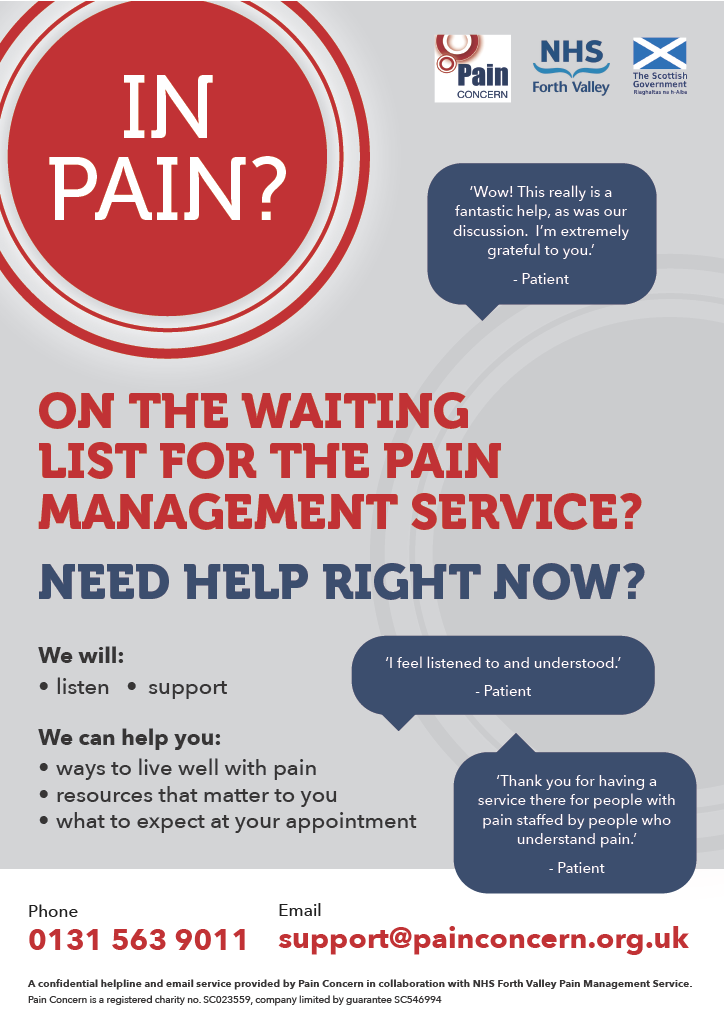
Pain Concern received funding from the Scottish Government to enable us to support patients waiting to be seen by pain management services at NHS Forth Valley.

The helpline service was offered that provided specific information about the Forth Valley Pain Management Service, self-management and how access to helpful resources.

Forth Valley Pain Managment Service Helpline Poster


This helpline has now closed – the general Pain Concern helpline is still available to provide support.

good to know there was someone to call and was very pleased to speak to someone.

Caller feedback

Helpline project details:

  • Over 1000 texts sent to patients  to inform them of the service.
  • Letter and leaflets sent to new and return patients.
  • Regular promotion on social media channels.

Independent Evaluation

An independent overview of the project can be found below, findings included:

  • 70% of callers stated that they felt more positive after speaking to call.
  • 65% said they felt better prepared for their healthcare appointment.
  • 74% of callers received additional resources from Pain Concern.
  • This project was exceptional in that it is an example of a charity and NHS Board working together to reduce waiting lists and focus on efforts to help patients deal with this.


‘Wow! This really is a fantastic help, as was our discussion yesterday.
I am extremely grateful to you – thanks very much’

Caller feedback

Peer Support. Join the community

“Having chronic pain is very lonely.”

Join the community

Subscribe to Pain Matters

Everything you need to know about how to live with chronic pain

Subscribe


In pain? Don’t understand what’s happening?

“Having someone to help you prepare for your life through pain”

Our Pain Education Sessions

Fundraise for Pain Concern

Help us to help others

Fundraise


Pain Concern’s podcast can help you to further your professional knowledge.

Did you know that Members of the Faculty of Pain Medicine of the Royal College of Anaesthetists can gain Continuing Professional Development credits by listening to, and reflecting on, relevant episodes of Pain Concern’s Airing Pain Podcast?

The Faculty of Pain Medicine guidelines state that all doctors should keep up to date with the professional knowledge base through personal study, which includes listening to relevant podcasts.

These activities should be self-accredited, with one CPD credit earned for each hour of activity, when accompanied by documented reflective learning.

There are over 130 episodes to choose from, covering a wide range of topics on managing chronic pain, including neuropathic pain, arthritis, long covid and more.

If you have listened to Airing Pain to earn credits and have reflections to share, then please let us know your thoughts!

Peer Support. Join the community

“Having chronic pain is very lonely.”

Join the community

Subscribe to Pain Matters

Everything you need to know about how to live with chronic pain

Subscribe


In pain? Don’t understand what’s happening?

“Having someone to help you prepare for your life through pain”

Our Pain Education Sessions

Fundraise for Pain Concern

Help us to help others

Fundraise


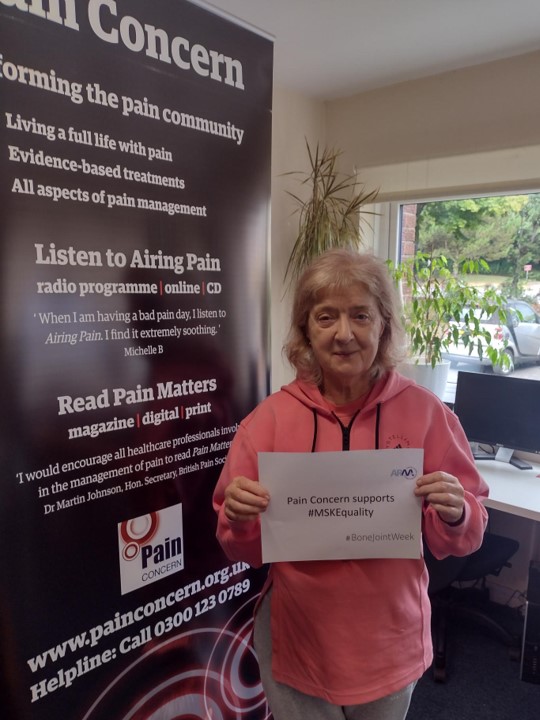
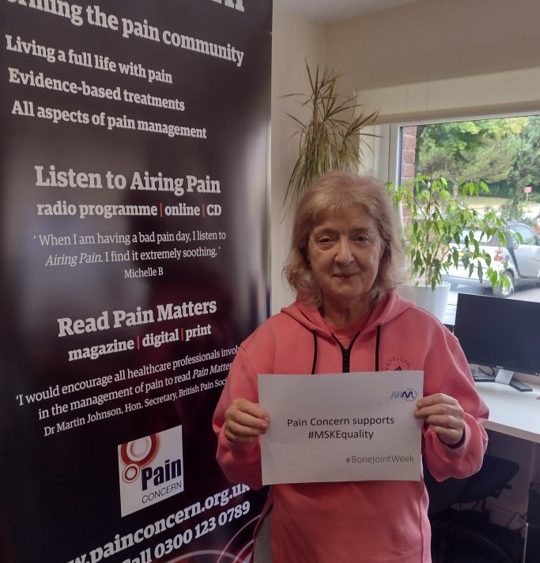
This week, from Wednesday 12th October – Thursday 20th October is official Bone and Joint Week 2022. In order to raise awareness of bone and joint conditions, Pain Concern have worked with ARMA (Arthritis and Musculoskeletal Alliance) to deliver informative content throughout this week.

To take a look at the great work and case studies ARMA are sharing as part of this week, click here to visit their website!

Also, as part of this important week, here are some of our own resources on musculoskeletal conditions:

Pain Concern CEO Heather Wallace shows support of musculoskeletal equality
Pain Concern CEO Heather Wallace

Peer Support. Join the community

“Having chronic pain is very lonely.”

Join the community

Subscribe to Pain Matters

Everything you need to know about how to live with chronic pain

Subscribe


In pain? Don’t understand what’s happening?

“Having someone to help you prepare for your life through pain”

Our Pain Education Sessions

Fundraise for Pain Concern

Help us to help others

Fundraise


The theme for Pain Awareness Month 2021 is #PAINCOUNTS

The World Health Assembly (WHA) – a subsection of the World Health Organization (WHO) – has declared September Pain Awareness Month. This month is dedicated to raising public awareness and understanding of pain. Many organisations around the world contribute, including the U.S. Pain Foundation, the International Pain Foundation and the American Massage Therapy Association (AMTA).

During September, the U.S. Pain Foundation will be sharing 30 stories of people living with pain over 30 days, while the AMTA has posted resources to inform people of the role of massage therapy in pain management strategies. Here at Pain Concern, we will be posting regularly on social media.

Everyone can play a part during this month by using the hashtag #PainAwarenessMonth.

You can also get involved by ‘liking’/‘following’ Pain Concern on Facebook and Twitter to stay up to date and share the cause.

We would like to share the following link to an Airing Pain programme we worked on during the COVID-19 pandemic. The topic of the programme is Domestic Abuse and Chronic Pain, but the programme dedicates a significant amount of focus to the effects of COVID-19 restrictions on communication and the effects of social isolation on those of us with pain. In a time where pain is on the backburner due to the global pandemic, it’s’ never been more important to say #paincounts.

To listen to the programme, or read the transcript, please click here.

Links:

Peer Support. Join the community

“Having chronic pain is very lonely.”

Join the community

Subscribe to Pain Matters

Everything you need to know about how to live with chronic pain

Subscribe


In pain? Don’t understand what’s happening?

“Having someone to help you prepare for your life through pain”

Our Pain Education Sessions

Fundraise for Pain Concern

Help us to help others

Fundraise


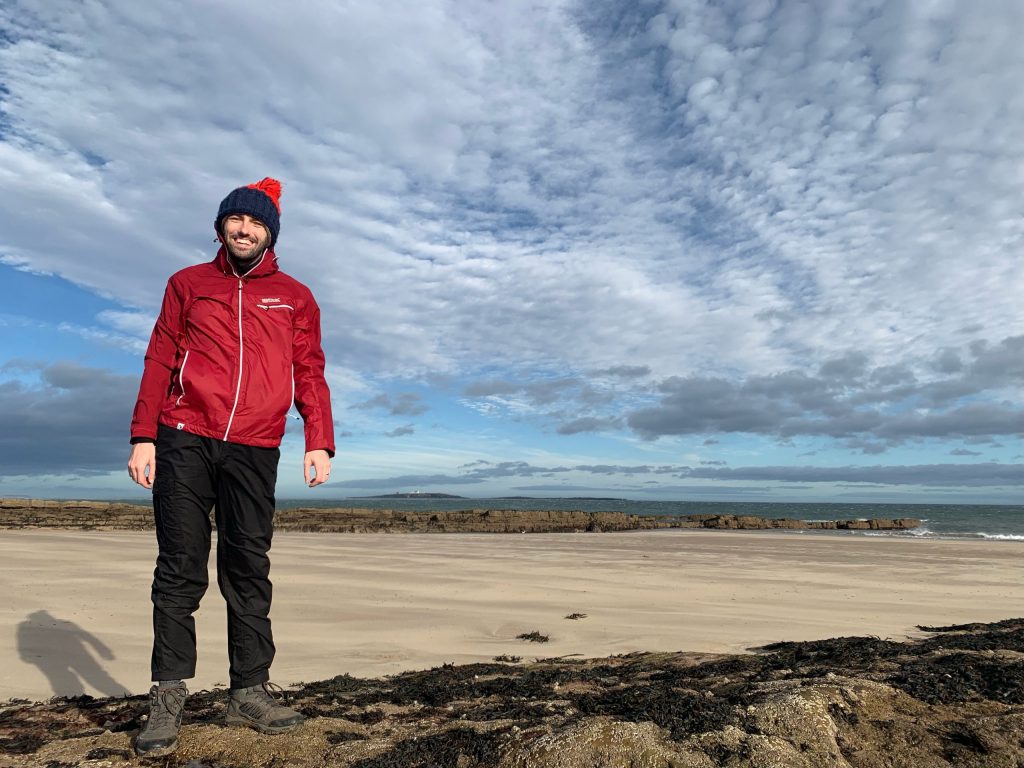
4 May 2026 marks a very momentous day for chronic pain sufferer Kieran Hinsley. You see, this is the day of the Milton Keynes Marathon. Kieran may suffer with crippling pain, but he wants to show his fellow sufferers that big dreams can still be achieved.

Pain and guilt

At just 25 years old, Kieran’s swollen, stiff fingers prevented him from even being able to do up the front of his baby girl’s clothes. Why isn’t the guilt of those suffering with pain talked about more? This guilt and the inability to function as he so wished prompted Kieran to fear he was failing both as a dad and a husband.

Pain like a silent rebellion

In his mid-twenties, an age when most young men feel invincible, Kieran’s body was staging a silent rebellion against him. Things were unbearable, yet his further anguish was that he was fighting to be believed. He states, ‘I spent years trying to convince doctors that something was wrong’. 

Taking back control

Over the next few years, Kieran’s pain and swelling spread throughout his body. Things got that severe that dressing himself became impossible, as well as not being able to walk sometimes. Now enter the blossoming of Kieran’s resilience, ‘I realised no one was coming to rescue me’, he says, ‘I had to take control’. 

Reaching out for hope

It is through the vital information and support that charities like Pain Concern offer that Kieran found a new sense of hope. He now fully accepted his pain but was determined his future wasn’t going to be defined by it.

Present day  

Due to the regularity of his flare-ups, Kieran has decided to take his time preparing and training for this marathon. Sleep deprivation and swelling have made some training sessions impossible, but then there have been better days where he has managed two separate five mile runs. At the forefront of Kieran’s mind is that he is training with the condition rather than pretending it is not there. 

You are not alone

Kieran says, ‘I’m running the Milton Keynes Marathon not just as a challenge, but as a statement, to myself, to my family, and to anyone who is at the beginning of their pain journey and feels terrified, lost, or alone. I want to show them that life can still move forward’. 

Support Kieran Hinsley

We ask you to show your support for Kieran. He is going to show that dreams don’t have to die when you live with pain. If anything, they become even more rewarding to achieve. 

Peer Support. Join the community

“Having chronic pain is very lonely.”

Join the community

Subscribe to Pain Matters

Everything you need to know about how to live with chronic pain

Subscribe


In pain? Don’t understand what’s happening?

“Having someone to help you prepare for your life through pain”

Our Pain Education Sessions

Fundraise for Pain Concern

Help us to help others

Fundraise


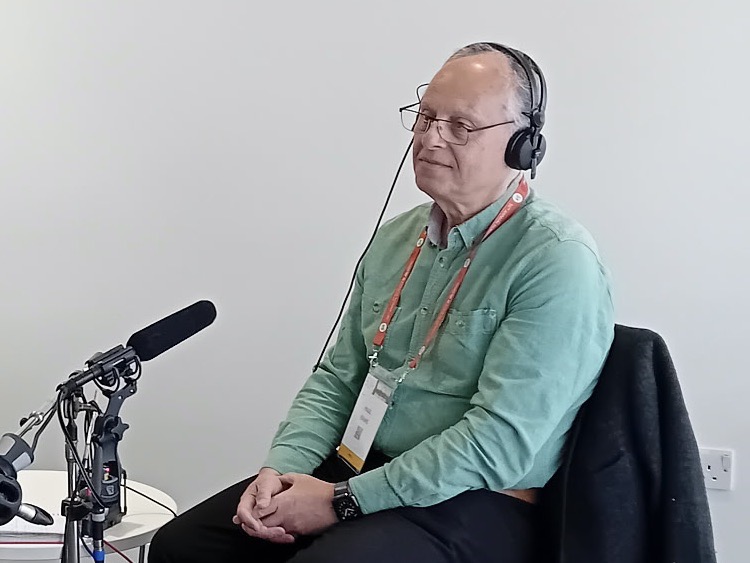
‘if you’re treating people in pain, you’re treating autistic people in pain’

Do neurodivergent people experience pain differently?

The simple answer – and the slightly more complicated one

  • Why you, or your patients, aren’t recovering 

  • Building relationships across neurotypes

  • Pain thresholds, pain anxiety, pain communication…

With Dr David Moore, Reader in Pain Psychology at Liverpool John Moores University

Thanks go to the British Pain Society – this interview was recorded at their 2025 Annual Scientific Meeting. 

Peer Support. Join the community

“Having chronic pain is very lonely.”

Join the community

Subscribe to Pain Matters

Everything you need to know about how to live with chronic pain

Subscribe


In pain? Don’t understand what’s happening?

“Having someone to help you prepare for your life through pain”

Our Pain Education Sessions

Fundraise for Pain Concern

Help us to help others

Fundraise


First broadcast: 3 March 2026

Paul Evans

This is Airing Pain Supplement, brought to you by Pain Concern, the UK charity providing information and support for those of us living with pain, our family and supporters, and the healthcare professionals who care for us. I’m Paul Evans. 

Edition number 91 of Pain Concern’s Pain Matters magazine will be released on 3rd March 2026. It’s guest-edited by the Bath Centre for Pain Services Co-Production Team. It focuses on neurodiversity, shining a light on underrepresented challenges and harmful misconceptions, and how every patient is different and needs to be treated, and appreciated, as such. 

As an Airing Pain podcast supplement to this important edition, I spoke to Dr Dave Moore, Reader in Pain Psychology at Liverpool John Moores University, who’s researching the pain experiences of neurodivergent, primarily autistic, people. He is himself neurodivergent. So do neurodivergent people experience pain differently to those who are neurotypical?

David Moore

That’s one of those questions that kind of has a simple answer and a more complicated one. The simple answer is no, they don’t. If we bring neurodivergent people into a lab and do pain psychophysics to look at pain thresholds, then thresholds for a neurodivergent population do not seem to systematically differ between a neurodivergent population and a neurotypical population. The slightly more complicated answer is there do seem to be more people within the neurodivergent community who might feel pain slightly differently, so there might be more likelihood of having someone who responds to things a little bit more differently, even if the population overall doesn’t differ. And beyond that, things like anxiety around pain, anxiety around approaching healthcare situations, are more prevalent within neurodivergent people. And for that reason, if you’ve got somebody who’s hurt themselves and is in A&E, they may well be feeling that in a different way to their neurotypical counterparts sat opposite them who’ve done the exact same injury. 

Paul Evans

So as far as measuring the pain, the pain might be the same, but the reaction to it is different. 

David Moore

Quite possibly, yes. I think there are lots of different ways that might differ, both in terms of the intensity of that pain that’s reported, but also in terms of how that’s communicated to other people. And that might be a very high level of distress in somebody who’s incredibly anxious. But it also might bring in challenges and issues around things like shutdowns and other kinds of issues where a person might actually almost appear catatonic and as though they’re not in pain at all. 

I think there’s always that challenge that we have to acknowledge when we’re thinking about how I communicate my pain to you. Any social communication we have has that social value. I’m trying to share my state with you, and the reason I would share my state with you is because I think you can help me. And if for some reason I don’t trust you, I don’t think you can help me, then I might mask that pain. I might hide that pain, I might camouflage it. And we think that might be more common within a neurodivergent population. It’s possible that somebody might be in a considerable amount of pain, but might find the social context so challenging that they may be masking those behaviours. So it’s a really complex picture. 

The work that we did early on was much more in that, what are the pain thresholds in autistic people? And are there fundamental differences in the way that the autistic population feel pain? We could keep doing that for probably forty years, but I’m not sure that we’d learn a huge amount more at the moment. 

And the need that we have is that autistic people are overrepresented in chronic pain services. About two to three percent of the population are probably autistic, once you correct for underdiagnosis. About a quarter to a third of young people accessing chronic pain services and the most complex level of care appear to be autistic and more widely neurodivergent. 

So we’ve got a huge number of autistic people in pain services. And I think that raises two questions. One is when people are in those tertiary pain services, what can we do to remove barriers to accessing healthcare and to improve the outcomes from multidisciplinary pain management services? The other is why is it that neurodivergent people are passing through our primary and secondary healthcare systems and are going on to have acute pain become chronic? So those are really the two questions we’re trying to address at the moment, is how can we best treat pain and how can we best support acute pain to stop it becoming chronic? 

Paul Evans

Okay. Let’s start with the first one. How should, how could, somebody with chronic pain who’s autistic or neurodivergent be treated. 

David Moore

So the first thing is that the treatments that we have appear to be broadly effective. So I would say that if it’s a young person, in particular, who is presenting as neurodivergent and has chronic pain and is going for a tertiary pain service, then they will probably respond to that combination of pharmacological management, physiotherapy, talking therapies and more general, you know, family support. 

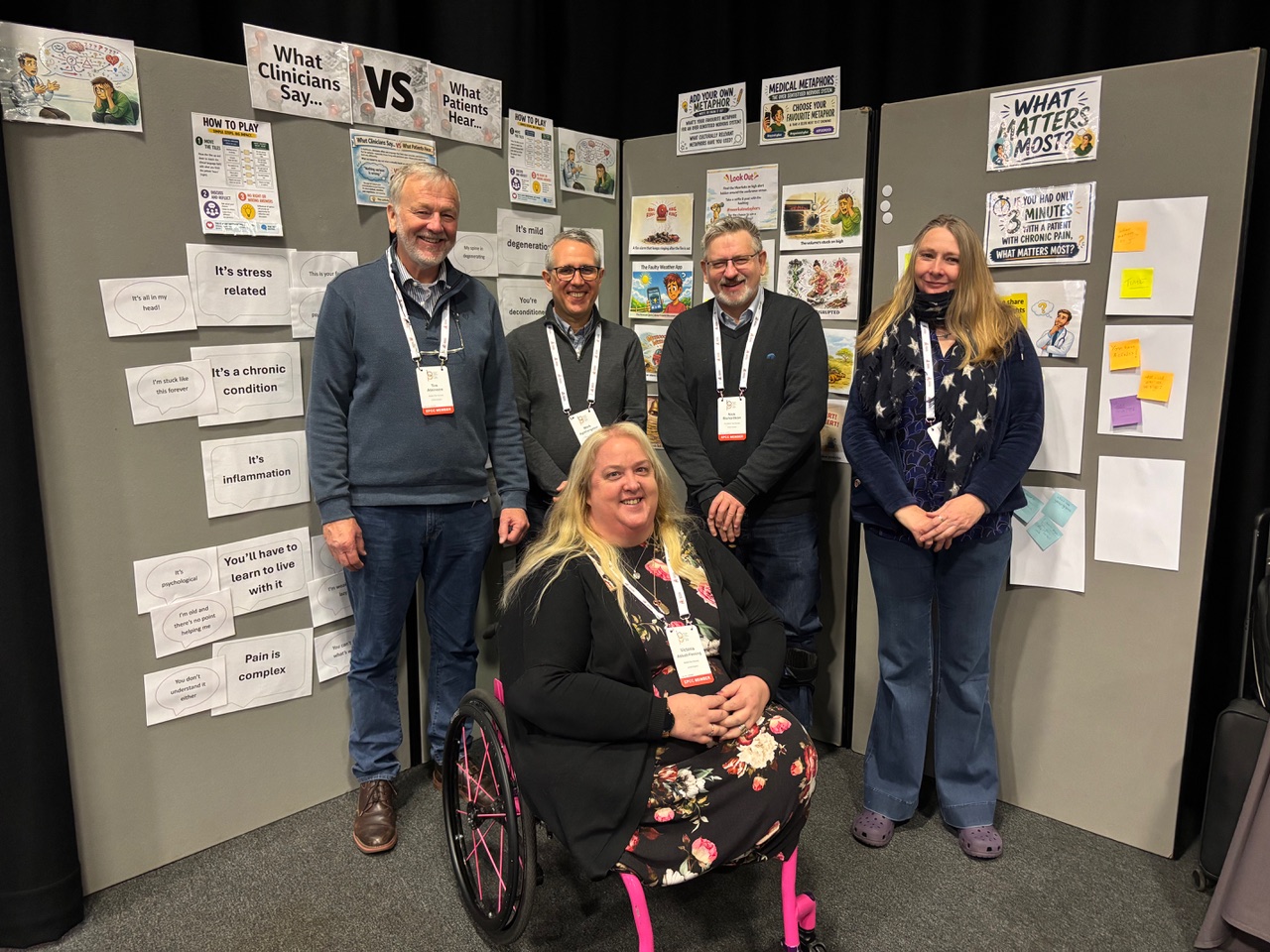
But there do seem to be some barriers in there. Our pain management approaches use a lot of imposed metaphor. There’s a story that’s often told about, imagine that we’re on a bus and the bus is going where we want it to go, and then another person gets on and that person’s called pain, and they want the bus to go somewhere else. And then fatigue gets on and it wants… We’ve had a few of our autistic patient partners and participants say, I’m not on a bus, I’m in a pain service, and I can’t imagine not being in a hospital at the moment. 

Paul Evans

So in a clinical situation, somebody who has autism and has chronic pain, the clinician who’s been on all the courses is listening very carefully. He moves forward slightly and he’s nodding all the places. Yes, I understand, I really understand what you’re going through. Showing empathy, if you like. That comes across completely differently to the patient. 

David Moore

It certainly has the potential to come across very differently. It may be that for somebody a very direct kind of eye contact may be actually quite confrontational and may feel like they’re being judged. Even a sentence like ‘I completely understand what you feel’ is a really common way that we often share our conversations with people. But the reality is, you don’t know how that person feels. You neither have their neurotype nor do you have their chronic pain condition. Again, for a lot of neurodivergent people, communication can become kind of slowed in certain conversations, or people may be very deliberate over words that they pick. And it’s very tempting for a neurotypical person to fill in the words that they are expecting to continue that kind of communication going forward. But that can really invalidate that experience, and giving people just that space to end their own stories or to complete their own narrative. All of these kinds of small things can be challenging. 

There’s a really interesting model that we try and keep in our mind with a lot of the work, really all of the work, that we’re doing at the moment. It’s a model that’s quite old now, but it started to pick up a lot of interest in our service. It was developed by a guy called Damian Milton and it’s called the double empathy problem. Essentially, it was a counterpoint to the idea that autistic people don’t have empathy. The idea here was that people empathised, but empathy is a set of behaviours more than anything else. If you don’t empathise in the way that the person you’re talking to receives, then you’ll perceive that person to be unempathetic. 

Now, the majority of people are neurotypical, so we have a shared way of communicating, of sharing our experiences, and we get to feel like we know each other quite well. If we’re working with somebody who’s neurodivergent, by definition that’s somebody who has a brain that works in a different way. And because of that, what we find is that if you put two neurodivergent people together, they empathise really well with each other. They have a shared understanding, a shared kind of world. A part of the challenge of this double empathy problem is that you’re trying to build a relationship across neurotypes. You’re trying to have a situation where a neurotypical and neurodivergent person are trying to share their spaces. 

An example I would always think of is, if you travel to somewhere in Asia with a very different culture or somewhere in Africa with a very different culture, it may be that you can even learn some of the language, or you can find a common language, you can talk, you can understand, but really understanding the culture and the experiences of that person, where their life is so different to the way that you see it, is a much greater challenge. And the double empathy problem, I think, is not too dissimilar to that. You’re trying to understand somebody who doesn’t view the world, and from the day they were born didn’t view the world, exactly the way that you do or did. It takes a real amount of stepping back and just seeing how is it that I can try and, if not share the space with this person, allow them to try and share their space with me. 

I think a part of the challenge is that our best way of managing pain, generally, certainly at scale, is by group treatment. So you may be finding that you’re treating, let’s say, eight people, two of whom are neurodivergent, one of whom may also be currently undiagnosed. Especially for neurodivergent young women or gender-diverse populations, they often receive their diagnosis later and have other complex walkways through that journey. So there’s the possibility that the provider either doesn’t know, or that the general feedback they’re getting is positive. And beyond that, the social anxiety that’s very common within neurodivergent and particularly autistic young people, to go to somebody in a position of authority and say, ‘This isn’t working for me’ is probably not there. So I think one of the challenges is that for a lot of healthcare providers, they probably don’t realise that they’re losing their neurodivergent patients along the way, because no one’s feeding back to them that ‘This metaphor is not working for me’. 

Paul Evans

So how do you get that over to the profession?

David Moore

One of the big things that our lab’s saying, whenever we’re invited to speak to healthcare providers now, is if you’re treating people in pain, you’re treating autistic people in pain. The reason that your service is possibly not getting the figures that get you extra funding from the government, or that you’re sitting in meetings and trying to work out why you’re discharging patients who are not recovering, is that you’ve got neurodivergent people in your service who are struggling with the treatment you’re providing. And if you make some small modifications to that treatment, if you’re culturally sensitive in the way that you deal with those young people or those adults as well, then we might just find that we get the double benefit, that there are fewer people suffering, fewer people coming back who need to be treated again. And our services are getting better outcomes, and we can kind of say that we are improving the pain experiences of our patients. 

Paul Evans

That’s Doctor Dave Moore, Reader in Pain Psychology at Liverpool John Moores University. Pain Matters, guest-edited by the Bath Centre for Pain Services Co-Production Team, will be available on 3rd March 2026. Check out the Pain Concern website at painconcern.org.uk for more details. 

Peer Support. Join the community

“Having chronic pain is very lonely.”

Join the community

Subscribe to Pain Matters

Everything you need to know about how to live with chronic pain

Subscribe


In pain? Don’t understand what’s happening?

“Having someone to help you prepare for your life through pain”

Our Pain Education Sessions

Fundraise for Pain Concern

Help us to help others

Fundraise


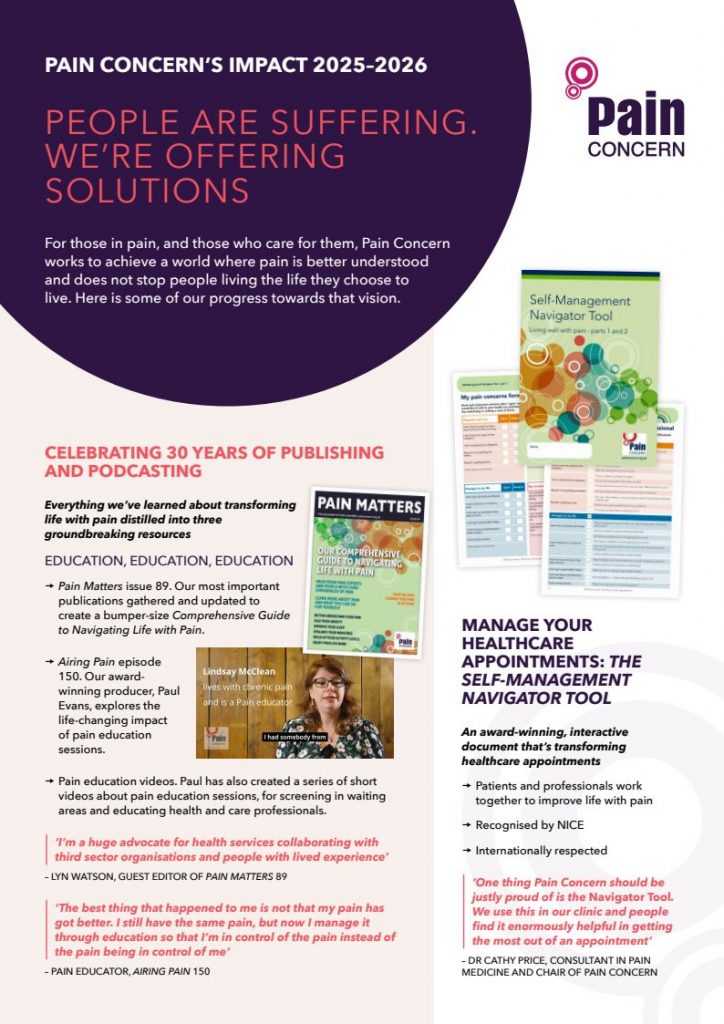
People are suffering. We’re offering solutions.

For those in pain, and those who care for them, Pain Concern works towards a world where pain is better understood and does not stop people living the life they choose to live. Our latest Impact Report shares what we achieved this year, and what we’re focusing on next.

Pain Concern Impact Report 2025-2026

What we achieved this year

Celebrating 30 years of publishing and podcasting

This year we marked 30 years of trusted information and conversation about pain, and brought that experience together in new resources, including a bumper-size Comprehensive Guide to Navigating Life with Pain, a milestone episode of Airing Pain, and short pain education videos created for screening and professional learning.

The Helpline, someone to turn to

  • Our Helpline team offers information, support, and empathy, with helpliners who have lived experience of pain.
  • Around 200 people helped each month by phone and email
  • Clinically led supervision and training aligned with Helplines Partnership standards

Pain Matters magazine, practical support people can use

Pain Matters shares expert-led discussion and informed self-management support, with contributions from health professionals, researchers, and people living with pain.

  • Digital subscriptions include the full back catalogue
  • Free sample issue available for non-subscribers
  • Audio option available, turning each issue into a podcast
  • Also available in print

Airing Pain podcast, learning that travels

  • Airing Pain now includes 150 programmes, bridging professional and public education
  • Around 1,100 listeners each month.
  • Recognised for Continuing Professional Development credits by the Faculty of Pain Medicine
  • Produced in partnership with the British Pain Society at scientific meetings and events

Online community support, peer support since 2010

Our HealthUnlocked community helps people connect and feel understood.

Every month:

  • 1,600 active members
  • 280 new posts
  • 150 new members Impact Report 2025

Pain education sessions, building knowledge and confidence

Our 2-hour Pain Education Session supports people who have had pain for more than 12 weeks. It is delivered by educators with lived experience, through partnership working with the NHS.

  • Collaboration across 5 health boards
  • 42 education sessions delivered this year

Mindfulness sessions, learning to live with pain and emotions

We continue to deliver online taster sessions and courses led by mindfulness teacher Cath Ashby, supporting people to build skills they can use in daily life.

Reaching people through our website, news, and social media

Every month:

  • 10.5K followers across our social media platforms
  • 17K visits to our webpages
  • 900 downloads of our support resources
  • 2,000 people receive our news

Our goals for the year ahead

Shaping our future

We are bringing patient voices and key stakeholders together to strengthen how pain is understood and prioritised in policy and services. We will keep building partnerships across pain organisations, research communities, and health and care networks. Impact Report 2025

Shaping better-informed, more compassionate care

We will continue to contribute to guidance, education, and professional resources, and we will keep showing what works when people with lived experience sit at the centre of service design and research.

Driving change

Pain is the world’s leading cause of disability and poor health. We will support the International Association for the Study of Pain’s 2026 campaign for Neuropathic Pain, and we will keep developing tools and resources that help people navigate life with pain.

Thank you

If you read, share, volunteer, fundraise, donate, or recommend our resources, you help make this work possible.

Call to action

Peer Support. Join the community

“Having chronic pain is very lonely.”

Join the community

Subscribe to Pain Matters

Everything you need to know about how to live with chronic pain

Subscribe


In pain? Don’t understand what’s happening?

“Having someone to help you prepare for your life through pain”

Our Pain Education Sessions

Fundraise for Pain Concern

Help us to help others

Fundraise


First broadcast: 3 February 2026

Paul Evans

This is Airing Pain, a programme brought to you by Pain Concern, the UK charity providing information and support for those of us living with pain, our family and supporters, and the healthcare professionals who care for us. I’m Paul Evans, and this episode of Airing Pain is produced in partnership with the British Pain Society.

Katelynn Boerner

The timing of puberty makes quite a big difference for girls in terms of a variety of different outcomes, including pain. So, going through puberty early is actually associated with a lot of detrimental outcomes for girls.

Rebecca Pearson

I’ve got some footage from the recent Scottish Cup final where Aberdeen beat Celtic on penalties, and I said to my father, who’s an Aberdeen fan, I said, ‘I think they’re going to do it’, by the look of the face of the goalkeeper. And that is a real thing of just how important, that’s – you know, you’ve said, ‘What’s an interaction’ – that’s an interaction. Goalkeeper, striker.

Paul Evans

I promise it’ll all come clear soon. Now, if you’re a regular listener to Airing Pain, you’ll know all about the biopsychosocial model for chronic, or persistent, pain. That is: the physiological, our physical health; the psychological, our thoughts, emotions and behaviours; and the social, that’s everything from our environment, relationships, school, work, money, cultural factors and so on. 

So why is this biopsychosocial model so important? Cormac Ryan is Professor of Clinical Rehabilitation at Teesside University. He is also a Community Pain Champion for the Flippin’ Pain campaign, a public health campaign funded by Connect Health. Its mission is to change the way that we think about, talk about and treat persistent pain.

Cormac Ryan

We are as human beings a single entity, and we use the term biopsychosocial as a shorthand way of understanding the different factors that might influence us and how we behave, how we experience things, how we action things. But it’s a bit of a false dichotomy to say that ‘Oh, there are distinct biological things, distinct psychological things and distinct social things’. They’re so interwoven, they play upon each other in such a way that to understand one area is to have some understanding of the others. Understanding how they integrate with each other, how they play with each other, that can be really, really powerful, knowing how things like social communication can actually influence your biology, how your thoughts and your fears can influence your biology and subsequently influence how you interact with people.

Paul Evans

We are socially interacting now. We’re speaking with each other. Our minds, hopefully, are working – well, we’re concentrating. How could that affect our biology? Or, if we weren’t happy doing this, how would that affect our biology?

Cormac Ryan

When we’re doing our public health road shows within the Flippin’ Pain campaign, there’s some studies that I like to draw on particularly, because I just find them so fascinating, they’re great stories. 

It’s a rat study. I appreciate it’s not a human study, but you’ll see as I go through why it couldn’t be a human study. But how we are made up is quite similar as mammals, for want of a better word. Rat Community One have noisy neighbours, but considerate neighbours. They play lots of loud music a bit randomly, but between nine and five, normal working hours. The rest of the time, they’re quiet and they’re good neighbours. Rat Community Two have equally noisy neighbours, but they’re really inconsiderate. They will play loud music and make loud noises at any time of the day or night, at really random times. 

What the scientists found is that in Rat Community Two, where they had the inconsiderate neighbours, they developed classic signs synonymous with having persistent pain – hypersensitive to pain, fatigue, withdrawal, lots of those signs that we can relate to people. The scientists described these as ‘fibromyalgia-like’ symptoms, but I think one could see it more broadly as just chronic pain-like symptoms. 

Another reason why you couldn’t do this with humans is that afterwards all the animals were euthanised, and the scientists then explored their biology. The biology of Rat Community Two, who had the inconsiderate neighbours, had changed – so their physiology was now more in keeping with the physiology of someone with persistent pain. Their nervous system and their immune system had altered in such a way as, essentially, you become better at processing stimuli in such a way as it produces that pain experience. So, stressful-based social interactions had influenced the biology of the individual in such a way as they were more likely to develop and experience pain.

Paul Evans

That’s Cormac Ryan. 

So, as I said, in this edition of Airing Pain, I’m focusing on the social component of the biopsychosocial model for pain, and in particular, social interactions – in the broadest terms, any communication that occurs between people. 

Adverse conscious interactions – we’re talking the physical and facial and tangible – they can be interpreted by the person you’re interacting with. Joy, sorrow, anger, pain and more. There are unconscious actions that we don’t know we’re making, feelings that we don’t wish to reveal, or even that we don’t know we’re experiencing. 

Rebecca Pearson is Professor of Developmental Psychology and Epidemiology at Manchester Metropolitan University. Her research area is in psychological mechanisms underlying child and adolescent mental health and development, including pain.

Rebecca Pearson

We know that people mask emotions. I think that probably stemmed out of work on social masking and autism. I’ve got some footage from the recent Scottish Cup final where Aberdeen beat Celtic on penalties, and I said to my father, who’s an Aberdeen fan, I said, ‘I think they’re going to do it’, by the look of the face of the goalkeeper. And that is a real thing of just how important, that’s – you know, you’ve said, ‘What’s an interaction’ – that’s an interaction. Goalkeeper, striker.

If you think about being in pain and then your loved one, whether that’s your child – so I’m very interested in mum–child interactions, looking at that intergenerational pain – or your partner. You want to protect your child from knowing you’re in pain. You want to protect your partner, you don’t want them to be like, ‘Let’s not go out actually, after all’. What is that doing to the subtleties of human interaction? 

So pain masking might be, and this is again where I come to the example, which I do think is a useful one, about the goalkeeper. What’s the ground truth. The ground truth is a concept of, let’s say, the real truth. What’s the emotion? Is the emotion that’s relevant what you feel? And you’re feeling like, ‘I don’t want to be here, I’m in pain, it’s bothering me’. Then there’s the emotion that you show, and how that’s perceived by the other person. Not knowing about the pain, they might be like, ‘They’re annoyed with me’. Then that means two people have a sequence that, over time, gets a bit misaligned. These interactions occur in the moment, but they gain meaning over time, that kind of interplay of sequences. 

So you take that tiny interaction of suppressing the pain. Maybe you’re looking a bit not-quite-right to someone who knows you really well. It’s like something’s a bit off. But people tend to make it about themselves, because we all do. I think I’ve annoyed them, right? And then they start to be a bit different. And then the person in pain is like, ‘Oh, they’re now annoyed with me because I’m ruining their day.’ I’ve heard from public contributors and those living with pain, they feel a burden. So it’s all of this – do you see what I mean – this interaction. 

Paul Evans

I sort of see masking in that sense, as I have pain. Somebody says, ‘How are you today?’. I’m fine. Well, it’s a lie, but that is masking. But what you’re saying is there are more tells than just me saying I’m fine, but I’m not. 

Rebecca Pearson

Yeah, it will be more complex than that, because, actually, probably what you want – or maybe you don’t, I think I would – is you want them to know you’re not really fine.

 Let’s flip it to some more strength-based moments. This is what’s been researched heavily and understood heavily as parent–child interactions. We know that you can really pull out those strengths-based moments where the mum has really been attuned to the baby and worked, because the babies can’t tell us, worked out what they want – perhaps all that attunement. 

So we know that supportive relationships can be really protective in living with pain. Can we get that understanding of the subtleties to be understanding that actually maybe they’re beginning to feel that it’s a bit much for them, or those precursors, and that little bit of reassurance, it’s okay to tell me you’re in pain. 

And one of the other things that’s quite interesting. Again, I’m really afraid I keep going back to this football example, but it’s very good because we’ve got this emotion-reading software, and I’ve just for a demo purpose ran it free. You can break the mask, and you’ll see that outside of this composure, when they win and his teammate comes over, there’s a spike of this happiness, so it’s lifted the emotions out, and that’s a positive emotion. But it’s like, how can we have those safe moments to unlift that, because it’s tiring. We know that from autistic burnout. It’s called that. It’s tiring holding that in. So that might be what’s happening in pain. You’re not just dealing with pain, you’re holding it in for everyone else. And then there’s that burnout. So where are those safe spaces and those connected people that you can say, ‘Actually, I want to go home, I’m feeling, you know’. 

Paul Evans

So going back to your goalkeeper and penalty taker. You had worked out that the goalkeeper was going to fail. 

Rebecca Pearson

No, he saved. 

Paul Evans. 

Oh right. Okay. So you had worked out that the goal would be saved and the goalkeeper was – 

Rebecca Pearson

Ready for it. 

Paul Evans

He was the winner. What would have been in his facial expression hidden from most of us that you thought, ohh. 

Rebecca Pearson

Yeah. And I’ve actually put it through the AI software – that agrees with me. Honestly, I’m on record saying it. It’s because he believed he was confident. And when he was interviewed afterwards, they said, well, what was going through your mind? And he said, the manager – I think it’s manager, not a football expert – had said, when we win, not if. And he said, ‘This is your moment to be a hero’. And the reason I thought, ‘I think he might’, was because he micro-smiled. It was almost like, ‘Okay, I’m going to enjoy this’, not ‘I’m scared’. But he was then composed. So I said ‘I think he might’. And he did. He saved two penalties. I mean, this is a little, you know, who knows if I’ve got a career in penalty prediction. 

Paul Evans

Well, there’s money in it, I’ll tell you. 

Rebecca Pearson

Oh, well, there you go. But it’s something about that, just how powerful that actually is. And maybe I was lucky, but it’s something about that interaction. And I know that they do that in that training. Does this, and all the expertise I bring from a completely different area of work, can that help us understand how living with pain impacts relationships and, most importantly, how to draw on the strengths of those close relationships?

Paul Evans

I put it down. This sort of double masking, if you like. It’s me masking my pain, but you masking what you think of my pain. 

Rebecca Pearson

Oh, that’s brilliant. I’ll be quoting double masking. You’ve come up with that? You’ll be on record. Yeah, well, that’s what I said. There’s double ground. Exactly. Because then you can see a cycle. I’m sure we’ve all experienced some loved one being in some form of pain or illness. And you’re like, ‘Oh, I don’t want them to think I’m mollycoddling them either. If they want to carry on, that’s fine’. So exactly. Double masking and double interpretation. 

And then you can see it escalating. Because what we’re seeing in the epidemiological work that I’m also involved in is that over time, in large datasets, young people who are living with pain later on report less social connections, less feeling support. And our hypothesis is that they’re withdrawing because they don’t want to be a burden. Or another thing is, might they be getting misinterpreted, as maybe people are like, ‘Oh, what’s up with them?’. You know, but if they just said, ‘Oh, actually, I’m in pain’ or ‘I don’t like you’, it might help that kind of double-de-masking then, perhaps. 

Paul Evans

So how does your software, your AI software, work? I mean, what is it looking for. 

Rebecca Pearson

This is something that’s out there commercially available. It’s something called FaceReader. I and many researchers use it. It’s been well validated based on the FACS: Facial Action Coding System. It’s based on facial muscles that are well validated to show particular emotions. So that’s what you’re looking for. Every frame is nought-point-nought-two seconds, usually. It will compute based on the specific facial expressions and intensities of emotion. This is yet to be applied to pain research, but certainly in teenagers it’s very predictive of how they’re feeling. So the self-report questionnaire, you get the same as if you got a psychology student to pick that emotion. But it’s giving us that tiny fine-grained time, which I think is nought-point-nought-two seconds. So that’s, you know where I said about, the goalkeeper micro-moment. Now software is opening up that possibility to see these tiny changes. 

Paul Evans

Firstly, there’s no end to a research programme. There might be an end to the funding, but learning continues. How do you think this will be used in the future? 

Rebecca Pearson

This is the beginning of saying, well, all those things that you’ve raised. What parts of that are helpful in understanding if we can use some of it to reduce the impact on relationships that being in pain has? Can we get those people, whether it’s parents, children, friends, intimate partners, to say, ‘Okay, well, how can we use the strength of our relationship and those momentary interactions, understanding each other’s features and emotional signatures’? Most people with pain say it’s not that they want necessarily the pain to stop – they don’t want it to be having such an impact on their lives. So maybe it can reduce the impact on people’s lives if we understand the strengths of relationships. 

Paul Evans

Rebecca Pearson, Professor of Developmental Psychology and Epidemiology at Manchester Metropolitan University. 

So, the social component of the biopsychosocial model for pain – that is how everything from our environment to our relationships, school, work, money, cultural factors and so on affects us. Gender and gender identity must be part of that equation. So do boys, girls, non-binary, trans children and young adults experience pain and the care they receive differently?  

Katelynn Boerner is Assistant Professor in the Department of Paediatrics at the University of British Columbia in Vancouver, Canada. 

Katelynn Boerner 

We know that that experience is quite different, and that a lot of that comes from the social expectations. I think from very early on, young people are exposed to the message that boys should ‘Tough it up’ and be stoic and not show their pain – you know, ‘Big boys don’t cry’. Really, what we now call toxic masculinity. I think boys from quite early on learn not to express their pain, particularly in social settings, if they want to appear masculine. And on the flipside, I think those gender biases are also very harmful for girls and young women, who, also from quite early on, can be told that they’re being dramatic or hysterical, or that their pain is all in their head, that it’s not real. 

So there’s these toxic gender biases that are imposed on both boys and girls. And what some of my more recent research has been looking at is how do transgender, gender-diverse, non-binary youth experience some of those same norms. A lot of gender-diverse youth will talk about being very aware of those norms and actually using them, even if it’s not helpful in terms of managing their pain, as a way of sharing their gender identity with the world and having people treat them in the way they want to be treated, which I think is fascinating – that these young people are aware, like ‘This is an unhelpful stereotype, but this is the game that I need to play if I want people to take me seriously’.

Paul Evans

I mean, the transgender thing is interesting, isn’t it, because somebody who’s brought up as a boy and transitions into being a girl, you’re really shifting the stream. You know, ‘Big boys don’t cry’ and ‘Be a man about this’ to, as you were saying, ‘Come on now, you know girls don’t do that’.

Katelynn Boerner 

Yeah, and then there’s this extra layer of – I think a lot of transgender youth have this experience of not being believed. You know, that idea that they don’t know themselves, or that maybe their gender identity is something’s that going to change again, so nobody wants to take them seriously. So there’s this additional layer of suspicion that a lot of them encounter in the healthcare system, even if actually what they’re seeking treatment for has nothing to do with their gender identity. It still has the potential to colour that healthcare interaction, and that’s where I think we need some of this research in the pain world, because the way that we’re interacting with boys, girls, gender-diverse youth, in theory, should have nothing to do with their gender if we’re focused on their pain. But actually, it’s so relevant. 

Paul Evans

It has everything to do with it. 

Katelynn Boerner 

It does, yeah, and I think what we’re also trying to figure out is, what are the psychosocial components related to gender that impact the pain experience? And what are the things like hormonal experiences that are impacting pain? And we have a lot of reason to believe that the sex hormones that emerge around the time of puberty are playing a big role in discrepancies that we see between men and women in terms of their pain experience, but we don’t really understand enough about how those two things intersect, and we don’t have a really good biopsychosocial perspective. 

Paul Evans

What do you think is going on?

Katelynn Boerner 

Well, one finding that we see pretty consistently is that differences based on sex and gender tend to emerge after puberty, so there’s certainly a sex hormone role, but puberty in adolescence is also when there’s a lot of social context happening, a lot of social pressure for young people to determine their identity and figure out how to share that with the world. A lot of pressure to start to have some independence in how they’re navigating the healthcare system. So I think it’s a little bit more complicated than just you hit puberty, the hormones appear, and that explains all the differences. 

One other thing that we’ve found in our research is that there’s differences in terms of how boys and girls experience social modelling. So we know that pain tends to run in families, and if a child is exposed to pain from a parent, that impacts girls differently than it does boys. 

Paul Evans

You mean if the parent has pain? 

Katelynn Boerner 

If the parent has pain, yes, it impacts the child’s own pain experience differently depending on the sex of the child. What’s interesting is that it doesn’t seem to matter so much the sex of the parent. We initially thought boys would be more impacted by observing a dad than a mom, and vice versa for girls. But from some of our experimental work, we found that actually that’s not the case. It’s girls who see an exaggerated or more intense pain expression from either parent, who experience more pain themselves.

Paul Evans

I thought you were talking about the empathy side of it, but the experience of their own pain is different.

Katelynn Boerner 

Which could very well be, at least in part, because of a difference in empathy or social attunement. There’s some other research that suggests that girls might pay more attention to social cues in their environment than boys. It’s entirely possible that what’s going on there is just girls are more attuned to or alerted to what is happening for their parent when they’re undergoing a painful experience, and then when the child undergoes pain, subsequently, that is impacting girls in a different way than boys.

Paul Evans

One thing you have to take into account, I guess, is that boys and girls develop at different times. So a 14-year-old girl might be the equivalent of a 16-year-old boy in maturity. 

Katelynn Boerner 

Yeah, and there’s some interesting research showing that timing of puberty makes quite a big difference for girls in terms of a variety of different outcomes, including pain. So, going through puberty early is actually associated with a lot of detrimental outcomes for girls, and that would further widen the gap between them and boys. But then the other thing that’s also happening during puberty is, for young girls and women, the start of menstruation. That’s a monthly pain experience, one that, for many young people, is significantly painful. And if you think about that co-occurring with the emergence of other types of pain conditions, it’s a complicated picture. It looks very different for girls than it does for boys. And that’s also why there might be unique experiences for trans and gender-diverse youth. 

Something I’ve been thinking a lot about is, how do we use this information to inform healthcare providers about the biases that they might be running up against when they’re assessing pain? There’s a growing body of research that suggests that pain tends to be underestimated for girls relative to boys, and there’s some really interesting experimental research that I cannot take any credit for, I haven’t done, but where they’ve shown adults and healthcare professionals pictures or videos of children undergoing a painful experience. If the adult caregiver or health professional is told this child is a boy, then they rate their pain as being higher than if they’re told this child is a girl, even if everything else remains constant. And these are really profound findings, I think, because the stimuli that are used in these studies are of relatively young children, like children that would be of an age where we actually wouldn’t expect to see any sex differences emerging yet, because they haven’t reached puberty.

Paul Evans

Let me illustrate. Before even you’ve seen the child, there’s a built-in bias. If you’re male, you are scored higher for pain.

Katelynn Boerner 

I think part of that comes from this idea that boys are socialised not to show pain. So if you’re seeing pain, then it must be really bad. Whereas we’ve sort of, I think, become desensitised to the pain of girls and women, it’s sort of expected and normalised. So girls and women don’t get rated as having the same level of pain, even if the expression and the stimuli – in some cases, they even use the exact same video of a child who’s dressed and appears androgynously, so that the video is exactly the same, but people are rating their pain differently.

Paul Evans

So girls go through menstruation, they go through childbirth, so women are used to pain, therefore they can cope with it better. 

Katelynn Boerner 

But it’s interesting to think about how we do normalise different types of pain for different genders. If you think about for boys and men, we really normalise experiencing pain related to physical pursuits like sports or where there’s an aspect of competition, and that’s pain that’s sort of celebrated, but the pain that’s really normalised for girls and women is illness and menstruation and childbirth, maybe that’s celebrated. Those are pains that are perceived differently in terms of what a normal pain experience is for genders.

Paul Evans

So men get man flu. In other words, they go to bed on day one, but women hold their own.

Katelynn Boerner 

This is where I think there’s some fascinating work that’s being done looking at gender role threat, which is if you identify as being masculine or feminine, and I think this seems to be true regardless of the sex that you’re assigned at birth, if you identify as masculine, and something interferes with your ability to feel masculine – and if you think about it, pain is a huge interference when it comes to gender roles – if you’re not able to be stoic and strong because you’re in pain, that’s a threat to masculinity. On the femininity side, we can see something similar, where, if pain is interfering with traditional feminine activities, like caring for others, that can feel like a gender role threat as well. 

We’ve often thought about sex and gender differences in pain as almost being a bit of a competition. You know, somebody is always being left behind, and whether it’s that not enough women are represented in preclinical research or not enough men are represented in clinical research, and gender-diverse folks aren’t being represented anywhere, really everyone suffers when there’s these inequities, and these gendered stereotypes and biases are harmful to everyone in some way or another.

Paul Evans

This is a societal issue as well in the world of pain medicine. I mean, how do you get around this?

Katelynn Boerner 

It’s a great question, because I think it is bigger than what an individual clinician can do. I do think that as we get more awareness of where these biases exist, how they influence our research and then subsequently our clinical care, I think the awareness is a really good start. And we’re still working on that. 

Paul Evans

I know it’s easy to pay lip service to these things, but of course, we know that. But actually, if you stick a young trans person in front of somebody with a very, very fixed mind…

Katelynn Boerner 

It’s really interesting because we did a qualitative study recently where we talked to trans and gender-diverse youth who have chronic pain, and one of the things that we wanted to hear about was what had their healthcare experiences been like. It was so striking to me, to hear these young people talk about what they needed from their healthcare provider. To be clear, we were talking about healthcare in the context of receiving care for their pain. We weren’t talking about going and getting gender-affirming surgery or hormones or anything like that. Really, when it came to their healthcare, what these young people wanted was just to be treated with respect. 

I was admittedly shocked by that, because I was expecting that we were going to come out of this study with a huge list of recommendations for providers to say here’s all your dos and don’ts, and here’s exactly how you should practice if you want to be inclusive and create a welcoming environment. And really it was just respect, like if somebody tells you their name, to use that name, and if a young person is still in the process of figuring out their gender identity, to be okay with the fact that that they’re figuring that out, and to not pressure them. A big one was really things that should probably be standard practice anyway, like asking for consent before conducting a physical exam, and just practicing in a trauma-informed way. It was surprising, and I have to admit a little disappointing, and maybe I was naive in assuming that that would have been the standard, but that was not what I was hearing from these young people.

Paul Evans

That was Katelynn Boerner of the University of British Columbia in Canada, and we’ll return to her in just a minute. 

But for now, I’ll remind you that whilst we at Pain Concern believe the information and opinions on Airing Painare accurate and sound, based on the best judgements available, you should always consult your health professionals on any matter relating to your health and wellbeing. They’re the only people who know you and your circumstances and therefore the appropriate action to take on your behalf. 

Now it’s important for us at Pain Concern to have your feedback on these podcasts so that we know that what we’re doing is relevant and useful, and to know what we’re doing well, or maybe not so well. So do please leave your comments or ratings on whichever platform you’re listening to this on, or the Pain Concern website, of course, which is painconcern.org.uk. That’ll help us develop and plan future editions of Airing Pain

So I’ll end this edition of Airing Pain with Katelynn Boerner’s advice for healthcare professionals when dealing with young people. 

Katelynn Boerner

There’s some shocking statistics in trans and gender-diverse healthcare research about the incredibly powerful impact of having one adult provide a safe and affirming environment for a young person in terms of how well that can predict risk of suicide. You know, as pain providers, again we’re not necessarily in any sort of position to comment on the legitimacy of someone’s gender identity or to make decisions about gender-related healthcare, but we are in a position to provide support. And I think that is a very privileged position we hold. 

Peer Support. Join the community

“Having chronic pain is very lonely.”

Join the community

Subscribe to Pain Matters

Everything you need to know about how to live with chronic pain

Subscribe


In pain? Don’t understand what’s happening?

“Having someone to help you prepare for your life through pain”

Our Pain Education Sessions

Fundraise for Pain Concern

Help us to help others

Fundraise


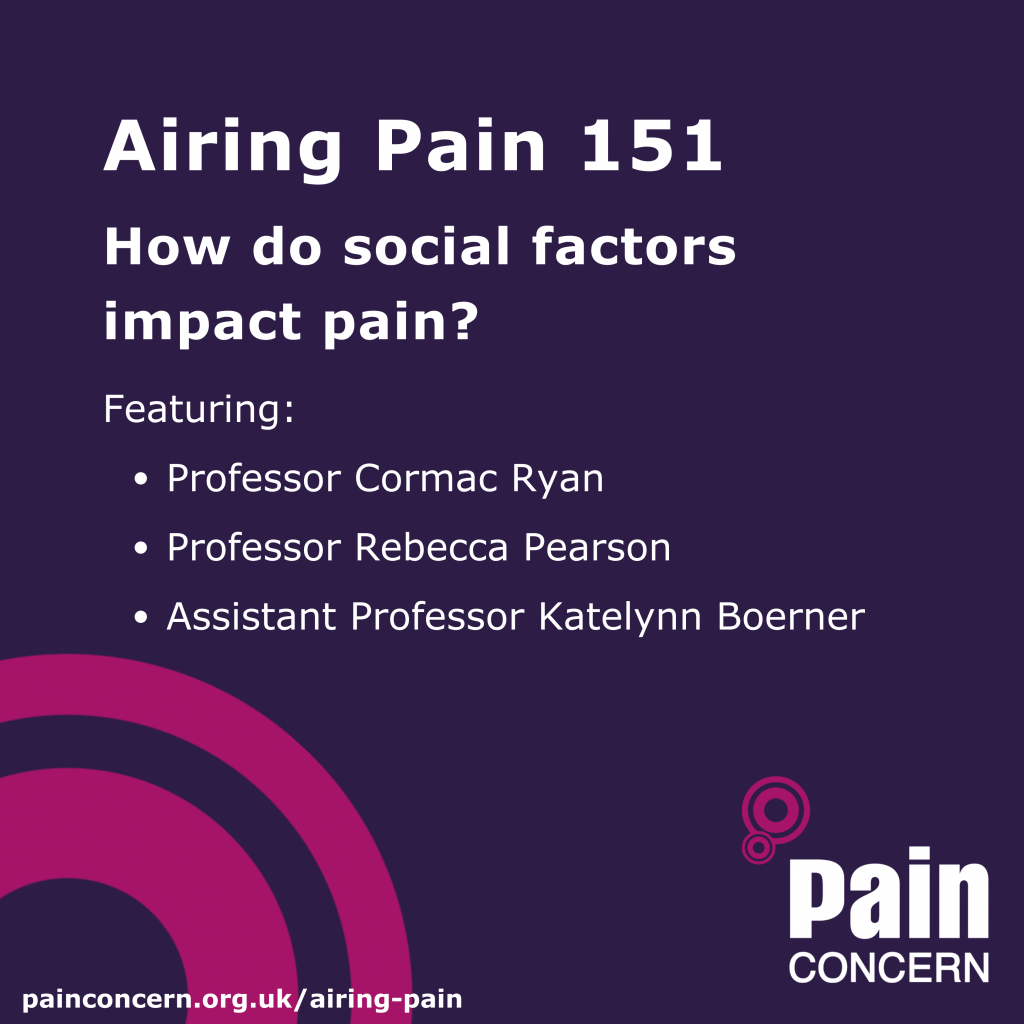
This episode of Airing Pain explores how social factors impact the onset, experience and treatment of pain.

…understanding how things like your thoughts, your fears, your social interactions influence your biology can be really, really powerful… 

…you’re not just dealing with the pain, you’re holding it in for everyone else…

…we normalise, and even celebrate, different types of pain for different genders…

  • Can stress cause chronic pain? The research, explained… with Cormac Ryan, Professor of Clinical Rehabilitation at Teesside University.

  • What can pain do to relationships? What can relationships do to pain? Pain masking, social withdrawal, the power of attunement… with Rebecca Pearson, Professor of Developmental Psychology and Epidemiology at Manchester Metropolitan University.

  • How do sex and gender affect pain? Sex hormones, gender identity, social modelling… with Katelynn Boerner, Assistant Professor in the Department of Paediatrics at the University of British Columbia.

Thanks go to: 

The British Pain Society – the interviews in this episode were recorded at their 2025 Annual Scientific Meeting. 

Peer Support. Join the community

“Having chronic pain is very lonely.”

Join the community

Subscribe to Pain Matters

Everything you need to know about how to live with chronic pain

Subscribe


In pain? Don’t understand what’s happening?

“Having someone to help you prepare for your life through pain”

Our Pain Education Sessions

Fundraise for Pain Concern

Help us to help others

Fundraise


GIRFT: A New National Focus on Chronic Pain

GIRFT - Getting it Right First Time

A major change is underway for people living with chronic pain. NHS England’s Getting It Right First Time (GIRFT) programme has launched a dedicated workstream to improve pain services across the country. The aim is better care for patients and better support for the professionals delivering it.

“We know that chronic pain affects millions of people in this country and that many thousands are unable to work or attend school as a result,” says Professor Tim Briggs, GIRFT programme lead and NHS England National Director for Clinical Improvement and Elective Recovery. “This workstream has long been a goal for GIRFT and I look forward to seeing the short and long term consequences of the work these clinicians will lead.”


Why this matters

The scale of chronic pain is significant:

  • One in three adults live with chronic pain
  • One in five children and young people are affected
  • Twenty percent of adults with high-impact pain say it prevents them from working

This contributes to millions of lost working days, financial pressure, school disruption, and strain on families.


You may also like …

Airing Pain - The podcast that gives pain a voice

If you want to hear expert voices and lived-experience stories about pain services and self-management, explore our Airing Pain podcast.


A whole-system review

To address this need, GIRFT has brought together experts across pain medicine, primary care and paediatric pain. The leadership team includes:

  • Dr Helen Makins, consultant in pain medicine and clinical lead
  • Dr Jacqui Clinch, consultant in paediatric and adolescent rheumatology
  • Dr Graham Syers, GP and system transformation lead

Helen Makins describes the programme as “an exciting and long-awaited opportunity for the field of chronic pain management. I know that there is much excellent work and innovation occurring in all parts of the system and we will be looking to highlight best practice and share this equitably around the country.”


What the workstream will cover

GIRFT will carry out peer reviews with pain services across England to identify variation, opportunities and barriers. Focus areas include:

  • Inequality in access
  • Personalised care
  • Pain education for patients and professionals
  • Digital support
  • Work and school participation
  • Safer prescribing
  • Access to multidisciplinary pain management programmes

This work will be informed by the Faculty of Pain Medicine’s 2025 gap analysis, which highlights variation in service delivery against national standards.


Why this approach matters

GIRFT has influenced change before. Earlier work on spinal care reduced inappropriate use of repeat facet joint injections for back pain. Repeat procedures fell sharply, releasing funds for rehabilitation-based support near home. Costs dropped from £27.6 million in 2015 to £7.9 million in 2020.

Professor Briggs notes that this reflects GIRFT’s purpose of “addressing challenges in the system and consequently improving the patient experience.”


What this could mean for patients

People living with chronic pain may benefit from:

  • Earlier access to support
  • Care that reflects their needs at any age
  • More consistency between regions
  • Better guidance on options
  • A shift toward rehabilitation and education rather than repeated procedures.

Dr Makins says the programme will “provide recommendations for improvement which benefit the large number of people of all ages experiencing chronic pain.”


What this could mean for clinicians

Professionals may gain:

  • Clearer national expectations
  • More reliable pathways
  • Greater focus on evidence-based practice
  • Peer review support
  • Shared learning across settings

Looking ahead

This workstream sits within NHS England and aligns with long term health priorities on early intervention, community access and workforce support. With one in three adults affected by chronic pain, progress here could shift outcomes on a national scale.


You may also like …

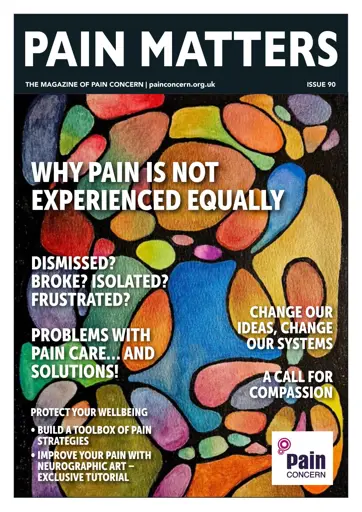
For deeper insight into lived experience and clinical practice, you can read Pain Matters magazine via PocketMags.

Peer Support. Join the community

“Having chronic pain is very lonely.”

Join the community

Subscribe to Pain Matters

Everything you need to know about how to live with chronic pain

Subscribe


In pain? Don’t understand what’s happening?

“Having someone to help you prepare for your life through pain”

Our Pain Education Sessions

Fundraise for Pain Concern

Help us to help others

Fundraise


References and Resources for Pain Matters 90

IMAGINING A FAIRER SOCIETY (Macgregor & Hill O’Connor)

Further Resources

HOW PAIN IS DISMISSED (Magel & Buchman)

References

HOSTILE BORDERS INFLICT HURT (Roman et al.)

Bibliography:
  • Roman-Juan, J., Hood, A. M., Marbil, M. G., Birnie, K. A., & Noel, M. (2025). Borders that hurt: the link between anti-immigration attitudes in Europe and the epidemic of chronic pain in immigrant adolescents. Pain, 10-1097.

  • Roman-Juan, J., Noel, M., Sharma, S., Jensen, M. P., Marbil, M. G., Birnie, K. A., & Miró, J. (2025). Making underrepresented pain visible: Chronic pain disparities among immigrant adolescents in 30 European countries. The Journal of Pain, 105533.

CHILDHOOD ADVERSITY (Hales)

More about CAPE:

MORE COMPASSIONATE & EQUITABLE CARE (Mittinty)

References:
  • Mittinty MM, Hedges J and Jamieson L. “Building evidence to reduce inequities in management of pain for Indigenous Australian people” Scandinavian Journal of Pain, 2022. https://doi.org/10.1515/sjpain-2021-0173

  • Mittinty MM, Vanlint S, Stocks N, Mittinty MN, Moseley GL. Exploring effect of pain education on chronic pain patients’ expectation of recovery and pain intensity. Scand J Pain. 2018 doi: 10.1515/sjpain-2018-0023.

  • https://www.alba.network/GSDinclusiveforms

  • https://www.who.int/health-topics/gender#tab=tab

  • Fausto-Sterling A. The five sexes, revisited. The Sciences, 2000.

  • Peters JR, et al. Improving rigor through gender inclusivity in reproductive psychiatric science. Compr. Psychoneuroendocrinol. 2023.

  • Butler J. Gender Trouble: Feminism and the Subversion of Identity. Routledge. 1990

  • Subramaniapillai S, Am Galea L, Einstein G, de Lange AM. Sex and gender in health research: intersectionality matters. Front Neuroendocrinol. 2023.

  • World Health Organization. Sexual health, human rights and the law. World Health Organization. 2015.

  • Heidari S, Babor TF, De Castro P, et al. Sex and Gender Equity in Research: rationale for the SAGER guidelines and recommended use. Res Integr Peer Rev, 2016.

  • Pieretti S, Di Giannuario A, Di Giovannandrea R, Marzoli F, Piccaro G, Minosi P, Aloisi AM. Gender differences in pain and its relief. Ann Ist Super Sanita. 2016

  • Federico O, Templeton K. A Systematic Review of Sex-Related Differences in Response to Post-Operative Orthopaedic Pain Management Protocols. Kans J Med. 2024 

  • Choshen‑Hillel S, Guzikevits M, Gileles‑Hillel A, Gordon‑Hecker T, et al. Sex Bias in Pain Management Decisions. Proceedings of the National Academy of Sciences, PNAS, 2024.

  • Dahoud S, Simpson P, Naidoo N. The Influence of Patient Sex on Paramedic Administration of Analgesia for Acute Abdominal Pain in an Australian Ambulance Service. Paramedicine, 2024.

THE LIMITS OF ‘LIFESTYLE’ APPROACHES (Blane)

Further reading:
  • Nunan D, Blane D and McCartney M (2021) Exemplary medical care or Trojan horse? An analysis of the ‘Lifestyle Medicine’ movement. British Journal of General Practice, 71(706), pp. 229-232. (doi: 10.3399/bjgp21X715721)

  • Macgregor C, Walumbe J, Tulle E, Seenan C and Blane DN. (2023) Intersectionality as a theoretical framework for researching health inequities in chronic pain. British Journal of Pain, 17(5), pp. 479-490. (doi: 10.1177/20494637231188583)

  • O’Donnell C, Hanlon P, Blane D, Macdonald S, Williamson A, Mair F. (2020)

  • We should consider prevention burden in our approach to tackling NCDs – The BMJ

DIGITAL HEALTH TECHNOLOGIES (Walumbe)

Further reading:

  • Greene, D. (2021). The Promise of Access: Technology, Inequality, and the Political Economy of Hope: MIT Press.

  • Hao, K. (2025). Empire of AI: Inside the reckless race for total domination: Penguin Books Limited.

  • Vallor, S. (2024). The AI Mirror: How to Reclaim Our Humanity in an Age of Machine Thinking: Oxford University Press.

Peer Support. Join the community

“Having chronic pain is very lonely.”

Join the community

Subscribe to Pain Matters

Everything you need to know about how to live with chronic pain

Subscribe


In pain? Don’t understand what’s happening?

“Having someone to help you prepare for your life through pain”

Our Pain Education Sessions

Fundraise for Pain Concern

Help us to help others

Fundraise


Index


3–9 November 2025

Stress is something we all experience, but for people living with long-term pain, it can become a daily challenge. Stress and chronic pain are closely linked, each making the other worse. As a result, learning how they interact, and finding ways to manage stress, can make a real difference to both your wellbeing and your experience of pain.


How Chronic Pain and Stress Are Connected

When we feel stressed, the body’s “fight or flight” system releases stress hormones like adrenaline and cortisol. These can heighten muscle tension, increase heart rate, and make us more sensitive to pain.

In addition, living with ongoing pain can be stressful in itself, causing frustration, fatigue, anxiety, or low mood. Over time, this can create a cycle where stress increases pain, and pain increases stress.


Understanding this connection is the first step in learning how to break that cycle.

Common Signs You Might Be Stressed

Everyone experiences stress differently, but some common symptoms include:

  • Feeling tense, anxious, or overwhelmed

  • Trouble sleeping or relaxing

  • Racing thoughts or constant worry

  • Changes in appetite

  • Muscle pain, headaches, or fatigue

  • Irritability or mood swings

  • Difficulty concentrating

Recognising these signs can help you take action early – before stress begins to affect your pain and overall wellbeing.


💚 Free Resources to Help You Manage Stress and Pain

At Pain Concern, we provide free information and support to help people live well with pain. During International Stress Awareness Week, we’re highlighting some of our key resources that focus on managing stress, emotions, and mental wellbeing.

In these 2 hour sessions, explore how stress affects pain and learn practical coping tools.

Free online courses and drop-ins designed to help people manage pain and stress using mindfulness techniques.

Some tips on how to address the emotional effects of pain.

Understand what stress is, the importance of relaxation when you have chronic pain along with some relaxation exercises for you to try.


🌿 Take a Step Towards a Calmer Mind

You don’t have to live with constant stress. With the right tools, support, and understanding, it’s possible to manage stress more effectively, and in doing so, improve your relationship with pain.

Explore our full range of free resources in our Resources Hub, and take a positive step towards calmer living this Stress Awareness Week.


Peer Support. Join the community

“Having chronic pain is very lonely.”

Join the community

Subscribe to Pain Matters

Everything you need to know about how to live with chronic pain

Subscribe


In pain? Don’t understand what’s happening?

“Having someone to help you prepare for your life through pain”

Our Pain Education Sessions

Fundraise for Pain Concern

Help us to help others

Fundraise


Join Pain Concern as an Outreach Worker – make a difference in chronic pain support

Your chance to be part of a small, dedicated team supporting people living with chronic pain.


About Pain Concern

Pain Concern is a charity providing information and support to people with pain and those who care for them – whether family, friends or healthcare professionals. Our work includes:

  • The Airing Pain podcast
  • Pain Matters magazine
  • A helpline offering support and guidance
  • Community Pain Education sessions
  • Research and campaigning on chronic pain issues

All pain is unpleasant, but for the 7.8 million people in the UK living with long-term pain it is a part of everyday life. It diminishes quality of life more than any other condition, leading often to loss of work, depression and disability. Anyone at any age can develop persistent pain and you will very probably know somebody affected. Although there is usually no cure, people who receive the appropriate treatment, information and support can manage their condition effectively with life-changing results.


Role Purpose

This non-clinical role supports our aim in delivering community Pain Education and providing information to help people in the self-management of their chronic pain. We are looking for a proactive, person-centred individual to raise awareness, generate referrals into our Pain Education sessions and identify barriers to engagement or access.

Our organisation is committed to safe recruitment in line with the relevant legislation and guidance. Due to the nature of the role, successful applicants will be required to undertake a PVG check and will successfully complete Safeguarding, PREVENT Duty and Trauma online training. The cost of a PVG will be covered by Pain Concern.


What You’ll Be Doing

This role is a key part of Pain Concern’s vital work in building connections with individuals, communities and partner organisations to raise awareness of chronic pain and the support available to people living with chronic pain.

  • Identify and engage individuals, groups and professionals who may benefit.
  • Promote Pain Education sessions to individuals, groups and professionals in the community.
  • Encourage referrals by proactively building strong relationships with Community Partners (e.g. local health care professionals, link workers, pharmacies and community groups).
  • Distribute educational materials and resources to ensure information is accessible and visible in key community settings.
  • Represent Pain Concern at community events and fairs to increase visibility and engagement.
  • Ability to identify barriers to engagement, access or participation within the community,
  • Adhere to Pain Concern’s policies including Safeguarding.
  • Signpost to NHS and Pain Concern’s suite of resources.
  • Assist with data collection and evaluation. 
  • Attend training sessions and supervision sessions.
  • Proactively and accurately communicate with our Line Manager.
  • Undertake general administrative duties.
  • Undertake any other reasonable duties as may be required.

At Pain Concern, it is the nature of the organisation where roles can be varied. That’s why we value flexibility – everyone may occasionally be asked to take on tasks outside their usual responsibilities to support the team and our mission.


Is This Role Right for Me?

We are looking for someone with experience, skills and qualities such as:

  • Lived experience of chronic pain or a strong interest in chronic pain and self-management
  • Excellent communication and relationship-building skills
  • The ability to work independently and as part of a team
  • Comfortable with Microsoft Teams and admin tasks
  • A positive, organised and adaptable approach

Previous experience in community outreach, coaching or facilitation is an advantage, but not essential.


Role Details

Location:

  • Based in and around Edinburgh and the Lothians.

  • Occasionally there may be the requirement to travel for beneficiary face-to-face appointments and other organisational meetings and training across Edinburgh and the Lothians. Occasional travel to Stirling and other areas across Scotland may be required.

  • This role is 90% office- or community-based.

  • Travel expenses between our office and meetings or events are covered in line with our expenses policy.

  • Please note the commute to/from the office (from your home) is not included in the working hours, and these costs are not covered.

Hours:

  • 8 hours per week.
  • Hours will be within our operational hours Monday to Friday 8am to 5pm.

Rate of pay:

  • £12.60 per hour
  • Fixed-term contract for 6 months

Benefits to you:

  • Supported by a friendly and approachable line manager
  • Access to an Employee Assistance programme
  • Regular check-ins and supervision sessions to support you in your role
  • Free on-site parking at the office

Reporting to:

  • People and Operations Manager

How to Apply

💙 Know someone who might be interested? Share this opportunity!

Living Wage Employer Credentials

Proud to be an accredited Living Wage Employer

Peer Support. Join the community

“Having chronic pain is very lonely.”

Join the community

Subscribe to Pain Matters

Everything you need to know about how to live with chronic pain

Subscribe


In pain? Don’t understand what’s happening?

“Having someone to help you prepare for your life through pain”

Our Pain Education Sessions

Fundraise for Pain Concern

Help us to help others

Fundraise


Join Pain Concern as an Outreach Worker – make a difference in chronic pain support

Your chance to be part of a small, dedicated team supporting people living with chronic pain.


About Pain Concern

Pain Concern is a charity providing information and support to people with pain and those who care for them – whether family, friends or healthcare professionals. Our work includes:

  • The Airing Pain podcast
  • Pain Matters magazine
  • A helpline offering support and guidance
  • Community Pain Education sessions
  • Research and campaigning on chronic pain issues

All pain is unpleasant, but for the 7.8 million people in the UK living with long-term pain it is a part of everyday life. It diminishes quality of life more than any other condition, leading often to loss of work, depression and disability. Anyone at any age can develop persistent pain and you will very probably know somebody affected. Although there is usually no cure, people who receive the appropriate treatment, information and support can manage their condition effectively with life-changing results.


Role Purpose

This non-clinical role supports our aim in delivering community Pain Education and providing information to help people in the self-management of their chronic pain. We are looking for a proactive, person-centred individual to raise awareness, generate referrals into our Pain Education sessions and identify barriers to engagement or access.

Our organisation is committed to safe recruitment in line with the relevant legislation and guidance. Due to the nature of the role, successful applicants will be required to undertake a PVG check and will successfully complete Safeguarding, PREVENT Duty and Trauma online training. The cost of a PVG will be covered by Pain Concern.


What You’ll Be Doing

This role is a key part of Pain Concern’s vital work in building connections with individuals, communities and partner organisations to raise awareness of chronic pain and the support available to people living with chronic pain.

  • Identify and engage individuals, groups and professionals who may benefit.
  • Promote Pain Education sessions to individuals, groups and professionals in the community.
  • Encourage referrals by proactively building strong relationships with Community Partners (e.g. local health care professionals, link workers, pharmacies and community groups).
  • Distribute educational materials and resources to ensure information is accessible and visible in key community settings.
  • Represent Pain Concern at community events and fairs to increase visibility and engagement.
  • Ability to identify barriers to engagement, access or participation within the community,
  • Adhere to Pain Concern’s policies including Safeguarding.
  • Signpost to NHS and Pain Concern’s suite of resources.
  • Assist with data collection and evaluation. 
  • Attend training sessions and supervision sessions.
  • Proactively and accurately communicate with our Line Manager.
  • Undertake general administrative duties.
  • Undertake any other reasonable duties as may be required.

At Pain Concern, it is the nature of the organisation where roles can be varied. That’s why we value flexibility – everyone may occasionally be asked to take on tasks outside their usual responsibilities to support the team and our mission.


Is This Role Right for Me?

We are looking for someone with experience, skills and qualities such as:

  • Lived experience of chronic pain or a strong interest in chronic pain and self-management
  • Excellent communication and relationship-building skills
  • The ability to work independently and as part of a team
  • Comfortable with Microsoft Teams and admin tasks
  • A positive, organised and adaptable approach

Previous experience in community outreach, coaching or facilitation is an advantage, but not essential.


Role Details

Location:

  • Based in and around Edinburgh and the Lothians.

  • Occasionally there may be the requirement to travel for beneficiary face-to-face appointments and other organisational meetings and training across Edinburgh and the Lothians. Occasional travel to Stirling and other areas across Scotland may be required.

  • This role is 90% office- or community-based.

  • Travel expenses between our office and meetings or events are covered in line with our expenses policy.

  • Please note the commute to/from the office (from your home) is not included in the working hours, and these costs are not covered.

Hours:

  • 8 hours per week.
  • Hours will be within our operational hours Monday to Friday 8am to 5pm.

Rate of pay:

  • £12.60 per hour
  • Fixed-term contract for 6 months

Benefits to you:

  • Supported by a friendly and approachable line manager
  • Access to an Employee Assistance programme
  • Regular check-ins and supervision sessions to support you in your role
  • Free on-site parking at the office

Reporting to:

  • People and Operations Manager

How to Apply

💙 Know someone who might be interested? Share this opportunity!

Living Wage Employer Credentials

Proud to be an accredited Living Wage Employer

Peer Support. Join the community

“Having chronic pain is very lonely.”

Join the community

Subscribe to Pain Matters

Everything you need to know about how to live with chronic pain

Subscribe


In pain? Don’t understand what’s happening?

“Having someone to help you prepare for your life through pain”

Our Pain Education Sessions

Fundraise for Pain Concern

Help us to help others

Fundraise


First broadcast: 16 September 2025

This edition of Airing Pain explores the transformative impact of pain education classes.

The edition is presented and produced by Paul Evans.

Edition features:

Dr David Craig

Joan Melville

Georgina McDonald

Mairi McWilliams

Lindsay McLean

Heather Wallace

Transcript begins

Paul Evans: This is Airing Pain, a programme brought to you by Pain Concern, the UK charity providing information and support for those of us living with pain, our families, supporters and the health professionals who care for us. 

I’m Paul Evans.

Heather Wallace: If you get a condition like diabetes, you are given education. It should be the same with pain.

Evans: That’s Pain Concern’s founder and CEO, Heather Wallace. Thirty years ago, she and her fellow graduates of a twelve-week pain management rehabilitation programme at Edinburgh’s Astley Ainsley Hospital were asked to set up a support group for future attendees.

That support group grew into what is now this charity, Pain Concern.

Wallace: When we talked about what people with chronic pain needed, we all wondered why it had taken so long before someone explained to us how you can turn the volume of pain up, but you can also turn the volume of pain down. And if you can learn to turn the volume of pain down, you can bring back joy, enjoyable activities and an ability to participate in life and do the things that you want to do but you thought you couldn’t do because of chronic pain. So, from twelve weeks, pain is officially known as chronic pain or persistent pain because it should have healed, and it hasn’t healed.

The brain becomes very confused at that point, and it starts sending pain signals. You don’t feel pain till it hits the brain, but the signals start firing in a confused way. So, your brain is confused, you are confused. You don’t know how to manage your pain. It doesn’t respond to medication in the way that pain should, but you need help to understand that. So, we thought that we should have education that was open to people, from twelve weeks of experiencing pain, to give them strategies to deal with the pain.

Evans: That’s Pain Concern’s founder and CEO, Heather Wallace.

Attending a multi-week pain management course for the over 8 million adults reported to be living with chronic pain in the UK is neither affordable for the NHS, nor is it convenient for every one of those persons living with chronic pain. But the key messages can be distilled in a way that’s effective and life-changing. So, the NHS Greater Glasgow and Clyde pain service team, in collaboration with Pain Concern, have developed a programme that lasts just two hours and, crucially, these are delivered not by healthcare professionals, but by volunteer graduates of the longer pain management programme – those with lived experience of living well with chronic pain. 

Consultant Psychologist Dr David Craig of the NHS Greater Glasgow and Clyde pain service —

Dr David Craig: These classes are designed to empower patients with chronic pain to understand more about the pain and how to manage it themselves. The power of these classes comes through the delivery of the information by people with lived experience. That takes the information to a whole other level – and a level that health professionals who don’t experience chronic pain really can’t take that information to.

Evans: David Craig of NHS Greater Glasgow and Clyde pain service.

So, I eavesdropped on one of those two-hour sessions at Clydebank Health Centre in Glasgow. The educators were Joan Melville and Georgina McDonald, both of whom had attended the ten-week NHS Greater Glasgow and Clyde pain management programme.

Joan started the session.

Joan Melville: One of the first things that I learned on the programme was there’s more than one type of pain, because I just thought that pain was pain, and I had lots of it. And I always thought I had quite a high threshold of pain, you know, I’ve had childbirth, I’ve broken a bone. I thought I was ok and I was managing it, but see, once my pain got to the stage that it was chronic and I was in pain constantly, I had no idea whether I was coming or going. I think I spent more time crying than anything else – and not so much crying because of the pain, but crying for me. I wasn’t me anymore. The only way that I could cope with it was to go to the doctor’s, get more pills.

Some of the pills that I got made me feel really numb. I didn’t know whether I was coming or going. It was not a life to live really. I became a bit of an emotional wreck through it all. So not all pain’s the same. So, I’m going to read this wee bit because it’s a definition by the British Pain Society. It says that ‘Pain is an unpleasant sensory and emotional experience with, or resembling that, associated with actual or potential tissue damage’.[1]

So, you break your ankle or you burn yourself. That’s acute pain, and that’s a type of pain that comes, you will heal, and things go back to normal.

Then there’s what we call chronic pain. So, there’s a number of different terminologies for that. Some people might say persistent pain or long-term pain. I was taught to call it chronic pain, and chronic pain is defined as ‘a pain that lasts for more than three months’.

And, for some of us sitting here, it’s lasted for more than three years, but it’s less easy to explain.

So, if you go to the doctor and you say I’ve got a pain here and it’s happening every day, the first thing they’re gonna tell you is what you’ve not got. So, they start doing tests to find out what you’ve not got, and it doesn’t respond as well to drugs. You know, if you’ve burnt yourself or you’ve broken something, you get medication and it takes the pain away. Chronic pain doesn’t work that way, it just happens all the time.

But the biggest thing for me was it turned my life upside down. It was the impact that it had in my life. All the little things. I love cooking but I found I couldn’t stand in the kitchen. I couldn’t stand and cook a meal. So, I stopped cooking. My husband became the main cook, and that was something I loved. You start to give up on the things that are important to you.

I stopped going for walks with my pal because it hurt too much to go for a walk. I stopped visiting other friends that had kids because the kids were too much hassle to deal with. And then I got grumpy and I got really tired.

And I was a nightmare to live with, and I think I took it out on everybody around me. I never bothered explaining to anybody how I felt. So, my family and friends clearly didn’t understand what was going wrong. Now, if I’d turned up with a plaster cast on, they would have said ‘Ooh – you broke your leg, you broke your arm’. It’s something visible. They see it, and you get that empathy. But not when you’ve got an invisible pain that nobody – including you and your doctor – knows what it is. But then I learned on the pain management programme that we’ve got a thing called a ‘nervous system’, and that was a big thing for me. At school, I didn’t do biology or anything, and I had no idea what a nervous system was. But once I understood what it was, I understood where my pain was coming from.

Now, I’m not a scientist but there’s nerve endings. And then you’ve got your spinal column. And then you’ve got your brain stem at the back of your neck, and then your brain. So, effectively, if you damage a nerve, that pain goes all the way up and your brain sends a signal saying ‘Help – you’ve been damaged’.

And, in chronic pain, when we see that your tissues have not been damaged, it’s because somewhere along the line the system’s got a wee bit confused and it just keeps sending the signal back and forward. So, there may well be no damage, like the broken leg, but your system says ‘I’m in pain. I’m trying to stop the threat of you being injured’, and that message doesn’t stop. And actually, it’s really hard to try and reset it. So, you constantly get that. It doesn’t matter how many drugs you take or how many devices you use. Like me, that message still comes – ‘I’m still in pain’.

There was a video we watched in the programme, and it was called ‘Why Things Hurt’ – have a look for it on YouTube if you can – and it was this Australian guy who told us that he had been out in the outback, he got a wee jab in his left leg, the nervous system sent a message to the spine, sent a message to the brain cell up to the brain and said ‘Ah, you’ve been poked by a twig’. He nearly died. He’d been bitten by a brown snake, which is poisonous.

But, the thing was, the next time he was out in the outback, he got jabbed in the leg and he immediately screamed ‘Aaah’, and shouted, ‘I’ve been bitten by a snake’ because his brain told him that – he was in the same environment, it was the same sort of sensation, so his brain, the memory in his brain, said ‘Hey you’ve been bitten by a snake’ and he hadn’t, he had been poked by a twig!

So, what helps these messages go back and forward is your memories, your expectations, your external environment, past experiences, beliefs – all these things are feeding into the message that the nerve endings send to the brain.

And that’s why it’s so difficult to change it, because all these things have to change. So, it means we need to understand that pain is an output for the brain. It’s the brain’s way of making sure that we’re safe. But the most important thing is that pain is not in the mind. Don’t ever let anybody tell you that your pain is in your mind. It’s just the brain’s interpretation of the signals that it’s received. It doesn’t necessarily mean that there’s damage to the tissue, but the pain is real. It’s the hard bit, trying to change the signal but it also means that your pain is very unique to you.

So, if we accept that there’s a pain signal jumping along the system. To get there, it’s released by a chemical called a neurotransmitter. And there are good neurotransmitters and there are bad neurotransmitters. And I’m sure you’ve all heard that you get painkillers that give you good neurotransmitters, and there are things that make it bad.

So, some of the things that release the same chemical to make the neurotransmitters good are exercise, doing things that make you laugh, meeting up with friends – all the things we stop doing because we’re in pain.

But there’s also things that feed the bad neurotransmitters, and that’s the depression, the feeling bad, the feeling low, excluding yourself from things that are going on. So, we need to focus on strengthening the good neurotransmitters. And that’s what’s in my toolbox. There’s a whole set of tools. Georgina is going to start touching on some of those now.

Georgina McDonald: So, how do we live our lives when we have chronic pain? We start off often by wanting to do so much. We have a good day, so we think, ‘It’s lovely, I’ll do all the gardening or I’ll do all the washing, I’ll hang it out’. You know, you do as much as you possibly can, thinking, ‘It’s a good day, I’m going to get this all done’.

But in actual fact, what happens is that our pain levels stay higher, but we haven’t been able to achieve as much and, eventually, our activity comes down, and that is this ‘boom and bust’ cycle, which we’re going to explain is not the best thing to do. So, there are ways that we can work this out, there are ways that we can change that, and that’s what’s in the toolbox. It’s giving you some ideas as to what to do.

We have this vicious cycle when we have chronic pain. One of the worst things about having chronic pain is the fear. ‘What’s going to happen, am I not going to be able to keep my job’ or ‘Am I not going to be able to look after my family?’. For me, I was in a wheelchair for quite some time and it was, ‘Am I going to have to stay in the wheelchair?’. There was this constant worry about the future, and because you’re frightened that the more that you do, the worse it’s going to be, you do less, and by doing less we lose fitness.

It’s a well-proven fact that you have to keep active to stay active. And, I think, with chronic pain the vicious cycle works right round so that eventually, because of the pain, because of the way you think, you stop doing what you want to do and what you think you can do and you then lose fitness.

And there’s another cycle where, if you think back to that pushing on, we almost try to ignore that we’re in pain. So, we have the pain and we try to ignore it, so we just keep on doing what we’re doing.

So, what’s our options? Because, as I can honestly say, there have been times in the past where I was doing nothing and could do nothing but, through using a lot of these options, I’ve now got to the stage where I am today. That’s not to say that I don’t have chronic pain still – I do, and there are days when I’m quite low because of it.

If we look at this toolbox that we’ve been talking about then there are ways of actually managing your pain and managing your activity.

Spacing is where you break up a job that needs to be done, or break up something that you’re wanting to do.

Doing what you can when you can and going with the flow. Some people will use that as an option. I don’t because the thing with that is, you can’t actually plan what you’re going to do. So, if you’re only doing what you can when you can, you’re not sure when you’re going to have a good day and when you’re going to be able to do what you want to do.

Activity planning is, I think, very important, and I plan all my activities, literally from my housework through to seeing my grandchildren.

I have a written diary. I have a proper book diary in my bag and I write down on each day what I’m doing so that I can look at it and say, ‘I’ve got something on three days next week. That’s not going to be good’. So I deliberately don’t put anything else in the diary.

I also look at what I’ve got to do. If friends say to me, ‘Would you like to go out for lunch?’ or – and that happened today – ‘Would you like to go for coffee?’ or whatever, I now ask if I can book it because I can plan to go somewhere that is safe for me and is accessible for me and I don’t have to leave the car in the car park and then walk for a mile. And don’t be frightened to tell people, ‘Actually, I’m not that good today, so can we do …?’ and describe the change, maybe what’s in your diary.

Mairi McWilliams: My name is Mairi McWilliams, I’m originally from the Isle of Lewis. I moved to Glasgow when I was 19 to study. And I’m a pain educator for Pain Concern.

I have been living with chronic pain since I was 17. It stemmed from a kidney operation that I had – pyeloplasty of the right kidney. The operation was a ‘success’, but it’s not improved my kidney, and I’ve had pain since then.

When I had the pain before my surgery, I was prescribed lots of different medications which numbed it. I’m 29 years of age now. It’s still the same, but I manage it better.

Evans: So, what has changed between now and then?

McWilliams: Educating myself on pain, chronic pain, learning ways how to manage it. I always talk about the toolbox, my toolbox. When I first discovered pain, the toolbox was non-existent, it was very much medication – like everybody goes to their GP. That’s the first protocol.

But the best thing that happened with me is not that my pain has got worse or better; I still have the same pain, but I manage it a lot better through education and adding more tools to my toolbox so that I’m in control of the pain instead of the pain being in control of me. 

The biggest hurdle you’ll come through is accepting that you may have pain for the rest of your life. And that was really difficult for my family, more than me, to accept. My mum used to be very, very desperate to fix my pain and I say to her now, ‘The best thing that I ever did, mum, the best thing you can do to help yourself is accept the fact that I have pain and I am 29 and I might live to 99 and I will have pain and I’m ok with that because I’m managing it’. If we had spoken a few years ago, I wouldn’t have been able to do this ‘cos I was such a zombie. But over time, I’ve learned to be more switched on because I’ve managed my pain. But that doesn’t mean I don’t get flare-ups, and some days it’s really bad and I can’t control that either, which is quite frustrating.

I’m easier on myself when I have pain, just to say, ‘Can’t work today, and that’s ok because I know I’m in pain. I don’t need to justify it to anyone else’.

Evans: So, people have to find their own way to live with pain?

McWilliams: Yeah, I would say it’s a very individual experience. Everyone’s pain journey is different. I think talking with people with chronic pain helps. I used to speak to people, anybody. At Tesco, ‘How are you today?’ ‘Oh well, let me tell you about this …’.  But I was exhausting myself. See, now I’ve got a community of pain educators around me. And see, when we deliver the sessions to people, it’s not pain educators and participants. It’s one big community. We are all living with chronic pain. We get it. We’re seeing it in our feedback all the time. I did a session yesterday and somebody said, ‘Yes, the presentation’s wonderful, but the most important thing for me was the fact that I was with people that could relate’.

McDonald: So, we want to go back to pacing. So, pacing is where you have something to do or where you want to build your activity. But you do it in manageable steps. Even on a good day, we often have a bit of background pain. Our baseline is what we can do comfortably before the flare-up pain kicks in. Baseline is starting off very steadily and then building up something.

For me, it’s Braehead. I like to go to Braehead shopping. But it used to be that I could get out the car and go to Marks & Spencer’s and back to the car, and that would be my first line. And then I would walk to the next entrance at Braehead. And there’s a coffee shop, and that would be the next step up. And so it went on till, on good days, I can go right along to Next and have a coffee at Next, walk back knowing that the car’s at the other end. I can have a coffee or a seat if I need it when I get to the other end.

But that’s not to say that there are not days when I get to Braehead and I walk in and I get along to where the lifts are and think, ‘You know what …’. And it happened the other day, I was going to Superdrug to do all sorts of things, and I just turned and came back. But it just means that I start off again and build that up. And if you have goals in your life of things that you really want to do, then achieving them, it’s an amazing feeling. So, all of that then comes through when I keep myself active and keep my mind active as well. It’s not just about your body, it’s the mind as well.

So, look for things that are important to you. Do a self-assessment. How much can you really do? Don’t start off at the top of that activity level. Start off carefully, pacing yourself from your baseline, so that you’re starting at a level that is good for you, and build on that because there’s nothing worse than going at something and then not being able to do it, and you get all these negative feelings coming in rather than positive ones.

Develop a plan and aim to build it up gradually, so that may be anything from walking to swimming to cooking, knitting, gardening, whatever it is. Look at what you want to do and build it up properly – thinking through, ‘How will I achieve that?’. Don’t set yourself a plan that’s going to be outwith your capability.

Reward yourself along the way, but be kind to yourself, because the one thing about chronic pain is nobody else knows what your pain is like. It’s invisible. It’s only you who knows exactly what the pain is like. So, when you’ve achieved something, reward yourself, and that gives you that positive feeling, and just say ‘I’ve done well, I’ve done something’.

Lindsay McLean: I am Lindsay McLean, and I have lived with chronic pain for 15 years.

I went from being a very independent, energetic, social, active, employed person to having to leave work, having to depend on others for basic care. I became housebound and bedbound, and all my future plans – everything –just stopped, and that was just as I was turning 30. It was quite a bitter pill to swallow because I always thought as well that pain doesn’t improve with age. The older I got, it would get worse. So, I thought ‘Oh, that’s me. This is my life now, and it’s going to be a very miserable, lonely and just really restrictive life’.

Evans: And has it been?

McLean: No. I am very pleased to say it has not been.

I had a lot of medical appointments, a lot of medications, investigations with very little success. But then, when I moved to Glasgow, I was referred to the Glasgow pain management programme. I had these preconceived ideas of what I would expect at this group. I thought it would all be people above a certain age. I thought everybody would be judging me because I heard frequently that I was too young to have chronic pain.

And so I thought I would actually be told to leave the group, but when I got there, it was such a welcoming and friendly environment, the pain management team were so informed. And, for the first time, I just felt ‘I’m not alone with this’. And these people get it. They took me through the science of pain, pain education, stress management, sleep hygiene, pacing – just lots of techniques and strategies on how to self-manage my pain and basically give me the power back, where I was in control of my pain and not the other way round. And it was a very, very slow process, but over time, I was getting my life back step by step, and it’s just, even now, even after ten-plus years of doing it, I just felt it was fantastic.

Evans: Well, you mentioned one word, well two words actually – self-management.

McLean: Yes.

Evans: You’re on your own. Get on with it. Is that what it means?

McLean: It’s really about informing the person with pain about how to manage their pain and how to put these practices into their daily life and how to challenge your own thinking, your thoughts, again, the limitations we can put on ourselves. Having the information helped me a lot because of the things I was trying to do. 

For an example, I used to love going to the cinema, and that was something I had to stop completely because it just didn’t seem worth it for the pain I was getting. When I was on my elbow crutches and I thought, ‘Oh, we’ll try this again’, I would go and I would manage it fine with my friends and the support they would provide, but then I would start thinking, ‘Well, what happens if I have a flare-up and I can’t go out, what happens if I flare-up when I’m out and then I’m stuck, what happens if my friends think “Oh, you know, I’m getting annoyed with this”’. The fact that I had to make little adjustments like ‘Oh, can we stop here for a seat first?’ or ‘Can we go to a cinema closer to me so it’s not too much travelling distance?’. And I just got so consumed with all these thoughts and worries and fears that I thought ‘Do you know what, it’s not worth it, I’m better off just not going. I’ll try again on a better day’.

And then, of course, I worried that I wouldn’t be able to sit in the cinema seat for the duration of the film. But again, these fears became like a self-fulfilling prophecy because when I did try, it was like a shock to my system. My body did flare up in pain so I went away thinking, well I tried, I have pain so therefore it means I cannot go to the cinema anymore.

Now, that was not because of my pain. That was because of my fears and my thoughts, and that made me stop going to the cinema, and my body started to lose fitness, and I didn’t understand all that. So, I just thought chronic pain means no cinema. Whereas when I went and learned about pacing up and strategies and techniques and, again, challenging my thoughts and my fears and thinking how I would support somebody if they had chronic pain and what my attitude would be towards them, and things like that, I tried again and I was successful. Now I frequently go to the cinema, despite pain, and even times when I have flare-ups I can still go to the cinema but I make adjustments. But, again, it was having that knowledge and that guidance to self-manage in the correct way, because activity is very, very helpful for pain but you have to know how, and recognise your limits, and that’s why the education was so vital to that because it really did show me ‘Right, ok you’ve got the motivation, you’ve got the goal that you want to work towards, let’s find a way to do it’.

McDonald: If I’m honest, fear is one of the biggest emotions that I have with regard to chronic pain. If I have a new pain, or if it gets a bit worse, I think ‘Ahh’ and the frustration of not being able to do what you want to do brings with it stress. It can affect our thinking. ‘I can’t cope’ and ‘What if’ and ‘I’m useless’ – that’s all coming into that anxiety and fear.

What has stress got to do with chronic pain? Well, pain is stressful. If you go to get up off a seat or if you go to do something and you’re in pain, immediately your shoulders get tight, your chin goes down, and you feel that kind of ‘pulling yourself in’, that’s a sign of stress. And all of that, the pain, the worry, the less activity, is in that cycle that we talked about earlier where the pain causes us to worry, so to do less – sensitised nerves – the whole thing goes round and round into a vicious cycle.

If you think about your behaviour when you have chronic pain – you stop doing things, maybe things that you’ve really enjoyed. You are so concentrating on, ‘I’ve got to keep going but I’ve got this pain’, then your thinking becomes the next step, ‘I’m useless, I’m not able to do things, I’m getting worse’ and your thoughts then almost take over and you will then end up with physical sensations of tummy upsets, perhaps a headache.

My biggest problem was I used to sit with the shoulders up because I was trying to protect myself. So, physical sensations come in and then you have the fear, all the emotions that you have, the feelings of being useless, the feelings of, ‘What are people saying about me?’, and that comes in with the thoughts as well, because if you have to cancel something, you know, you’ve maybe been asked to do something and you think ‘It’s a bad day – I can’t do that’ – your first reaction is they’re going to think, ‘Och, she’s sore again’. You’re feeling as if you’ve let people down.

So, there’s all sorts of things tied up in that, and all of these interact with each other, but if we can just find a way of altering one of them, then it breaks that cycle.

The more I could have positive thoughts and say, ‘Well, do you know what?  I actually did such and such today, I’ve achieved this’, and the thoughts that are positive can break a bit of that stress cycle. There might be things that we can change, and there might be things that we can’t change.

So, feelings and pain aren’t easily changed but we can influence how we think, and we can influence what we do, and that’s your behaviour. If we’re thinking about what we do, it’s about not, maybe, cancelling something, but saying ‘Well could we do it in a slightly different way?’ and changing one or two of the parts will help all of them. It can influence the others. It can break that cycle. And that’s what we want to do, so that that doesn’t just keep going round.

So, sometimes we need to look for help. If you want to go out for a walk but you know you’re not keen on being on your own, then ask someone to go with you. I remember not telling people that I was in pain, and I would make all sorts of excuses, and I was giving myself more stress because I wasn’t actually being honest with other people.

Well, sometimes when we have chronic pain, it’s hard to sit down quietly and think through things. Later on we talk about mindfulness or relaxation, and that’s when you’re able to sit and think things through calmly and see things in the right way. A thought is just that – a thought.

McLean: I am confident in my own abilities now – how to manage my pain and when flare-ups happen. I’m still learning to this day because life revolves, it doesn’t stay all the same. I found my rhythm with my strategies in place and the education that I had, it got into a kind of rhythm and a routine, – but then, when I had my son, obviously having a child will throw that routine out the window, and you have to kind of evolve and learn and take a step back and think ‘Right, what do I need to work on?’. And, again, I’m a single mum to my son. Even when I was pregnant, I thought the only reason that I can have my son and keep up with him is because I have my partner’s support. Well, again, I was putting limitations on myself and, having the education at my back, it really again reminded me to challenge my limitations and, again, now my son and I, we have a wonderful life, a very independent, active life, and even now I never thought I could do that myself. But again, I have all these tools and the knowledge and the strategy and the confidence and motivation. It’s expanded my world, and I did not believe that that would ever be possible.

Evans: But it’s a huge, monumental step from ‘I can’t do it’ to ‘I can do it’.

McLean: Yes, it’s about kicking those ‘buts’. ‘I have pain but I need to go shopping’ as opposed to ‘I have pain and I need to go shopping’. Even just changing the words – just going ‘Well, I have pain and I need to go shopping, I can do this’ rather than ‘I have pain but I need to go shopping’.  It’s again, just challenging the thoughts, challenging your thinking. It’s just been a very life-changing experience.

Melville: Georgina spoke about overthinking things and changing your thought process. I don’t need my brain system to tell me that there’s potential for fear. I make it all up in my sleep. So, I can go to bed, quite the thing, and then wake up in the middle of the night and I’m dying because I start overthinking – one thing leads to another, leads to another, and I can’t get back to sleep, and I toss and turn. And then I get upset, and then I start to worry, and then I get stressed, and we’re back in that stress cycle – I can’t get to sleep, pain wakes me up, and I just go round and round in circles.

I learned through the pain management programme to slow down my breathing. The mindfulness bit I was never very good at it. We had a guided mindfulness, and the guy that spoke, his voice went through me, and I’ve got a thing about symmetry, and he had done all of the guided meditation up the left-hand side of your body, but he didn’t spend the same amount of time or touch the same bits of body on the right-hand side, and I was ‘No, I cannae do that’ [laughter], so that stressed me.

So, I went and I found somebody who had a voice that I did like on YouTube, and I used that. And, whilst it’s not my favourite thing, what I did learn was how to relax. I learned what it was like to have your shoulders up and what it meant to relax your shoulders, and I had relaxed bits in my body that I’d never relaxed before. So, I do use that when I’m up during the night. 

There is a myth about, you know, you need eight hours sleep – you don’t, and you can’t catch up on sleep because your sleep has to go through a number of different cycles.

So, you’ve got REM. Have you heard of that? That’s when you start to dream. And then you’ve got your light sleep, and then you’ve got your core sleep, so your body will naturally balance out – if you miss it in deep sleep, it will fix it over the next couple of nights. So, you don’t need to ‘catch up’ on your sleep. 

Turning your bedroom into a living room [laughter] – I’ve got crochet at the side of my bed!! I’ve got several books because when I wake up, I used to do something because I couldn’t get back to sleep. But you end up… you’ve got a TV in your room, so you put the TV on or you get your iPad up, and before you know it, you’ve turned night into day. So, you’ve been up all night doing things, and then you’ve slept all day.

So, what I found was trying to set a routine. I have a really strict routine, and this is how I get to sleep at night and how I stay asleep. I have an alarm that goes off at 10.45 pm each night that tells me it’s time to go to bed, and I follow the same routine every night. I go to bed and I get up at the same time in the morning, every morning – weekends and holidays – because that’s my routine now. That’s what helps me sleep.

Now, when I set that up as my routine, that didn’t mean to say that I was used to going to bed at 10.45 pm every night. I certainly was not. It could have been 3 am because I had been up or I had slept half the day. So, you set your watch ten minutes earlier. Go to bed at 2.50 am and, just as Georgina said about the pacing and spacing, pace until you get back into a normal routine. So, half an hour earlier, half an hour earlier, half an hour earlier until you get to bed at the time that you need to be in bed, and you can get up at the time that you need to get up.

So, I’m one of these people – I make my bed when I get up in the morning. So, when I go up to my bedroom, my bedroom looks like a bedroom. And I know that I need to go to bed and have that routine – 10.45 pm up the stairs, jammies on, toothbrush, hairbrush, all of the things that I do… plaster myself in cream hoping that I’ll look younger in the morning! That’s my routine. Takes me 15 minutes, and in that 15 minutes, I’ve told my brain it’s bedtime.

So, when I wake up in the middle of the night because I haven’t been able to get to sleep, my go-to is not to lie in bed and think and worry about it and then overthink things and get back into that cycle – I get up. I have a 15-minute rule. So, if you haven’t fallen asleep in the first 15 minutes, get up for 15 minutes.

But, in the pain management programme, they told me not just to get up for the 15 minutes, but to go to a different room. So, it’s all about the brain.  So, I would go to a different room – that could be a walk downstairs and then a walk back up – and then I’ll go through my same routine that I have to go to bed. So, I’ll go back to the bathroom, brush my teeth, brush my hair, put my cream on because I’m telling my brain again, ‘It’s time to go to bed’. And then I start to feel sleepy. What I don’t do is put on an iPad or a phone because the blue light will make you even more awake.

So, what are the sort of things that stop you from getting to sleep at night? 

Tea and coffee, make sure it’s quiet and dark. I’ve never had curtains in my bedroom – I like the sunlight coming in – but now I’ve got curtains up in it. I follow my 15-minute rule. I go to bed at the same time, so I’ve gradually got to the stage that I can get a decent night’s sleep now. For me, it’s 4 am, that’s when I wake up. That’s usually when my pain threshold’s enough. And I get up. That’s when I start to sit and worry. And that’s when I’ll apply some of the techniques that Georgina spoke about in stress. So, I will try to use my meditation to relax myself, not to overthink things and slow down my breathing. What happens to me if I wake up is that worry – I’m not gonna be able to work tomorrow, I’m self-employed, I’m gonna be overtired and can’t work, that means I’ll not get any money, but if I’ve not got any money, how am I gonna pay for the electricity bill? I need to turn the heating off, and it is just one thing into another into another.

So, one of the other techniques we were given was ‘park it’. Park your worries. So, notepad at the side of your bed. If I start worrying about something in the middle of the night, I write it in my notepad and I deal with it tomorrow. And that allows me to clear my mind enough sometimes to get back to sleep.

Don’t get desperate. So, if you can’t get to sleep one night, then still try the next night to bring it forward by half an hour or get up and do the 15-minute rule. None of us can change things overnight. Everything takes time. Persevere. You’ll find the thing that’s right for you.

McDonald: So, life is still worth living, even with chronic pain.

You can have a different life but you can have a good quality of life, and I think probably Joan and I are evidence of that fact that, yes, it’s not all sweetness and light, and we’re not saying that it is. But what we’re saying is there are ways of dealing with the chronic pain. There are days when I think ‘I can’t cope with this’, but you do, you get on. You look back at what you’ve learned, and you think ‘Yep, tomorrow will be better’. And look for the help that you can get, whether it be from your pharmacist, your doctor, your community nurse or your family, and get the support that you need.

And don’t forget to be good to yourself. Be kind to yourself, be selfish. That’s the only way you’ll actually get through.

I hope you’ve enjoyed… Do you have any questions, or have you found it challenging or has it made you think? [fades away]

Evans: Georgina McDonald bringing that pain education session to a close.

Now, these in-person sessions are for people living within the NHS Greater Glasgow and Clyde Region. They take place at the Clydebank Health Centre between 5 pm and 7 pm on the second Thursday of each month and at Easter House Health Centre from 10 am until 12 noon on the last Thursday of each month.

You don’t need a referral, but you must phone 0141 355 1493 to book your place or to find out more information. That’s 0141 355 1493, or you can pick up an information leaflet at your local GP Health Centre.

This edition of Airing Pain was recorded in mid-2025, so do check for the current arrangements.

But for those not living in Glasgow, or unable to attend the in-person sessions, here is an alternative. Pain Concern’s Heather Wallace —

Wallace: We’re now working with the NHS to provide sessions online because so many people, one in five, have chronic pain. Everyone needs to take a role in trying to change that situation, and we’re just trying to widen access and allow as many people as possible to get access to pain education that gives them the tools that, with practice, enable them to live well with pain.

Evans: Pain Concern’s Heather Wallace.

For more information on those online sessions, go to the Pain Concern website, which is painconcern.org.uk, or just put ‘Pain Concern Education Session’ into your search engine. As in the NHS Greater Glasgow and Clyde in-person sessions, these are free of charge.

For more information or to book a place on one of Pain Concern’s online pain education sessions, call or text 07421 125638; or you can email pain-education@painconcern.org.uk; or go to Pain Concern’s website at painconcern.org.uk to book online.

And I’ll remind you, as I always do, that whilst we in Pain Concern believe the information and opinions on Airing Pain are accurate and sound, based on the best judgements available, you should always consult your health professionals on any matter relating to your health and well-being. They’re the only people who know you and your circumstances and, therefore, the appropriate action to take on your behalf.

Now, it’s important for us at Pain Concern to have your feedback on these podcasts so that we know that what we’re doing is relevant and useful, and to know what we’re doing well and maybe not so well. So, do please leave your comments or ratings on whichever platform you’re listening to this on, or the Pain Concern website of course. And, once again, it’s painconcern.org.uk. That will help us develop future editions of Airing Pain.

We’ll end this edition of Airing Pain with pain educators Mairi McWilliams and Lindsay McLean. And, in case you’re still in doubt as to why you should attend a Pain Education session…

McWilliams: There’s lots of reasons why you should join a session, but the biggest one for me as an educator is the fact that we’re all the same. It’s just a big chat. It’s not like you’re the participants and we’re presenting a presentation to you – a generic presentation. It’s tailored, it’s evidence-based. We talk about things like sleep hygiene, which I’ve never thought about before, stress and pain, activity and pain.

McLean: When people come to pain education sessions, they are maybe still in a place where they’ve not had very much success managing their pain. They’ve maybe perhaps started to distrust, maybe a strong word, but the health professionals or the advice that’s coming. So, when they hear somebody that’s been part of that process and going, you know, ‘This information will help, it’s not a quick fix, it’s something you have to work to but it’s something you can be supported with’, you find a lot of people start to become more open, more receptive to it. I feel it gives them that bit of hope because I can honestly say I have been where you’ve been and I get it. Obviously, I never understand everything that that person’s going through, but enough to know that it’s not hopeless.

There are so many possibilities ahead, it’s just a bit of encouragement.

McWilliams: I just guarantee that you’ll come away with something.

Just do it!


[1] https://www.iasp-pain.org/publications/free-ebooks/classification-of-chronic-pain-second-edition-revised/.

Transcript ends

© 2010-2025 Pain Concern. All Rights Reserved. 

Registered Charity no. SC023559.  

Company limited by guarantee no. SC546994.  

62-66 Newcraighall Road, Edinburgh EH15 3HS. 

Peer Support. Join the community

“Having chronic pain is very lonely.”

Join the community

Subscribe to Pain Matters

Everything you need to know about how to live with chronic pain

Subscribe


In pain? Don’t understand what’s happening?

“Having someone to help you prepare for your life through pain”

Our Pain Education Sessions

Fundraise for Pain Concern

Help us to help others

Fundraise


1 2 3 49