Information & Resources

Find information and resources to help manage your pain.

Get Help & Support

Find the tools you need to
help you manage your pain.

Get Involved

Help make a real difference to people
in the UK living with chronic pain.

About Us

Find out about Pain Concern and how
we can help you.

Volunteer Friendly Award logo

Pain Concern is delighted to have achieved the Volunteer Friendly Award. The award is a user-friendly quality standard which supports, recognises and rewards groups who are good at involving volunteers.

We received feedback that our commitment and dedication to volunteers was evident throughout the Volunteer Friendly Award submission, as was our appreciation of volunteers. Our submission was considered excellent and feedback also highlighted how much people enjoy volunteering at Pain Concern, feel supported and get a lot out of volunteering with us. 

Pain Concern Volunteers

Our resources and helpline support are for anyone in the UK who has chronic pain or supports someone who does (including healthcare professionals). To do this, over forty-five volunteers from across the UK and beyond support us in a variety of roles such as helpline volunteer, office, research, illustrations, marketing, social media, website, editorial, audio transcriptions, broadcast assistant and our Listener & Readers Panel members.  

Our volunteers are fundamental to the success of the charity. The submission involved surveying volunteers, who fed back that they felt that their contribution is valued, meaningful and rewarding and 100% of respondents felt Our volunteers are fundamental to the success of the charity. Our Volunteer Friendly submission involved surveying volunteers, who fed back that they felt their contribution is valued, meaningful and rewarding and 100% of respondents felt their expectations, reasons and motivations for volunteering were being met. 

Volunteer Award Feedback

We received the following comments in response to our submission:

‘Overall, the portfolio of evidence submitted by Pain Concern for the Volunteer Friendly Award is exemplary. It highlights the important and outstanding work and volunteering at Pain Concern which is making a real difference for people and the community.’

Mike Melvin, Volunteering Services Manager, ACVO,

‘An excellent submission for the Volunteer Friendly Award from Pain Concern, who have not only met but exceeded the requirements across every strand of the award. It was encouraging to hear the voices of your volunteers, who felt their contribution was welcomed and valued and that Pain Concern was inclusive towards all volunteers, regardless of background.’

Katy Penman, Volunteer Scotland

What is it like to volunteer with Pain Concern?

The Scottish Government recognises that volunteering matters and that it’s all about new experiences, feeling good and making a difference. Here’s some feedback from a couple of volunteers on their experience with Pain Concern: 

‘I chose to volunteer with Pain Concern for many reasons; I really like Pain Concern’s objectives as a charity, and I believe Pain Concern is one of the rare charities providing emotional support, and practical advice for people living with pain. I find it fascinating hearing service users diverse stories on the helpline, and knowing every day is different with different topics of discussion.

I would tell other people who are thinking about volunteering that being with a charitable organisation is rewarding, and good for mental and physical health. Since joining the Pain Concern team, I feel I am not alone with my pain, and I truthfully recognise the pain of service users.’

Jo, Helpline

‘When I first started volunteering at Pain Concern as a research assistant, they explained that it was a partnership and although I would be helping them, they were also able to help me with any skills I wanted to develop or to get involved with anything I found interesting at the charity.

I mentioned during one of my weekly meetings with Sam my supervisor, that I was looking into starting a career within psychology and from reading job descriptions and person specifications, one of the main requirements needed was direct experience of working with services users who had physical and/ or mental health conditions… Sam then very kindly offered to train me on the helpline so I could gain direct experience of supporting people in their chronic pain journey.

This has been extremely beneficial not only to me as I have been able to increase my knowledge and expand my interpersonal experience, but it has also been beneficial to the service users. I love being a part of the helpline team and I have felt a great sense fulfilment.’

Katie, helpline

We are delighted with this outcome and welcome anyone who is interested in volunteering with us to look at our current opportunities.

Peer Support. Join the community

“Having chronic pain is very lonely.”

Join the community

Subscribe to Pain Matters

Everything you need to know about how to live with chronic pain

Subscribe


In pain? Don’t understand what’s happening?

“Having someone to help you prepare for your life through pain”

Our Pain Education Sessions

Fundraise for Pain Concern

Help us to help others

Fundraise


First Broadcast 1st December 2022 

What is mental defeat and does it have an impact on the experiences of those living with pain? 

In this edition of Airing Pain, Paul Evans interviews the team at the Warwick Study of Mental Defeat in Chronic Pain (WITHIN Project), and research participants, as well as taking part in the study as a participant himself.  

The study, which runs until May 2023, is investigating how mental defeat can influence pain sensation, sleep patterns, social activity, physical activity, and the general health of individuals who have chronic pain. 

Mental defeat is defined as the perceived loss of autonomy in the face of uncontrollable, traumatic events. In the context of chronic pain, this can be explained as a loss of identity and self in relation to repeated episodes of pain. 

Paul talks to the team about their experimental, lab-based study and the sleep-tracking survey, then undergoes the lab experiment himself. Afterward, he discusses how he found it and the possible outcomes of the research. He also interviews other participants on their experiences. 

Research into mental defeat is in its early stages. It is hoped that the WITHIN Project will generate important information to help us further understand the influence that mental defeat has on distress and disability in chronic pain patients. This is essential listening for anyone wanting to know more about the research process or wanting to participate. 

Issues covered in this programme include: Mental Defeat, pain research, insomnia, psychological effects of pain, chronic pain, patient perspective, acceptance and commitment therapy, research participation, pain thresholds.  

Paul Evans: This is Airing Pain, a programme brought to you by Pain Concern, the UK charity providing information and support for those of us living with pain, our family and supporters, and the health professionals who care for us. I’m Paul Evans. And this edition of Airing Pain is funded by the Medical Research Council.  

Nicole Tang: Mental defeat is a rather abstract concept. It is a concept that has been developed in the field of depression, post-traumatic stress disorder and even in the field of suicidality. It is only when I have spoken to a large number of pain patients themselves, when I ask them about – you know – how they feel, how they interpret their current situation, they talk to me about something – pain being the enemy. That they have to face it every day and they talk about how defeating it is, especially for their mind, and they talk about how the pain has taken over, how they feel they are belittled by the pain, and sometimes they even think that they don’t feel like they are human beings anymore, they feel like they are just a walking sort of ‘blob of pain’ and that is a very remarkable quote from one of the participants of our studies.  

Evans: Nicole Tang is Professor of Clinical and Health Psychology at the University of Warwick. She is Principal Investigator of the WITHIN Project, that is the Warwick Study of Mental Defeat in Chronic pain. The study’s investigating how mental defeat can influence pain, sleep, social activity, physical activity, and general health and well-being, in people who have chronic pain. But that word ‘defeat’ ….? 

Tang: By ‘defeat’ we try to use that to describe the deeper psychological impact of living day-to-day in battle with pain. When the pain is winning you will get to feel defeated, you will get to feel that you are not winning the battle, or the pain is taking over.  

Evans: So, you are actually talking about a battle against the pain? 

Tang: In a way, I mean, this is what we have heard from qualitative interviews with a large number of chronic pain patients when we talk to them about the psychological experience, how they deal with pain on a day-to-day basis. This is usually something that we get – particularly from those individuals who are most affected by chronic pain.  

Evans: Now you’ve just been talking to the International Association for the Study of Pain Conference, and you showed them a series of images of how pain might feel. One of the images you showed was of a person sitting on the floor and knees up to their chest with flames all around them. That is total helplessness, that really, really shows what it’s like and how dark the tunnel is.  

Tang: You can use the word helplessness to describe it, but I think mental defeat goes beyond just helplessness. If you think about defeat as something that could help to describe the deeper impact of chronic pain it has something to do with people’s self-identity – who they are, you know – what pain has made them become. Sometimes you will hear people say, ‘Wow I am not myself anymore, I used to run marathons but now I can’t even walk a mile.’ They would feel like they have been changed by the pain forever, they have been reduced. So, there is some element about that defeat concept that is not represented by just helplessness, and it goes beyond that.  

Evans: The way you are saying it, it is final; defeat is final.  

Tang: Well, I hope that is not the case because our current research is to find out a little more about that experience, to see how changeable it is over time and what we could potentially do to change that, because we believe that it could potentially be something that we could target in intervention, to help people to make a slightly different interpretation of their situation, because we thought that it is based on how people interpret their current situation in relation to the struggle with chronic pain. If we manage to change that perspective, there is actually hope somewhere that we can help people to see the light at the end of the tunnel.  

Evans: Perhaps I wasn’t right to say it is final, but the perception may be final.  

Tang: That’s what we hope will be the case and that’s what we are striving to understand. But unfortunately, we have also found out that there is a link between the sense of perception of defeat. If it is coming across as final to the person it could potentially increase the risk of suicide in this clinical population and so that’s why I cannot generalise whether or not it is final to such an individual. But we certainly hope that we can work towards understanding the concept and, if it is something that feels quite final for a fleeting moment, or for a short period of time and we can change that, then that is totally something that we need to do in the development of intervention – to not overlook, you know, how much pain could potentially affect a person’s self-identity and how they see themselves, their value in the world. To help them to see, you know, a positive side, you know, the future that can be changed, they can be an agent of change for themselves even though pain medication may not be helpful, even though there may not be an immediate cure for the chronic pain.  

Evans: Nicole Tang. So, I am just thinking of the chicken and egg scenario. Which comes first? Defeat leading to pain or pain leading to defeat?  

Jenna Gillett is a PhD student working with Professor Tang on the WITHIN mental defeat study.  

Jenna Gillett: This is the golden question. The research in terms of defeat is actually fairly new, specifically to chronic pain anyway, in that we are … that’s part of what we are doing within the study – we are trying to track defeat over time to see does it change? Is it the same? Do certain things maybe increase defeat? Is it related to certain other factors, such as self-compassion, pain, self-efficacy? 

We are looking at, sort of, how does defeat manifest in people? When you talk about it with other clinicians, when you talk about it with people who live with pain, lots of people go, ‘Yes I know exactly what you are talking about, I have seen this in my clinic, I have seen this on the wards, I have seen this in my friends when I go to my Fibromyalgia Support Group’. Lots of people know what you are talking about in terms of, ‘I can relate to the experience’, but not many people go, ‘Oh, so that’s called mental defeat is it?’. So, part of what we are doing is, I guess, getting the word out that, in terms of psychological variables, in particular, this is something worth looking at. It’s something that is really important in terms of helping people live well with pain – and mental defeat could be a really interesting and quite important variable that we need to be paying more attention to.  

We have a Sleep and Pain lab so, as the name implies, we are looking at the sort of people who have issues with their sleep and also people who experience chronic pain. Typically, what you find is that people who experience chronic pain also have worse sleep. They might struggle to fall asleep; they might struggle to stay asleep. A lot of them will meet the clinical cut-off for diagnosable insomnia. So, this is again something that Professor Nicole Tang has paved the way for in this kind of area of research. 

OK, so we are looking at people’s pain outcomes, but we also need to look at their sleep as well because this is a massive area of health that is really, really important to the overall experience and, again, living well with pain. So, the sleep tracking study fits in here. It’s a specific branch of the study. It has unfortunately closed to testing now, but we are so grateful for the people that did do it because the data is going to be so rich, and we are going to be able to really learn a lot from this particular design of this study. 

Evans: That’s Jenna Gillett. [Now over to] Nicole Tang.  

Tang: Sleep could potentially be one of the many pathways that will change the way in how you perceive pain. And change your mood because if you are not sleeping well you will wake up grumpy, you will wake up feeling irritated, tired, not feeling that you are ready to face the day. And so, it has a huge impact on pain management and so we felt that sleep could potentially be one of the pathways. And also, sleep is not detached from what we do on a day-to-day basis so we have a tracker where we can use that to monitor both sleep and physical activity during the day. So, we are going to look at the participants’ data to see how perception of defeat is linked to these day-to-day processes and then peoples’ pain experiences and outcomes.  

Evans: Well one thing I would say is that after a poor night’s sleep, I certainly ache a lot more.  

Tang: When people are sleeping better their physical activity level will go up because they feel better, they feel like their body is ready to take on the day and this is something that we have seen in our own research data where, without any intervention, following a night of good quality sleep people spontaneously would do more the next day. And so that’s the magical quality of a good night’s sleep. It is a daily therapy for people, it refreshes you, it helps you to face the next day and so sleep is really important.  

Evans: But how in your study, using sleep and the pain experiment, how do these two things link in together? 

Tang: So, they will be treated separately because we have three elements, like three branches of the whole programme of study so we are using a different approach . For the experiment we will be more focused on looking at the activation of mental defeat and its direct effect on, you know, your pain rating and pain anticipation, etc. For the other study – where we are testing the association between defeat, sleep, physical activity, and pain – we take it out of the laboratory in people’s day-to-day life, in their usual environment to see how the different pathways translate the sense of defeat into what we do and what we experience during the day. So, they are complementing each other but the data will be analysed separately.  

But you are right when you said earlier that when you didn’t have a good night’s sleep you tend to ache more during the day and it is exactly what we found in experimental research when we introduce sleep deprivation in healthy, pain-free volunteers and even for those young adults with no pain whatsoever, if we take away the sleep they tend to complain about pain a little bit more and when we do testing they feel the pain more. So that is the interesting thing about doing research, you can actually see the association really clearly.  

What we understand these days is that when the sleep disturbance has been here for some time it takes on a different shape and form so the mechanisms that maintain the insomnia would be slightly different from the mechanisms that trigger the insomnia, in the first place. And because of that change, the more we understand these days is that some of the cognitive behavioural treatments that work for people with insomnia in itself actually works really well for people experiencing pain and insomnia at the same time. And so, potentially, we can use a combination of drug and non-drug treatment or even just non-drug treatment to help people to sleep better.  

Evans: Nicole Tang. Jenna Gillett again. 

Gillett: We started this study right before Covid hit and that was a huge learning curve for all of us, I think, because nobody in the world knew what was going on, knew what was going to happen and we had to really sort of ‘adapt or die’ to the situation so to start with this study originally had a longitudinal questionnaire … 

Evans: So, just explain to me, what do you mean by longitudinal?  

Gillett: Longitudinal is ‘across time’, so with this longitudinal questionnaire we had three time points. So, we did a baseline timepoint, we did one six months later and then we did one another six months later, so overall you’ve got three time points across 12 months of data that you can then look at and you can track different factors, different things, mental defeat across those time points. So, you then get a snapshot of a 12-month period, if you like, of what’s kind of going on and you’re looking for trends and patterns in the data.  

So, with Covid and us running a longitudinal sleep-tracking study we had to really adjust things in order to be able to run it from the comfort of people’s own homes. Now, whilst this was something that was borne out of a pandemic, which is obviously quite a negative thing that the world went through, it’s actually resulted in a real positive thing and the response that we got from the people who wanted to take part in this study was just overwhelming. In the end, we had over 200 people which was just really incredible that, even with everything going on during Covid, the aftermath of Covid, people were really wanting to take part in this research which was just really nice and is why we do it, so it was really nice to have that kind of feedback as well.  

Evans: Jenna Gillett. One of the participants who took part in both the sleep and lab-based study is Lauren Pulsford.  

Lauren Pulsford: I have rheumatoid arthritis, currently only diagnosed as being in my right knee, so basically my chronic pain is any movement of the joint – time on my feet, especially, is just always constantly painful.  

Evans: What did you understand about mental defeat before taking part in this programme?  

Pulsford: Some days you just feel like … well it’s that … essentially that depression feeling isn’t it of ‘what’s the point? If I’m going to feel like this every day for the rest of my life there’s nothing that’s going to make me feel better, there’s nothing that’s going to make me normal’. That’s essentially what I understood it as, as something very similar to depression.  

Evans: Do you understand the principle of victory? Feeling victorious with your pain?  

Pulsford: To me that would be, I suppose, situations where you work through it, you beat the pain, you think this is something that I can’t possibly do because I’m going to be in so much pain but then you go and do it anyway. So, for instance, for me, you know, that would be something where I was stood up and on my feet for hours at a time without feeling like I was going to have a breakdown because of the pain.  

Evans: Why did you take part in the mental defeat research programme?  

Pulsford: Just for … I’m only in my 30s, I shouldn’t be sat at home doing nothing, day in, day out, the rest of my life, because I’m constantly in pain. So, I sort of thought, this sounds like something that sounds like me. Somebody with chronic pain and feeling defeated because of that pain and it seemed like a no-brainer to help do some research in the hope that it can help people.  

Evans: That was Lauren Pulsford who took part in the study. The sleep part is now closed but the lab-based part will remain open until May 2023, and the team need as many people as possible between the ages of 18 and 65 to volunteer. I’ll give contact details later, but I am within that age group, so I did volunteer. But for reasons of confidentiality and validity, we decided to separate my involvement as a participant from that of making this edition of Airing Pain. So, the day before meeting the rest of the team to record this podcast, I met Research Fellow, Kristy Themelis, at the University of Warwick Pain and Sleep Laboratory.  

Kristy Themelis: The session today will take about two- to-two and a half hours. We’ll start off with just setting up the heart-rate monitor. Are there any questions, so far, that you might have?  

Evans: I’m fairly nervous. Is that normal? 

Themelis: Yes that’s normal. There’s a lot to take in and it’s maybe a new experience. Is there anything that you are particularly nervous about today?  

Evans: Opening old wounds. 

Themelis: OK, so talking about some of these experiences? Yeah, and it can be tricky to talk about some of these things. It can come with some strong emotions. At any point, if you would like a break, just let me know and we can stop it or have a pause. For now, I’ll just begin.  

Evans: Right. I’m all yours.  

Themelis: Right, so this is a heart-rate monitor. It’s a chest strap …. [fades away] 

Evans: Kristy, we met yesterday because I have taken part in the mental defeat study. The boot is on the other foot now. So, what we went through were three statements from me. Looking back at a time when I felt defeated, which I take as being the lowest I’ve felt, another time when I felt victorious of my pain, i.e., feeling as if this is fantastic and everything is sorted, and then just almost like a control ‘how do I feel normally’.  

Themelis: Yeah. 

Evans: You put them into three sealed envelopes, one, two and three, and gave me a random number of which envelope to open without you seeing it, so you know nothing about … no prejudgement whatsoever.  

Themelis: [back to the research interview]  

OK. So that brings us to the next bit, which is where I will ask you a bit more about your experiences. We call it a thought-catching exercise where the aim is to identify some memorable moments in your life, where you either felt defeated, victorious or neutral in relation to your pain. So, what do I mean by that? By defeat, I mean disabling and negative thoughts about yourself in relation to your pain, victorious would be a strengthening, a positive thought about yourself in relation to your pain and neutral would be everyday and mundane thoughts about yourself. They are all very personal experiences, so there’s no right or wrong answer, and the thoughts and memories, which I hope you will recall, may come with some strong emotions, because they are important to you and represent who you are or who you are yet to become. So, is this something that you can relate to, something that you think … [fade away] 

Evans: I found the process quite emotional – looking at the bad times – and completely the opposite – looking at the good times. Actually, the average times – I don’t know what I felt. Is this normal? I mean really getting people to almost dredge through how bad they have felt?  

Themelis: Yes, so we are asking … in particular the defeating one … we are asking about very personal experiences. It often relates to a time where they felt very low. It can be quite difficult to talk about that or think about that. And it may therefore come with strong emotions, and we want to create a safe space where people are able to share some of these experiences.  

Evans: We will return to my time in the lab in just a moment but, I want to pick up on something Nicole Tang said about research into the relationship between mental defeat and PTSD, or post-traumatic stress disorder.  

Tang: What we have come to understand is that for those people who have experienced torture, a sexual or physical assault, if they did experience a high level of mental defeat they are also the people who are more likely to develop greater PTSD symptoms or, you know, poorer response to treatment in the future. And you can imagine the link between all these physical assaults and torture experiences with the sense of pain. It is almost like the physical tracker of that sense of threat to your personal integrity, for your identity and so there is an element of association between chronic pain and PTSD in that sense. And also from research, we know that there is a high level of comorbidity between chronic pain and PTSD. For example, if the pain developed as a result of an accident you could experience both at the same time, or if it is linked to a trauma, you can experience both PTSD and pain at the same time and pain being the trigger of memories of what happened in the past.  

We know that there is an association between high level of mental defeat and high level of distress and disability among people with chronic pain. But we don’t understand what would happen when that sense of defeat is strong and activated. For example, will it affect your pain experience in itself, so when you are experiencing thoughts of, you know, you being reduced by the pain, you being someone defeated by the pain, would that affect your pain experience? This is something that we would like to test out in a more controlled experimental setting.  

What we understand from our previous research is that it would definitely change your mood, it would change the way how you focus your attention. It will also change the way how you anticipate pain. But this time, we want to understand whether or not it will actually change your pain experience. So that’s why we are doing testing in a laboratory.  

The other thing that we are doing is that we are trying to find out, over a longer period of time, whether or not that sense of defeat would change naturally or whether or not it would change in response to intervention. So, we are doing a longitudinal study where we re-contact our participants who have completed a survey for us, at six months and twelve months, so that we find out over time how people will be reporting in terms of the level of mental defeat and also the level of functioning. So, we are interested in, you know, the association between the sense of defeat and the functioning quality of life.  

Evans: Nicole Tang.  

Well, could there be another association with mental defeat? Acceptance and Commitment Therapy (ACT) is a recognised approach for the management of chronic pain.  

Jenna Gillett. 

Gillett: Yeah, it’s very interesting. Obviously, with Acceptance and Commitment Therapy, there’s a whole host of research that, you know, says, this is a brilliant sort of infrastructure and technique that we can use with people who live with pain and, as the name implies, Acceptance and Commitment Therapy, you are working with someone to help them accept where they are. And that’s might not be where they necessarily want to be, but it’s about accepting that this is where you are and that’s OK. And it’s sort of giving the individual back a sense of power, if you like. So, in terms of where defeat might fit in with that, it could be potentially down the road that maybe Acceptance and Commitment Therapy could be applied to people who experience mental defeat. We don’t know. The research is quite early on in terms of where we are at with it, but acceptance is definitely something that’s quite important, and I think would heavily feature in relation to people who experience defeat.  

Evans: Jenna Gillett. Back to the lab with Kristy Themelis.  

Themelis: This is where we have got our equipment when we’ve had people come in and have had sleep studies. We would have monitors connected and now this is where we do most of our testing. There are three tests in total. So, this is called an algometer and it has a little probe on the end and all it does is it measures the amount of resistance against that probe. So, I’ll place it on your hand in this case and then very slowly start to increase pressure. And I want you to say ‘Stop’ the moment it becomes painful. And I’ll remove the probe straight away.  

Evans: So, this isn’t a macho thing?! 

Themelis: Exactly [they both laugh] it’s not about how long you can last. So that’s a completely different test, and something that we also wouldn’t get past Ethics [laughs]. No, this is that very first moment and we call that a Pain Pressure Threshold. So, I will count down three, two, one, start and then I’ll start to apply pressure, so I want you to say ‘Stop’ the first moment it becomes painful. Are you ready? In three, two, one … [silence and a short pause] 

Evans: Stop. 

Themelis: OK, so behind you, on that cupboard, there’s a rating scale, zero to a hundred. I would ask you to rate that pressure pain. Zero being no pain at all to a hundred being worst pain imaginable.  

Evans: I’d say it was a three.  

Themelis: So, the second test is over here and it’s using this bath of water at core temperature, and, in a moment, I will ask you to place your hand inside. And then remove it as soon as it becomes painful.  

And then, yes, take it out as soon as it becomes … right. So how much would you rate that? Zero to a hundred?  

Evans: Zero to a hundred? I would say not far off sixty.  

Themelis: Sixty? Are you happy to continue? Yes? So, the third one is actually a combination of the two, so this time I will ask you again to put your right hand inside. What I will do is apply pressure on your left shoulder, on there, and I want you to say ‘Stop’ the first moment the pressure becomes painful.  

Evans: The pressure on my shoulder?  

Themelis: On your shoulder, yes. So, it’s not the water, it’s when that pressure becomes painful. Now with the hand that goes in the water, try to keep it in as long as possible. If you have to remove it, just take it out and put it back in until the pressure is ceased. Three, two, one – go … [fade away] 

Evans: To recruit participants during lockdown, the team used social media platforms of various organisations and charities supporting people with chronic pain, including Pain Concern. Successful to a point, but there were some anomalies. Paige Karadag is the Research Assistant with the WITHIN mental defeat programme.  

Paige Karadag: Jenna was actually the one to identify that there were some responses that didn’t quite look human. This could have gone unnoticed if we weren’t so diligent in checking. Each time a person screened we would manually read their responses. It’s not really an automated computer that does that, it’s us that’s looking into their responses. Are they eligible?  

But you have to think that if we are using social media and you get 50 responses come through, you know, overnight, that is a lot to check. At the time there was kind of an influx of 100 or 200 responses overnight and at first, we thought, ‘Wow, we’ve been really successful; we’ve clearly hit the jackpot and reached the right demographic here’. But then, once we looked more closely at the responses, there were things that just didn’t quite sit right. Would a human really put those responses? There were some letters that didn’t look like they were from the UK alphabet, so kind of tell-tale signs, but, in terms of did they meet the eligibility criteria at a glance, yes, because they put they had arthritis, they put keywords that would be associated with a chronic pain condition so, at a glance, they might have then been eligible to do.  

Especially the questionnaire, which doesn’t have such strict criteria than, for example, the experiment does and, of course, with the questionnaire, there’s no face-to-face contact, there’s no phone call contact, really, other than emails. And I think one way to kind of look at it was it would be responses if someone had maybe English as their second language, so they could have been human and just weren’t very fluent in English. But after looking into it more carefully, it was clear that these, perhaps, were fraudulent responses in a block. And so, we were tasked with filtering through because, of course, there would be some genuine ones in there and we wouldn’t want to just scrap all of these responses if some of them were actually genuine people living with chronic pain who had given up time to take part in the questionnaire.  

Evans: I mean this is completely baffling to me. A bot is not a human, it’s an automated artificial intelligence response to a certain thing.  

Karadag: Yeah, and I think the key there is ‘intelligent’ because we tried lots of methods to prevent this from happening. So, we removed any examples because, at one stage, there was in the question ‘Do you have chronic pain?’ – for example … and then a list of arthritis, fibromyalgia and then we think that this intelligence essentially would use those keywords, put it in the box and that was a pattern that we were seeing. And kind of, as we developed the questionnaire, the bots could develop as well, so it was a very clever system and we’re not sure if they were targeting chronic pain studies in particular, because since then, we have found that other researchers have experienced this, and there’s a blog that has been put out by one who actually had to restart the study altogether, because they couldn’t decipher the genuine from the non-genuine responses. So, we did spend a lot of time to try and prevent any fraudulent ones from going through, and that included manually reading every person’s answer to be confident that this is a real person with chronic pain.  

Evans: I find that really upsetting because research is so important that somebody – I mean it would have been somebody behind that artificial intelligence – should feel that it’s appropriate to attack genuine research projects that would help humans.  

Themelis: [end of test with Evans] OK. Right, so we’re all done. So, let’s, shall we, go to the room next door? We can … it’s a bit more comfortable and we can do a debrief. Right, so you’re all done. How was that for you? [fades]. 

Evans: You’ll have to remind me of the order. We went through certain pain tests of putting your hand into cold water and seeing when it becomes painful – which, in my case, was pretty quick [laughs]. And then the pressure tests of putting something on my arm, increasing pressure and finding out when the pain kicks in there. Now, that was the control side, but I guess this was before we did the emotional stuff.  

Themelis: Yeah. We first asked you about the three different emotional experiences and then we did the first round of tests of pain testing those, sort of, three tests that you talked about. And then I asked you to open one envelope and we kind of kept it secret from me, as the experimenter, as to which one you were asked to open and then repeated the test again, so there was a before and after thinking about a specific memory.  

Evans: Actually, I can say now, the envelope that I opened was the ‘defeated’ envelope. We did all those physical tests again, whilst I was thinking about those emotions and thinking about what I had written. I was quite surprised actually that I did feel a little bit tearful doing it then. Why were you doing it like that? You know, what were you expecting to see or what will the experiment show? Not just with me – with all the participants.  

Themelis: We only asked you to open one envelope, and, in this case, you had the defeat one, so we are particularly interested in those defeating experiences and how they might affect the way the body processes pain. But that on its own wouldn’t necessarily tell us much, as we want to know how does your body respond under different conditions? So, that’s why we also include a victorious memory, and I would expect if there was any effect to the defeat, that the victorious would be almost the opposite effect. But we don’t know that. We need to kind of look at the data. Then there’s the neutral one, for which we don’t necessarily expect much to happen.  

Evans: Do you find that some people have the same experience that I’ve had? It’s actually [pause and exhalation of air] a little bit of a shock to dig through those memories.  

Themelis: Yeah, yeah. And some people, when they come in, they might be a bit nervous, and it might be the first time that they are taking part in research, so my hope is that by having that face-to-face contact and having the time to talk about the research, and having time to listen about their experience, I can hopefully create an environment where they do feel that they are able to talk about it.  

Evans: I’m only speaking from personal experience now. It can be quite cathartic, looking back at the defeated experience because, in my case, it was the only time I have ever told anybody and the confidentiality makes it really, really cathartic. Do other people find that? 

Themelis: Yes, interesting you mention that. So, we’ve had a few people comment at the end that they’ve found it a positive experience to think about some of the … and talk through some of these things, even if it may be difficult to think about those memories. That’s what we are trying to do with this sort of research is really listening to people’s experiences and taking that as a starting point, and then look at it with our research head and what can we learn from this.  

Evans: Well, what I find interesting, as well, is that you’re not my therapist, you’re not offering me solutions to go away with to try this, that, and the other. You are, excuse me, a blank sheet of paper. It’s totally confidential and I find that actually very rewarding.  

Themelis: That’s really interesting to hear and I think you capture it really well. We are not in the position to provide advice or anything but if we can create an environment where people are able to share their experiences then – ah yeah.  

Evans: Kristy Themelis. We heard earlier from research assistant Paige Karadag, about battling those internet bots, or robots, that had targeted the online recruitment programme.  

[Back to interview with Karadag] OK let’s assume you’ve got all the right people, then there’s the eligibility. Who is eligible? 

Karadag: Chronic pain is so subjective, and we have tried to be a really inclusive project in that we want all types of chronic pain, whether that’s primary chronic pain, secondary chronic pain, from another underlying long-term health condition, but what that means is for some participants who would fit, you know, kind of the textbook. They have chronic pain, it’s persistent, it’s intense, it’s there 80% of the time so, with those people, they think, ‘Yes this is me’. Whereas, for other people, who perhaps have episodes of chronic pain or it’s not intense, they might then think, ‘Am I actually eligible?’. And we have had people say, especially for the lab-based study, ‘I don’t want to waste your time, I don’t want to take up a spot that someone else could be doing’. And I think what’s really important is just having that communication and that dialogue with participants and, if we have any future participants who think, ‘Oh, you know, I don’t think I’m eligible’, please just get in touch to have that conversation because you absolutely are. Chronic pain comes in all shapes and forms.  

Evans: Paige Karadag. Jenna Gillett again. 

Gillett: So, if anyone listening is interested in participating in the lab study, we are looking for people who are aged between 18 and 65, who live in the UK, speak English, and experience chronic, non-cancer pain. If you are not sure whether you are eligible or not, do please get in touch with us because we’re happy to help and go through our specific inclusion and exclusion criteria with you. We can do this over the phone, or we can also do it over email, as well, so yes please do get in touch with us.  

Evans: The study is running till May 2023, and I found taking part really rewarding, and I’d encourage others to get in touch with the team or check out the website. The address is a little long to remember, so I just put the words ‘mental’, ‘defeat’, and ‘Warwick’ into the search engine, and the Warwick Study of Mental Defeat in Chronic Pain came top of the list. Or you can email the team at WITHINstudy@warwick.ac.uk. They are really friendly.  

As in every edition of Airing Pain I’d like to remind you of the small print. That was – we in Pain Concern believe the information and opinions on Airing Pain are accurate and sound, based on the best judgements available; you should always consult your health professional on any matter relating to your health and well-being. They are the only people who know you, your circumstances, and, therefore, the appropriate action to take on your behalf.  

Do check out Pain Concern’s website at painconcern.org.uk where you can download all editions of Airing Pain and find a wealth of support and information material about living with and managing chronic pain, including details of how to order our Pain Matters magazine. And, of course, for more information about this edition of Airing Pain.  

Now, it’s important for us at Pain Concern to have your constructive comments about these podcasts, so that we know that what we’re doing is relevant and useful, and what we’re doing well or maybe not so well. So, do please leave your comments or ratings on whichever platform you listen to this on, such as Apple Podcasts, Spotify, or the Pain Concern website. That will help us develop and plan future editions of Airing Pain.  

Back to this edition of Airing Pain. Caroline Perry was another participant in the study. She has had ME and Fibromyalgia for three to four years. She can have the last words. A positive experience Caroline?  

Caroline Perry: Absolutely, and if the research can go on to help others or the research can go on to have some kind of understanding why it’s the pain, then they know that it’s always a good thing, so absolutely, I’m so glad I did it.  

Evans: And you’d encourage other people with pain to get involved?  

Perry: Absolutely. I’ve got a couple of loved ones who I know, and I have actually passed it on to them because the more people who can do this the more research we can have from it.  

Contributors:  

  • Dr Nicole Tang, Principal Investigator, WITHIN project, University of Warwick. 
  • Jenna Gillett, PhD Student, WITHIN project, University of Warwick. 
  • Lauren Pulsford, research participant with lived experience of chronic pain. 
  • Dr Kristy Themelis, Research Fellow, WITHIN project, University of Warwick. 
  • Paige Karadag, Research Assistant, WITHIN project, University of Warwick.  
  • Caroline Perry, research participant with lived experience of chronic pain. 

End 


Special Thanks:

This edition of Airing Pain has been funded by grants from the Medical Research Council. Pain Concern would like to thank all at the WITHIN project, University of Warwick, for their time and support.

More Information:

Peer Support. Join the community

“Having chronic pain is very lonely.”

Join the community

Subscribe to Pain Matters

Everything you need to know about how to live with chronic pain

Subscribe


In pain? Don’t understand what’s happening?

“Having someone to help you prepare for your life through pain”

Our Pain Education Sessions

Fundraise for Pain Concern

Help us to help others

Fundraise


What is mental defeat and does it have an impact on the experiences of those living with pain?

In this edition of Airing Pain, Paul Evans interviews the team at the Warwick Study of Mental Defeat in Chronic Pain (WITHIN Project) and research participants, as well as taking part in the study as a participant himself.

The study, which runs until May 2023, is investigating how mental defeat can influence pain sensation, sleep patterns, social activity, physical activity and the general health of individuals who have chronic pain.

Mental defeat is defined as the perceived loss of autonomy in the face of uncontrollable, traumatic events. In the context of chronic pain this can be explained as a loss of identity and self in relation to repeated episodes of pain.

Paul talks to the team about their experimental, lab-based study and the sleep-tracking survey, then undergoes the lab experiment himself. Afterwards, he discusses how he found it and the possible outcomes of the research. He also interviews other participants on their experience.

Research into mental defeat is in its early stages. It is hoped that the WITHIN Project will generate important information to help us further understand the influence that mental defeat has on distress and disability in chronic pain patients. This is essential listening for anyone wanting to know more about the research process, or wanting to participate.


Issues covered in this programme include:

Mental defeat, pain research, insomnia, psychological effects of pain, chronic pain, patient perspective, acceptance and commitment therapy, research participation, pain thresholds.


Within study logo

Time Stamps:

0:25 – Dr Nicole Tang, the Principal Investigator at the WITHIN Study of Mental Defeat in Chronic Pain, discusses the definition of mental defeat.
5:55 – Jenna Gillett, PHD student and study researcher, on the relationship between pain and mental defeat.
7:17 – Jenna Gillett and Dr Nicole Tang explain the sleep tracker study.
10:04 – Dr Nicole Tang breaks down the elements of the study – the laboratory experiment and the sleep tracker.
11:00Dr Nicole Tang discusses how having consistently disrupted sleep effects pain and what kind of treatments can be considered.
12:19 – The impact of the COVID pandemic on the study – adaptations and the unexpected outcomes.
14:00 – Participant Lauren Pulsford describes her experience of taking part in the study.
16:00 Airing Pain Producer Paul Evans meets Research Fellow Kristy Themelis to participate in the lab-based experiment.
20:00 – Dr Nicole Tang on the association between chronic pain and Post Traumatic Stress Disorder.
21:00 – Exploring what happens to those with chronic pain have a strong sense of mental defeat.
22:00 – Explanation of the longitudinal study – looking at sense of defeat, pain and activity over time.
23:00 – Jenna Gillett talks about Acceptance and Commitment Therapy and its possible links with mental defeat.
24:00 – Back in the lab with Paul Evans and Kristy Themelis, measuring his pain pressure threshold.
27:00 – Paige Karadag, research assistant, explains the challenges of recruiting research participants online.
31:30 – Paul Evans and Kristy Themelis discuss the experiments that he participated in and how he found it.
35:30 – Paige Karadag and Jenna Gillett outline the criteria for research participants for the study, which will be running until May 2023.
39:00 – Participant Caroline Perry offers her take on why people should take part.


Contributors:

  • Dr Nicole Tang, Principal Investigator, WITHIN project, University of Warwick.
  • Jenna Gillett, PHD student, WITHIN project, University of Warwick.
  • Lauren Pulsford, research participant with lived experience of chronic pain.
  • Paul Evans, research participant with lived experience of chronic pain.
  • Dr Kristy Themelis, Research Fellow, WITHIN project, University of Warwick.
  • Paige Karadag, Research Assistant, WITHIN project, University of Warwick.
  • Caroline Perry, research participant with lived experience of chronic pain.

Special Thanks:

This edition of Airing Pain has been funded by grants from the Medical Research Council. Pain Concern would like to thank all at the WITHIN project, University of Warwick, for their time and support.

UKRI Medical Research Council

More Information:

Peer Support. Join the community

“Having chronic pain is very lonely.”

Join the community

Subscribe to Pain Matters

Everything you need to know about how to live with chronic pain

Subscribe


In pain? Don’t understand what’s happening?

“Having someone to help you prepare for your life through pain”

Our Pain Education Sessions

Fundraise for Pain Concern

Help us to help others

Fundraise


Pain Concern’s podcast can help you to further your professional knowledge.

Did you know that Members of the Faculty of Pain Medicine of the Royal College of Anaesthetists can gain Continuing Professional Development credits by listening to, and reflecting on, relevant episodes of Pain Concern’s Airing Pain Podcast?

The Faculty of Pain Medicine guidelines state that all doctors should keep up to date with the professional knowledge base through personal study, which includes listening to relevant podcasts.

These activities should be self-accredited, with one CPD credit earned for each hour of activity, when accompanied by documented reflective learning.

There are over 130 episodes to choose from, covering a wide range of topics on managing chronic pain, including neuropathic pain, arthritis, long covid and more.

If you have listened to Airing Pain to earn credits and have reflections to share, then please let us know your thoughts!

Peer Support. Join the community

“Having chronic pain is very lonely.”

Join the community

Subscribe to Pain Matters

Everything you need to know about how to live with chronic pain

Subscribe


In pain? Don’t understand what’s happening?

“Having someone to help you prepare for your life through pain”

Our Pain Education Sessions

Fundraise for Pain Concern

Help us to help others

Fundraise


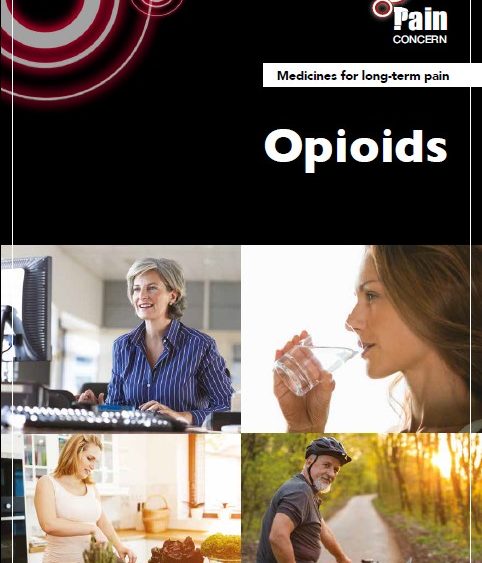
Opioids are a group of medicines that come from the extract of poppy seeds or other medicines that work in the same way. This leaflet by Dr Roger Knaggs explains all about their uses, including the benefits and risks associated with their use.

Includes

Types
Before taking
Side effects
What can and can’t I do while on opioids?

Peer Support. Join the community

“Having chronic pain is very lonely.”

Join the community

Subscribe to Pain Matters

Everything you need to know about how to live with chronic pain

Subscribe


In pain? Don’t understand what’s happening?

“Having someone to help you prepare for your life through pain”

Our Pain Education Sessions

Fundraise for Pain Concern

Help us to help others

Fundraise


This week, from Wednesday 12th October – Thursday 20th October is official Bone and Joint Week 2022. In order to raise awareness of bone and joint conditions, Pain Concern have worked with ARMA (Arthritis and Musculoskeletal Alliance) to deliver informative content throughout this week.

To take a look at the great work and case studies ARMA are sharing as part of this week, click here to visit their website!

Also, as part of this important week, here are some of our own resources on musculoskeletal conditions:

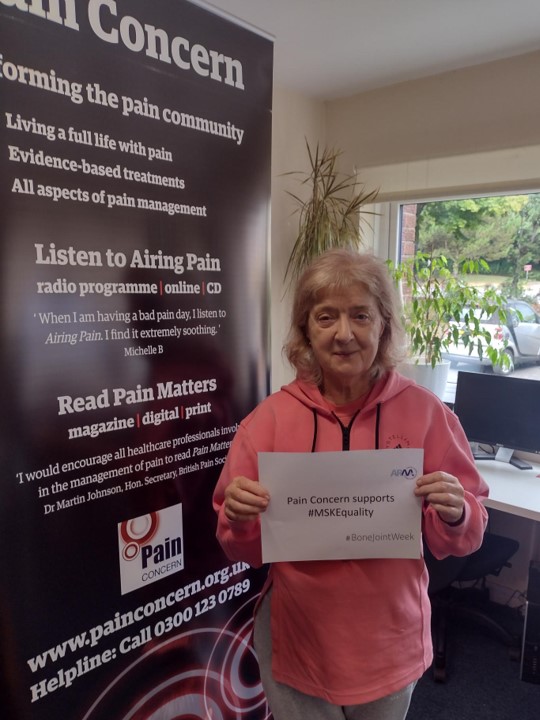
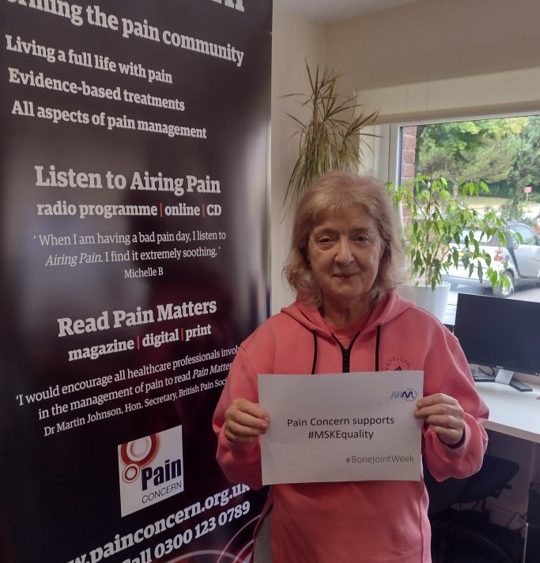
Pain Concern CEO Heather Wallace shows support of musculoskeletal equality
Pain Concern CEO Heather Wallace

Peer Support. Join the community

“Having chronic pain is very lonely.”

Join the community

Subscribe to Pain Matters

Everything you need to know about how to live with chronic pain

Subscribe


In pain? Don’t understand what’s happening?

“Having someone to help you prepare for your life through pain”

Our Pain Education Sessions

Fundraise for Pain Concern

Help us to help others

Fundraise


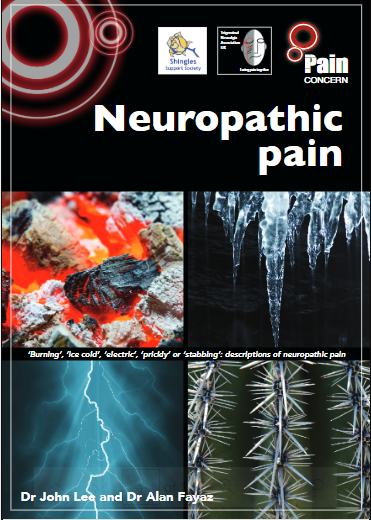
What is neuropathic pain? What causes it and how can it be managed? Pain specialists Dr John Lee and Dr Alan Fayaz explain the condition and provide information on the treatment options available.

Includes

Causes
Medications
Treatments
Understanding neuropathic pain

Peer Support. Join the community

“Having chronic pain is very lonely.”

Join the community

Subscribe to Pain Matters

Everything you need to know about how to live with chronic pain

Subscribe


In pain? Don’t understand what’s happening?

“Having someone to help you prepare for your life through pain”

Our Pain Education Sessions

Fundraise for Pain Concern

Help us to help others

Fundraise


Funded by The RS MacDonald Charitable Trust and the Stafford Trust.

Pain Concern have produced a selection of key resources about shingles, post-herpetic neuralgia and pain associated with shingles. Just over a year ago in August 2021, we released an Airing Pain podcast programme – #129 ‘Shingles & PHN (Post-herpetic Neuralgia). Alongside the facial pain team at Eastman Dental Hospital in London, we produced an issue of Pain Matters magazine titled Face the Pain.

Now, as we approach winter 2022, we are releasing two additional publications on the topic. Our Shingles Vaccination Information Leaflet and Shingles Vaccine Hesitancy and Post-herpetic Neuralgia article have both been co-badged by the Shingles Support Society and have received the prestigious Crystal Mark accreditation from the Plain English Campaign.

Pain Concern CEO Heather Wallace receives shingles vaccination

Heather Wallace, CEO of Pain Concern, photographed receiving her shingles vaccination
5th October 2022

‘Around one in four of us will get shingles during our lifetime and, if we live to eighty that statistic rises to one in two of us. Shingles is common and presents a high risk for developing long-term pain. If you are in the eligible group, please get vaccinated.

GP, administering vaccination

Shingles, post-herpetic neuralgia (PHN) and pain resources:


Shingles vaccination information leaflet

Once you download or open the below PDF you can view,
scroll up or down and zoom in or out of this file.

Shingles vaccine hesitancy and PHN (post-herpetic Neuralgia) by Mick Serpell

Once you download or open the below PDF you can view,
scroll up or down and zoom in or out of this file.

Airing Pain 129: Shingles & Post-herpetic Neuralgia (PHN)

Or listen on Spotify, Apple Podcasts, Google Podcasts, Deezer and more.

Pain Matters 77: Face the Pain

Front cover of Pain Matters issue 77
Click on the front cover!

When you have pain in your face, who do you go to see about it? The dentist might be your first port of call, but what happens if the problem is not dental? The Facial Pain Team, based at the Eastman Dental Hospital in London, have taken the reins for this issue. The multidisciplinary service they provide is the  largest and most comprehensive of its kind in the UK.

We are delighted to have this team, who were runners up in the Clinical Leadership Team of the Year category at the 2019 BMJ Clinical Excellence Awards, on board. In this issue, they explain all about how pain in the jaw, mouth and surrounding nerves differs from other types of pain, and explore the different treatment options available.

Click here to purchase

Crystal Mark - clarity approved by Plain English Campaign
Shingles Vaccination Information Leaflet
Crystal Mark - clarity approved by Plain English Campaign
Shingles Vaccine Hesitancy and Post-herpetic Neuralgia
shingles support society logo

Peer Support. Join the community

“Having chronic pain is very lonely.”

Join the community

Subscribe to Pain Matters

Everything you need to know about how to live with chronic pain

Subscribe


In pain? Don’t understand what’s happening?

“Having someone to help you prepare for your life through pain”

Our Pain Education Sessions

Fundraise for Pain Concern

Help us to help others

Fundraise


We are pleased to share the North British Pain Association Autumn Scientific Meeting 2022 Poster Prize Winner Cassandra MacGregor’s poster: An Ecosystem of Accepting Life with Chronic Pain: A Meta-ethnography. View the poster in full below.

Cassandra’s MacGregor and her PhD team’s poster An Ecosystem of Accepting Life with Chronic Pain: A Meta-ethnography was chosen not just for its aesthetic qualities but also its clinical relevance to contemporary pain management. It highlights the importance of language and meaning, and the fluctuating state of acceptance. We hope that Cassandra will be able to tell us more about her work at the next North British Pain Association meeting.
Sigrun Groves-Raines, Team Lead Pain Management Physiotherapist, Falkirk Community Hospital.

Peer Support. Join the community

“Having chronic pain is very lonely.”

Join the community

Subscribe to Pain Matters

Everything you need to know about how to live with chronic pain

Subscribe


In pain? Don’t understand what’s happening?

“Having someone to help you prepare for your life through pain”

Our Pain Education Sessions

Fundraise for Pain Concern

Help us to help others

Fundraise


To manage the symptoms of long-term pain and long COVID.

We are thrilled to announce that the latest episode of the Airing Pain podcast is out now! Click here to listen to the programme now. To accompany the new programme, we are publishing an exclusive article which will be included in the upcoming issue of Pain Matters. This article was written by GP and Airing Pain interviewee Dr Rupa Joshi.

Dr Rupa Joshi is a GP Partner at Woodley Centre Surgery, Berkshire, England. She is also co-clinical director of Wokingham North Primary Care Network and workforce lead for Berkshire West PCNs. Dr Joshi has a keen interest in Quality Improvement, she is primary care improvement clinical advisor for the general practice transformation programme and is a lifestyle medic and coach.

Peer Support. Join the community

“Having chronic pain is very lonely.”

Join the community

Subscribe to Pain Matters

Everything you need to know about how to live with chronic pain

Subscribe


In pain? Don’t understand what’s happening?

“Having someone to help you prepare for your life through pain”

Our Pain Education Sessions

Fundraise for Pain Concern

Help us to help others

Fundraise


First broadcast 27TH September 2022.

How the symptoms of long COVID are being managed using group consultations and the many things long COVID has in common with other long-term conditions.

To listen to the programme, please click here.

Paul Evans: At the end of July 2022, an estimated two million people in private households in the UK, that’s over 3% of the population, were experiencing self-reported long COVID. With the highest percentages in Scotland and Northern Ireland and the lowest in Wales living with this potentially devastating legacy of their COVID-19 infection.

In this edition of Airing Pain, we’ll be looking at how long COVID is treated and how an innovative scheme developed for the management of other long-term conditions is now being used for the management of long COVID. So, at the time of recording this edition of Airing Pain in September 2022, what do clinicians know about this new disease, and what can be learned from established recommended treatments for chronic pain conditions such as fibromyalgia?

Dr Deepak Ravindran is Consultant in Pain Medicine working at the Royal Berkshire NHS Foundation Trust in Reading. He’s the clinical lead for the pain medicine service in the secondary care hospital. He helped set up and leads the community pain service for Berkshire, and more recently, its long COVID service.

Deepak Ravindran: Right now, becauselong COVID is a syndrome, you know so many organ systems are affected and so many symptoms are there. We are making use of the existing knowledge and the existing symptom management techniques, but putting it together in a programme fashion, in a way that we can safely deliver it to patients who are struggling with this. We can’t expect them to go to six different doctors or six different therapists in five different places to get seven different drugs. So, what a lot of clinics, and there are 90 such long COVID clinics in England, and they do have links with pain clinics, they are starting to develop links with other pain clinics and other specialities. Ours is probably unique in the sense that we are the first and still the only pain clinic to actually lead on the long COVID clinic as well.

So, what we are doing is taking that understanding of pain management programmes that we give for persistent pain patients, where we are able to provide information about many things in an integrated fashion. We are taking that same base model and then trying to apply it locally for our patients. So, what does that look like in actual practise? For example, let’s take the example of maybe a forty-year-old woman who has got long COVID. Her typical symptoms would be pain, would be fatigue, would be brain fog, she would have chest pain, and shortness of breath along with palpitations, she would have stomach bloating, and she would have itchy skin, or sometimes a frequency to get more infections because immune system is not playing well, her dietary changes would be there. So, if this is a typical set of symptoms and she gets post exertional tiredness with any kind of activity, we speak to the cardiologists, and we are now comfortable in saying if there are palpitations or shortness of breath or heart related issues, we can investigate for that, and if there are major structural issues ruled out, we can think about medications that have been used for heart rate control, we can prescribe that, so that’s one thing we can look after.

Similarly, for shortness of breath, we know that in previous times inhalers of certain kinds, steroid inhalers could be given, so we use that as a prescription there. We may have techniques for pain, so there are some nerve pain medications we can trial, so we could give medications as one go, as I support with. We can teach them interventions to retrain their breathing system, so that is a way of almost retraining the nervous system that controls the heart rate and breathing, and give them relaxation techniques or different ways of breathing, and we work with research projects to bring that together.

You may have symptoms of the GI gastrointestinal – tummy symptoms. There is a suggestion that giving simple things like antihistamines can sometimes calm some parts of the immune system down, and so we can make suggestions of that to the GPs to trial. All these are relatively low cost, easy to do familiar techniques that GPs and doctors are familiar with so there isn’t a harm in giving these for the patients. These are not experimental technologies, so it’s safe to do that for patients, and then we combine it with giving them some information about pacing strategies, understanding how to pace your activities, so that you live within that energy envelope, we give them information about sleep techniques, nutrition is something very interesting because one thing we realise with fatigue management is the way I have been taught, and this is something I have learnt myself from my therapists is apparently the virus can affect the energy factories in the cell, it happens in persistent pain patients as well fibromyalgia patients where fatigue occurs.

So, the energy factories in the cells are impacted such that, if you think of us as a mobile phone that can get charged to 100%, when your energy factories in your cells are affected, it is just like the battery capacity just can’t charge to 100%, so you are always left with being charged to 70%. And so, the reframe we have to have is, if all we had was getting up a seventy percent battery in our day, how are we going to spread our activities, such that we live within that energy envelope of 70%. And to have that conversation with patients, to have that discussion with them, to almost increase them and coach them to think about that capacity in a different way. That’s a conversation we’ve had to have our own training with, that’s been the learning we are taking back to our pain management programmes of how to deliver information about pacing.

And then, when we do a programme, we are able to combine this, so that’s what we do in our programme at the Royal Berks hospital. It’s what our community partners are able to deliver, that management of long COVID and all these symptoms together, and that’s what our colleagues in primary care are also able to bring that to the primary care in the same way, so we’ve tried to replicate this and not just keep it in a secondary care specialised setting, but actually make it easier to give it for patients rather than making them wait long.

Evans: Dr Deepak Ravindran. Well, this all comes together in an innovative programme in which consultations are held with groups of patients, rather than on an individual basis. And rather than with a single clinician, say, a GP, sessions are taken by different members of a multi-discipline team of clinicians and therapists.

Dr Rupa Joshi, a driving force of the group consultation initiative, is a GP at the Woodley Centre Surgery near Reading in Berkshire.

Dr Rupa Joshi: I started setting up the group consultations back in 2017 as face-to-face pre-pandemic, and it is really because what I was finding with patients was that the ten-minute appointment just wasn’t enough. There was so much more in-depth discussion that needed to be had, and we had our frequent attenders, they would be coming back again and again because we weren’t really answering the question, and the question was really the personalised care agenda, what matters to you, and I think we were really medicalising things, when perhaps patients needed more, they needed a holistic approach.

So, a group consultation is essentially having a consultation with a patient one to one, but in front of a group of other patients. So, other patients can then learn, and it may be questions they’d never even thought about. It may be, ‘oh I always wanted to ask that but never really asked’, and what we find when we do our group consultations is they are not really very medical. They are more about coping with the illness and getting advice from other patients, so it’s not all about questions and answers. It’s about bringing in the rest of the group and saying, ‘Oh that sounds really interesting, what do you do about that kind of problem, how do you manage it?’, and then the patients start sharing their own experiences, their own stories, their own support, and you end up with a support network, where they often speak to each other outside the sessions and take each other’s numbers.

We had one group consultation where somebody said, ‘I would really love to start going swimming again – I think that would help my exercise’, and then two other patients said, ‘oh I’ll come with you’, and then immediately you’ve got a group where people encourage each other and you go because you don’t want to let other people down and you want to help them with their health conditions.

Evans: I presume it is not just one session, it is a series of sessions?

Joshi: Yes, it depends on the condition that you are managing, but particularly with these kind of conditions, one session is just not enough. We normally look at six or seven, and we like to have a group maybe every two weeks or monthly to get the momentum going. And then maybe we might meet up, maybe three months later, just to check in, or a month later. We ask the group, ‘What is it you want to talk about?’, ‘How often do you want to meet?’, and we go by the group and, ‘When would you like to meet again?’, just to touch base, and in those touch base sessions we don’t even have to be here, maybe the patients can organise it for themselves.

Ravindran: This was very much an integrated piece of work as far as our area was concerned. We were lucky that our commissioners came to us and said they have some funding available to try some pilots on how to provide personalised care. How can we reach patients quicker and closer to their home? And so, we had this wonderful GP colleague of ours, Dr Joshi, who was already doing this kind of technique called ‘group consultations’. Even before COVID happened, she had a team in her practice who were supporting chronic pain patients, diabetes patients, by using this technique of group consultations.

It meant that she along with a counsellor, and a pharmacist and a nutritionist, were able to support these patients in the practice giving them access to information earlier, and my role, at those times, was to work with the primary care colleagues and actually talk to the patients as well and say that is doesn’t mean that patients aren’t being referred into secondary care, or should not be referred in as a cost cutting measure like some patients often think about it, like why isn’t the GP referring them into hospital if they need it. This was more of a combined working strategy, wherein these patients might be waiting four to six months to see us in secondary care, but if I went out to primary care and I had this forum where I could reach ten or fifteen patients and tell them that if they needed medication advice, that could be provided. If they needed nutrition advice, if they needed some advice on breathing techniques, relaxation techniques, rather than waiting ten months to come and see us, they could get it within one month and they could get all of that stuff that they need, and if they needed some medication advice, then obviously the GP could discuss with me and between both us we would still have a plan that’s faster and efficient for the patients.

Joshi: We have a facilitator, a non-doctor, and then we have a clinician who is an expert in that field and we also have plenty of other clinicians that come in, so we’ve got a health and well-being coach, care coordinators, mental health practitioners, personal trainer, diabetic nurse, pharmacists, we utilise the skills of everybody in our team, and invite them along for certain sessions. So, when we did menopause, our menopause doctor, women’s health doctor came in and helped facilitate that session, but it’s not even the control, it’s all of us together. It’s a group, and the clinician learns as much as the patients do, because I felt quite humbled with the chronic pain clinic, because I really understood how it must be for a patient with their day-to-day activities and how they cope, and it was a real eye opener for me, so everybody learns, everybody has the control within the group.

Evans: So, you are doing these group consultations for long COVID patients. How might that differ from doing it, say, for diabetes patients or COPD patients?

Joshi: With those kinds of conditions, you have a management plan in place, you know? You have your inhalers, you have your medication, you have lifestyle factors and nutrition, and you sort of know what you are dealing with, whereas with long COVID, each patient has a different set of symptoms. Some of them might suffer with the fatigue more than the headaches, some might be suffering with the mental health side of things. Because it is a multi-system illness, everybody is different.

Evans: With all those differences, are there common things that can be addressed?

Joshi: Yes, it’s the personalised care agenda. It’s asking patients, ‘What matters to you?’, and developing different systems of support. So, we designed our long COVID clinic talking to the hospital, reading up, going on websites, finding out what the most common themes that patients are talking through, and we developed our programme of support. We asked Dr Ravindranto come in, to take our first session and called it: The Science of Long COVID, and we talked about the inflammatory processes that go on, why they go on, why do you have these symptoms, and what can we do to help. And for some of our patients, it was the first time they’ve met other people with long COVID, so they had felt what’s happening to my body, what’s happening to me, I don’t understand this.

Ravindran: Our present understanding and this is something that has evolved with time. Initially we thought that people who’ve had very severe COVID and who needed hospital admission might struggle with the symptoms of the impact the viral infection had on their lungs, or on their heart, or on their muscles, and we thought that a lot of people with post COVID issues would be those that needed hospitalisation. We’ve now changed in the two years that we’ve lived with COVID now – we have seen that long COVID is now a new long-term condition. This is a condition that is predominately affecting people who have never been admitted to hospital, but very well may have suffered a COVID infection that they managed at home. It is a syndrome, meaning that it’s not just confined to one or two symptoms. It is actually a condition that affects multiple organ systems and it can have multiple symptoms. So, one study from last year suggested that long COVID patients may have as many as ten organ systems affected, and they can report as many as two hundred symptoms affecting various parts of their bodies, and realistically that is what we are looking at: a new long-term condition characterised by multiple symptoms involvement and there is no association with how severe the acute infection was.

Evans: So, it falls into the chronic or persistent pain bracket, really.

Ravindran: It is one of those conditions where persistent pain is one of the most common symptoms that patients present with. Widespread aches and pains are a very common symptom, alongside fatigue which is again a very common symptom, then brain fog as well as new onset mood changes: anxiety and depression, then heart related problems likepalpitations, shortness of breath, so these are the most common symptoms. Of course less commonly reported, but equally present, are skin issues, new onset stomach problems like nausea, bloating, weight gain of some kind, loss of appetite, loss of taste and smell, so these are all the other things that have been reported, but pain and fatigue are two of the most common symptoms.

Evans: Dr Deepak Ravindran. Caroline Mole has had COVID three times, and she’s a participant in the group consultation sessions.

Caroline Mole: I didn’t know what it was, you know, I’m a woman of a certain age, so you know, I guess there is certain things that you sort of put down to menopause or anything, and I realise that you know the chronic fatigue that I was feeling, the pain that I was in, I was vomiting quite regularly, that I probably phoned the doctors and it was at that point and I did a little bit of research myself online to see what long COVID looked like, just in case, and it sort of seemed to correlate with some of the things that were online, so I phoned the doctor and she said yea I think you are right, I think this is what it is.

Evans: How has it impacted on your life?

Mole: I have always been really energetic before, always been very fit and healthy. It’s impacted my job, I’ve got quite a, what I would say is a, high-powered job and day to day that’s been difficult, you know, just the brain fog maybe. Getting out of bed some mornings takes me half an hour sometimes because of the joint pain and things. The embarrassment of vomiting at work and having to stop a lot of the energetic stuff that I have always done. Even walking the dog has had its issues because he is a terrier, and if he is pulling a bit and I’ve got pain in my wrist joints, sometimes I can’t even lift food out of the fridge to take it out and put it into an oven, because I live on my own, that can be quite difficult.

Ravindran: I have been looking after patients with chronic pain, fibromyalgia, chronic fatigue, ME like symptoms for a long time now, almost twenty years. So, when COVID happened, and I got a particularly nasty episode of the original variant of the virus back in March 2020, and I struggled. I struggled for almost two weeks and I kept having symptoms for almost six or seven weeks before I fully recovered. And, I realised actually this is what my patients of fibromyalgia or chronic pain might be feeling every day of their lives, because for those first two weeks I was completely shattered. Just the sheer act of getting up and walking fifteen feet across to the bathroom and back would leave me breathless, in pain and tired, and I felt that there would be these kind of symptoms, and this group of patients, who would be having such a presence after their acute episode.

In fact, the previous epidemics that have happened in China, with the SARS epidemic in 2009, and the ones that happened in Hong Kong and Canada, there were studies, but much smaller studies, reporting that patients could struggle for two or three years after a SARS virus at that time. So, to me, if I felt very likely that after COVID, as well, we would have a big group of patients who might be struggling with pain and fatigue and other symptoms – and I’m very glad that, actually, in the UK, the government and the NHS took this really proactive step of releasing funding to set up a long COVID clinic because it felt that all the experience that I had of looking after patients with pain, fatigue and other symptoms – because, for example, in a condition like fibromyalgia, they do have stomach issues, they do have brain fog, they have fatigue, they do have issues of eye symptoms of blurring or tiredness, and all of them have a common factor that the nervous and immune system can be impacted, and stay impacted for a long time.

And we were already used to managing these patients in our pain clinics with pain management programmes, with the way we supported our patients, so it meant that when the funding for the long COVID clinics came in, our area here, my specialist pain physiotherapist, my fatigue physiotherapist here, my psychologist and myself, we felt fairly confident that, yes, we could look after a lot of these patients and provide them a more integrated experience based model for a lot of their symptoms, and for some of their symptoms like heart rate related issues or breathing related issues, we had really great colleagues that we could sort of seek the help of and get some experience from some of them, and as it proved over the last two years once the respiratory colleagues had done their X-rays or scans, most of them were normal, 99% of chest X-rays or lung MRIs or brain scans or heart scans, all came back as normal. And they felt that this was because the nervous system was being impacted by the virus, and so it meant that we were able to support them with a lot of techniques that we had gained experience from in our previous work with fibromyalgia, chronic fatigue, ME and persistent pain patients.

Evans: What I find very interesting about that is that I have fibromyalgia and when the long COVID reports came out on television my wife says, ‘that’s you Paul, that’s you Paul’, and I say, ‘no, no, no, same symptoms but there is organ damage with long COVID’. I’m wrong am I?

Ravindran: The research certainly shows that in some people, there seems to be a microscopic evidence of organ damage. So, there were a couple of studies that showed that there was lung changes when they did some really fancy form of MRI scanning, that there were possibly some brain changes in some patients who had very bad brain fog, and now we are having some research that is showing that in some people the immune complexes might be causing some clots – micro clots as their calling it in the social media and in the research papers, and there is us leaning towards saying that in many people who are struggling significantly there may be an element of vasculitis, meaning that the blood vessels could be affected and damaged by the viral infection.

It’s two ways to look at it Paul. It’s possible there is a group of people in which these kind of structural changes are happening, but the researchers themselves still don’t know what the implications of that are. What does that mean for treatment because we don’t have a drug or molecule or treatment, as such, that is evidence based and sustainable. The good side is, if it does turn out that the research into long COVID – now $1.4 Billion of research money has been promised for long COVID in the US, up to 35 to 40 million pounds of research money has been looked into the UK research projects there – and if it does turn out in the next two to five years, we have a molecule or a treatment or some intervention, then I think that’s a boon and a potential opportunity for existing fibromyalgia and chronic fatigue and ME patients because there are so many similarities we are noticing between these conditions. Why can’t we offer those treatments for the fibromyalgia patients, and maybe we can turn back and tell a lot of our fibromyalgia and chronic fatigue patients that, yes, now that we have these investigations which showed some structural damage, maybe you had the same in your case as well, so it’s a possibility.

Evans: Dr Deepak Ravindran. Caroline Mole again.

Mole: I’ve had a bit of a flair up recently, so I normally cook absolutely everything from scratch, but I thought to myself I got to make my life a bit easier, so I’ve just bought some ready meals to just go on with.

Evans: How did the flair up really affect you? Was it just a magnification of all the symptoms?

Mole: This time I’ve got a little bit of a different, I’ve got a real tightness in my chest this time, which I haven’t had before, and I need to speak to the doctor to make sure it is not something untoward, but yeah, the aching joints just, I mean I call it a flair up, they’re there pretty much all the time, but you learn to live with it, it’s a lot more painful. The chronic fatigue is something you can’t really explain to someone unless they’ve had it. I never knew and I probably would have thought, well, that’s tiredness – until you experience it, and you know you can be in the middle of a conversation, like this, and all of a sudden, your words can’t come out, and you need to just lay your head on the table and shut your eyes for a bit and things, so…

Evans: I have discussions with people about fatigue. All I can say is it is not tiredness, it’s like being hit by a torpedo.

Mole: That’s exactly it, and you know I can be at home and my family will have come to visit and all of a sudden, I don’t realise but I’m fast asleep. You can start to feel it where your words start to slur, and as you say it does, it just feels like you’ve been battered and that’s quite difficult. I think, when you’ve been quite energetic in life, and I love my job, it takes me in lots of different directions and sometimes you just sort of feel, wow, I’ve got to get through a day, and that’s horrible to feel like you’ve got to get through a day, isn’t it? It’s a real negative feeling and I like to think I’m quite a positive person, so I have to try and turn that negative thought into a positive, and say, ‘Actually, I can get through today.’

Evans: That’s Caroline Mole who is a patient in the long COVID group consultation programme. Gregg Scott is a Cognitive Behaviour Therapist who works for Talking Therapies, a psychological service of the Berkshire Healthcare NHS Foundation Trust.

Gregg Scott: Talking Therapies has been an evolving psychological service since 2008. We started off seeing a range of conditions, primarily anxiety and depression, including health anxiety, which kind of ties into how I ended working with Woodley and the team here. So, from 2017, there was a formal training started in long-term conditions – the jargon word. The basic conditions were diabetes, heart conditions, COPD. But as a team, we realised we had a very narrow focus, and that when we started to open our focus to include the physical and the psychological, and that more of a bio-psycho-social model, then we could start to see a relevance for what we were already doing. But, we also then saw that one of the difficulties is that if you have had a long-term pain condition, for example, you might not want to hear that you’ve got anxiety and that could be treated in a mental health service, even though it’s a primary care mental health service. So, I’ve been in Woodley and Parkside, this site we’re on since 2017, initially as a therapist, but working with Rupa, got very quickly involved with the consultation groups and then they became the virtual consultation groups.

But I guess the real thing for us, in terms of a response, is that we’ve been able to invite a group of people that we know have had long COVID, and some are recovering and some are going in, some have been diagnosed, into a virtual space, which by definition is safe in terms of not being re-infected, but we’ve also been able to bring people together with a range of professionals and the chance to ask a range of questions but also to hear other peoples’ experience. It’s been a real opportunity to have something that could touch a large group of people in an unobtrusive way into where they are living at home or working from home. So speaking with my Talking Therapies, head on, really wanted people to understand the things that we call anxieties and depressions are very common conditions. They’re standard issue human conditions, they’re not something that is wrong with you. If you’ve got those responses to your life circumstances it’s normal and in some cases can be very healthy. So, getting people together and having a chance to discuss anxiety in the context, as opposed to hoping people might refer in to a separate service, or hoping people will understand that this is where the long COVID lies, and this is where the anxiety lies, or this is where your low mood is hitting in with your fatigue, etc. So, it has been an opportunity really to try and start those conversations with people, initially, in a kind of very friendly environment.

Fatema Hafizji: My name is Fatema Hafizji. I am a Health and Wellbeing Coach and I work for the Wokingham North Primary Care Network. So, we help to self-empower patients to get more control, get back in the driver’s seat of their health and actually focus on what matters to them when it comes to their own health, so really asking those exploratory types of questions and very often we have a really lovely conversation about where their health is currently at and where they’d like to go with it. What we tend to do as health and well-being coaches is really get to the specifics, so looking at SMART goals. People may have heard of that term, so really having a realistic goal.

Evans: SMART remind me is… It’s Specific…

Hafizji: Measurable.

Evans: Measurable.

Hafizji: Achievable.

Evans: Achievable. Realistic.

Hafizji: Realistic.

Evans: And…

Hafizji: Timely.

Evans: And timely.

Hafizji: Yeah.

Evans: So, if someone, say if I came to you and said, ‘Listen, I’ve been unwell, ill, feeling rotten for donkeys’ years, I want to climb Everest.’

Hafizji: [laughs]

Evans: And that’s what my goal is – I want to climb Everest.

Hafizji: Yeah.

Evans: That is not realistic.

Hafizji: Yes, so I will say oh well that’s lovely to hear that you’d like to climb Mount Everest. Is there anything that you’ve set in place to help you to achieve that goal? And very often when I ask that question, it says, ‘oh that’s interesting, I haven’t really thought about that’, and then we say, ‘oh, but actually, that is my long-term goal’, and then it kind of opens the doors to setting short-term goals to really getting to that goal of climbing Mount Everest. It might be a case of training, so you know going on walks and things, so the patient might say, ‘Oh, actually, yes.’ Going on walks is not something I would say and put those words, if you like, into the patients [laughs] head, if you like, but it would be a case of the patient actually coming up with the answers themselves and saying, ‘Oh, actually, this is how I want to start.’ And it would very much be around things like habit attaching with a lifestyle goal that we would want to achieve. It would be attaching whatever change we would want to make, attaching it to an existing habit. So, for example, if it was about fitness to help them to achieve climbing Mount Everest, it could be a case of their brushing their teeth, and after brushing their teeth they’re doing two push-ups against the wall.

Evans: How do people react to being brought back from that huge goal to getting out of bed in the morning?

Hafizji: Yeah, that’s a really good question. So, when a patient is coming to see a health and wellbeing coach, they have taken the step and they know that they want the help. So, when it comes to taking it back and how they react, from my experience so far, it’s kind of, I want to say a light bulb moment, forgive the cliché, but it is. It really is that light bulb moment. And sometimes just having that reminder, even, and taking that step back because as you mentioned that example of Mount Everest, it can be huge in a person, and say, ‘Oh my gosh that is an amazing goal that I want to achieve but how can I even get there?’, if it is something that they are struggling with, pain or anything like that. But, it really is about having that positive talk around OK that’s wonderful, but how can we break that amazing long-term goal into smaller chunks, so that eventually over time that person can achieve it. So I think when those conversations tend to happen, it really helps patients to kind of think positively, and say what’s manageable for them, what can they do, especially if they are in pain. What can they do currently to help them achieve whatever goal it is that they want to achieve.

Kerry Doe: My name’s Kerry Doe. I’m a personal trainer with the long COVID patients. I work on the physical activity, so going back to exercise, returning to exercise after long COVID, or during, you know, while suffering with long COVID. So, in that session we talk more about how people are coping with the current levels of exercise that they are doing and how they can go back to exercise, and lots of the patients when we first speak to them are struggling some days to do anything. They are not able to work, they can’t exercise at all. It’s a real stripping back, lots of them did lots of exercise before, ran, did biking, was swimming, you know, very active people, so it’s very hard for them to go right back to doing ten minutes’ walk a day. They really have to strip completely back and do very slow increases but doing regular exercise. It’s almost retraining again, retraining the body to exercise to be able to cope with exercising and exertion.

Evans: It’s a real issue with mindset as well, isn’t it?

Doe: Absolutely.

Evans: What is exercise? One person’s exercise will be doing a 10K run.

Doe: Yeah.

Evans: Another person’s exercise will be walking to the shops or even getting out of bed in the morning.

Doe: Yeah.

Evans: But when those people who’ve been used to doing the 10K run are reduced to the bottom end, I mean, how do you change a mindset, how do you get over that?

Doe: That’s one of the most difficult things and it’s really hard for people to accept, and there is an element of acceptance there that, for now, they fight against it. And what happens then, is that they overexert, and especially with long COVID, pushing yourself too much then will knock you out for two, three, four days. So, one of the first things we say, is when you’re starting to come back to exercise, even right at the beginning, you need to monitor during and then after, but also the next day. That I often encourage people to keep a movement diary which really, really helps. Not only just to see when they’ve pushed too much but also it might seem silly doing an extra minute walk a day, if that’s what we are beginning with. It varies, but it’s very small increments, but over the course of a month, that might be the difference between doing a ten minute walk or a thirty minute walk and actually having that diary and being able to look back and say, ‘This month I can walk for thirty minutes, and it’s been slow, and it’s slower than I’d like, but actually last month I could only walk for five minutes.’ So being able to see that difference makes a difference, and then people are able to accept that they’re going slower because they can see progress.

Evans: But pacing is very, very difficult.

Doe: Yeah.

Evans: Because when you feel good…

Doe: You want to push yourself.

Evans: You want to do everything.

Doe: That’s the real difficulty, I think, and a lot of the patients said that once they were able to say no to things, social things, that was a big thing for a lot of people, they felt pressure with family and work and different parts of their lives, and being able to say the best thing for me is not to do that. Once they were able to do that, I think it changes a lot for people. They are putting themselves first, and lots of them are parents or they’ve got responsibilities with family and friends and things, and they’re having to pull back and look after themselves as well. But once you see the benefit – it’s starting, I think, getting started.

But also I think working with the group clinics, especially with the long COVID patients, them having people that are in the same situation and being able to talk to other people that felt the same was huge. And a lot of the sessions were very emotional, especially the early sessions because patients had felt that they were on their own, not so much early on, but some of the later patients knew a lot of people that had had COVID and they were back at work and they had recovered. It’s difficult to accept. There’s not always a reason why it’s happened. That was difficult for people and they felt that colleagues, and family even, expected them to be better. And they had that pressure there that I do need to push myself because everybody is expecting me to be better, so them seeing other people that felt the same way, had the same symptoms. I think that was one of the most important things about the clinic actually.

Saira Mirza: My name is Saira Mirza, and I am an Advanced Physiotherapy Practitioner for long COVID and pain management.

Evans: So, what’s the physiotherapist’s role in the management of people with long COVID?

Mirza: We help to create a management plan and strategies to help them have more control over this. For example, with long COVID, some of the main aspects that people struggle with are the shortness of breath, and it is very normal with this long COVID that people develop this abnormal breathing pattern disorder where you end up breathing into your mouth instead of through the nose, and that causes a whole array of different complications. So, some of the treatments that we do are trying to get back to that normal breathing pattern so it’s a lot of breathing exercises, it’s a lot of let’s see if we can relax the system so that your diaphragm, your main breathing muscle, is working to the best that it can do to reduce the symptoms associated with that. And sometimes it’s not always the shortness of breath that people experience with that – it can be a chronic cough, it can have effects on your fatigue, so it does have lots of other symptoms.

Evans: You may have noticed that as soon as I start talking about breathing, I’ve stopped slouching and my head has gone forward. So, just explain how you would help my breathing?

Mirza: So when people have any sort of virus, so for example just the normal cold virus, we have those symptoms where ‘oh actually my nose is really stuffy and I can’t breathe through my nose, so I’m just going to breathe through the mouth’, and then our body corrects itself and it’s able to breathe in the normal way. With long COVID it has almost created this habit of breathing in through the mouth, so what we like to get people to do, is be in a nice really relaxed position For the majority that is lying on your back. Some people feel that lying on their back increases their coughing or shortness of breath. That’s fine. Just go into a nice relaxed position, and what we want to see is just you breathing as normally as you can, so when we are having this laboured breathing, as it were, sometimes you will find that your upper chest is rising a lot more than your abdomen, so that just lets us know that the accessory muscles, which are the muscles that assist with breathing are working a lot harder. These muscles also connect into the neck, so they are helping with the posture and they are helping with the neck movement. So, people might start to develop some neck tightness and as a result they can have headaches and so it kind of goes into this spiral, so if we can start to relax those muscles and focus on your abdomen that is getting us into the right position.

Ways that we can do this are almost having if you are in a seated position, sitting on your hands, so you’re stopping your shoulders rising up too much, and if you’re lying down, you can have your hands behind your head so you’re almost stabilising that, and you’re just making that diaphragm work a little bit more efficiently. Once we’ve kind of helped with that balance between these muscle groups, what we then want to see is if we can breathe in through our nose that little bit more. Now when you’re first doing it because it’s been such a long time that you’ve almost got used to breathing in through your mouth, it’s going to feel really unusual, you’re going to find that maybe you can’t take as many breaths through your nose as you used to. That is fine. This is a progression. What people tend to do is, they breathe in a lot through their nose. But taking that big deep breath can then introduce more coughing into the system. You can find where you’re taking so much through your nose that you start to feel a little bit dizzy, so it’s just a little bit too much if you are experiencing that. So, what you want to do is start to take some small breaths through your nose and then breathe out through your mouth, and you might only be able to do two or three of those at a time and then just go back to your relaxed breathing, and so, we are slowly introducing your breathing back to the way that we’re used to, to see if we can normalise it again. So, in some people, it can take quite a while to get back into that way of breathing. Others, they can pick it up a bit quicker, so don’t be disheartened if it does take a while. Don’t panic, you’re doing the right things, you just need a little more time to adapt to it. So, once we have done it in that nice relaxed position, whether that be lying or sitting, to make sure that we continue with this improved breathing, we want to change our position because as we are moving position to a more upright position that takes a bit more energy. It’s a bit more of an effort, so you are going to find that your breathing might be affected and you might also feel that your fatigue gets affected with it as well. So, if you are doing a lot of these breathing exercises, you might feel tired afterwards and again because of the connection that’s absolutely fine, so we are just building it up that way. The idea is that we change our position, so we go from sitting to standing, to doing some movements around the house, practicing this breathing exercise to try and progress it and build up your tolerance.

Evans: That’s Saira Mirza, Advanced Physiotherapist Practitioner for long COVID and pain management with the Berkshire Healthcare NHS Foundation Trust. Before we go on, I’ll just remind you that whilst we in Pain Concern believe information and opinions on Airing Pain are accurate and sound based the best judgements available, you should always consult your health professional on any matter relating to your health and wellbeing. They are the only people who know you and your circumstances and therefore the appropriate action to take on your behalf. Do check out Pain Concern’s website at: painconcern.org.uk, from where you can download all editions of Airing Pain and find a wealth of support and information material about living with and managing chronic pain. And from there, you can also get details on how to order Pain Matters magazine, and of course there will be more information about this edition Airing Pain on the management and treatments of long COVID and group consultations. Now it is important for us at Pain Concern to have your constructive comments about these podcasts, so that we know what we are doing is relevant and useful, and we want to know what we are doing well and maybe not so well, so do please leave your comments on whichever platform you are listening to this on, such as Apple Podcasts, Spotify, Plenty More and the Pain Concern website of course, and that’ll help us develop future editions of Airing Pain.

So back to the long COVID group consultations with Caroline Doe, Drs Rupa Joshi and Deepak Ravindran to end this edition of Airing Pain.

Doe: I remember talking at one and just being really emotional because all of a sudden you feel that you are not alone, because it’s not a visible illness is it? It’s not something that… and people are still learning about it. Just being able to have those conversations, I mean it was brilliant learning from all of the… and listening to all of the professionals. But the biggest thing that I got out of it was talking to others who were in the same situation and drawing on their experiences. And all of us were trying to draw on the positives of it, just so, ‘What did you do to make you feel that bit better?’ and being able to do that. I think that support group has really… did change things for me in a huge way.

Joshi: Every clinician has their area of expertise, so we’re really getting everything with the whole group listening in, so everyone’s learning and everyone’s sharing. And we learn as well as clinicians from our colleagues, from our mental health practitioner, from our personal trainer, because everybody’s got their niche of knowledge and skill and, so everybody learns, not just the patients. It should really be something that we roll out for everybody with long-term condition because it’s so powerful. A hundred percent of patients say they would chose it again, that they would recommend it to family and friends, so everybody really benefits from that approach.

Doe: It turned my life around at a very difficult time. A time when you’re trying to cope, with obviously schools were still open the whole time, so I was working throughout that time of lockdown of things, but when you’re not feeling well and you’re on your own and everything then builds doesn’t it? And you sort of think am I going mad, is this just a result of being stuck indoors all day or something? And the group just took that feeling of being alone in this illness, I suppose, or how you’re feeling a way, and it was really, really great.

Evans: Glass half empty people who don’t have long COVID, but have other conditions, that might think all this money is going into long COVID. Glass half full, all this money going into the long COVID, could, should help the management of all those other things.

Ravindran: Absolutely, that is my glass half full premise of looking at it, that every intervention and treatment strategy that comes out of our understanding of long COVID can be retrospectively applied, and I think should be applied or thought of for our existing fibromyalgia, chronic fatigue, ME and maybe other long-term post viral complications that many other patients are suffering from but we don’t know.

Evans: If you’re able to give advice to somebody with long COVID, what would you say?

Doe: I’ve really learnt to listen to my body, and if I have to say no that I can’t do something that’s not a failure, it’s a really big thing because you are actually listening to your body and I don’t think we do that enough.

End

This edition of Airing Pain has been funded by grants from the James Weir Foundation, the Hospital Saturday Fund and the Erskine Cunningham Hill Trust.

Transcribed by Owen Elias, edited by Amanda Gilmour.


More Information:

Peer Support. Join the community

“Having chronic pain is very lonely.”

Join the community

Subscribe to Pain Matters

Everything you need to know about how to live with chronic pain

Subscribe


In pain? Don’t understand what’s happening?

“Having someone to help you prepare for your life through pain”

Our Pain Education Sessions

Fundraise for Pain Concern

Help us to help others

Fundraise


A quality improvement initiative.

As part of Pain Awareness Month, and to mark the release of our new Airing Pain podcast programme: Sharing pain – how group consultations can help long COVID and other conditions, we are privileged to be able to share this study on virtual pain management programmes throughout the COVID-19 pandemic and consequent lockdowns.

Pain Concern works with pain management programmes throughout the country, and we have even produced an issue of our magazine Pain Matters on Managing Pain During the Coronavirus Pandemic.

Peer Support. Join the community

“Having chronic pain is very lonely.”

Join the community

Subscribe to Pain Matters

Everything you need to know about how to live with chronic pain

Subscribe


In pain? Don’t understand what’s happening?

“Having someone to help you prepare for your life through pain”

Our Pain Education Sessions

Fundraise for Pain Concern

Help us to help others

Fundraise


1 9 10 11 12 13 49